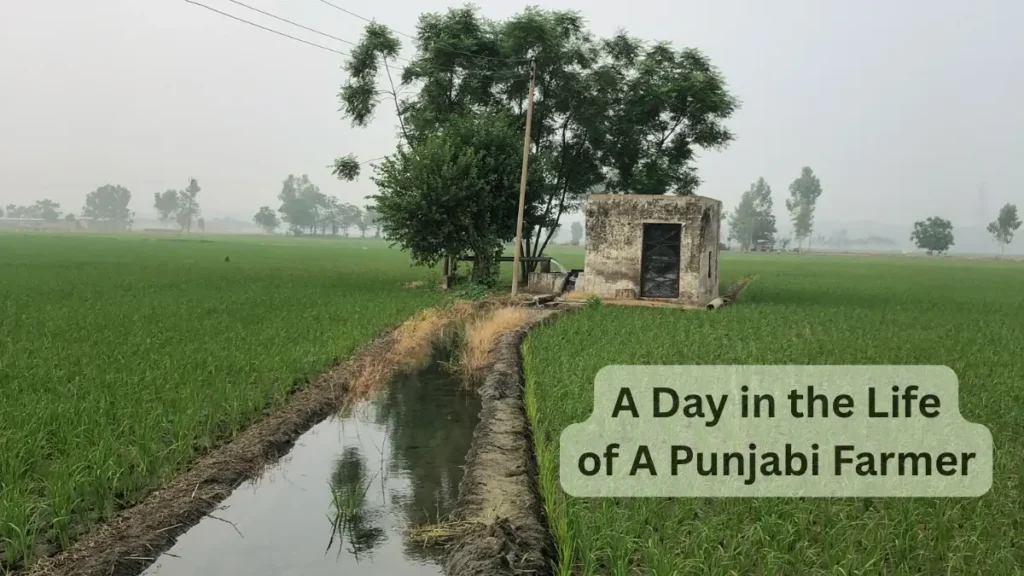
A Punjabi Village Farmer represents the heartbeat of Punjab’s culture, living a life rooted in tradition, hard work, and a deep connection to the land. In the lush green fields of Punjab, the daily routine of a Punjabi Village Farmer reflects dedication, discipline, and love for farming that sustains entire communities.
Early Morning Routine
The day of a Punjabi Village Farmer begins around 4 AM, long before sunrise. Morning prayers set a spiritual tone, followed by tending to cows and buffaloes—animals that play a vital role in village agriculture. Feeding livestock and collecting fresh milk are essential tasks that support both the household and income.
Preparing for the Day
After caring for the animals, the Village Farmer enjoys a hearty breakfast of parathas, butter, and lassi. Before heading out, he checks the weather and inspects crop conditions. These small decisions shape the success of the fields and reflect generations of farming wisdom.
Heading to the Fields
Armed with tools like a plow and sickle, the Punjabi Village Farmer walks or rides a bullock cart to the fields. These lands are more than property—they are a family legacy. Punjab’s fertile soil, known as the “breadbasket of India,” thrives under the care of farmers who treat the land with respect and pride.
Morning Farm Work
Once in the fields, the Punjabi Village Farmer begins plowing, preparing the soil for sowing. Seeds of wheat, rice, maize, or sugarcane are planted with precision. Irrigation follows, ensuring the crops receive the right amount of water to grow strong and healthy.
Mid-Morning Break
After hours of labor, the farmer rests under a shady tree, enjoying roti and pickles. This break allows the Village Farmer to connect with fellow farmers, exchange advice, and strengthen community bonds.
Continuing the Work
The work continues with weeding, pest control, and irrigation checks. These tasks are crucial for protecting the crops. A Punjabi Village Farmer pays close attention to every detail, ensuring the fields remain healthy and productive.
Lunch Break
Around noon, the farmer returns home for a simple yet nourishing lunch of dal, sabzi, and rice. A short rest on a charpai helps the Punjabi Village Farmer recover from the intense heat before returning to afternoon chores.
Afternoon Chores
Afternoons are dedicated to feeding livestock again, repairing tools, and preparing fodder. These tasks ensure that the Punjabi Village Farmer maintains a smooth farming routine and keeps the animals healthy.
Evening Farm Work
As the sun sets and the sky turns shades of orange and gold, harvesting begins. This is one of the most meaningful moments in the day for a Punjabi Village Farmer, because it represents the reward for weeks or months of hard work.
With steady hands and practiced skill, the farmer carefully cuts the ripe crops, making sure each bundle is handled gently to preserve its quality. The harvested grains or vegetables are gathered into neat piles before being transported to barns or granaries.
Here, the Punjabi Village Farmer sorts, cleans, and stores the produce with great care, protecting it from pests, moisture, and sudden weather changes. This attention to detail ensures that the family has food security for the coming months and that surplus crops can be sold in the market to support the household.
Harvest time is not just labor—it is a moment of pride, gratitude, and quiet celebration, marking another successful chapter in the farmer’s connection to the land.
Returning Home
After a long day in the fields, the Punjabi Village farmer returns home, tired but satisfied. Evening prayers are offered, giving thanks for the day’s work and asking for blessings for the days to come. This moment of reflection helps the farmer connect with the spiritual side of life, finding peace in the routine.
Family Time
Dinner is a cherished moment where the family gathers to share roti, sabzi, and stories from the day. This is the time when the home fills with warmth, laughter, and the comforting aroma of fresh food.
The Punjabi Village Farmer sits with his children and elders, discussing the challenges of the fields, the progress of the crops, and the lessons learned from the land.
Children listen with curiosity as their father explains how seasons change the soil, why certain crops grow better in specific months, and how to care for animals with patience and kindness.
These conversations are more than storytelling—they are a living classroom where values like hard work, respect for nature, and gratitude are passed down.
Evening Social Life
Village life in Punjab is vibrant, with a strong sense of community. After dinner, the farmer might join other villagers for a gathering. These social activities can include singing folk songs, dancing the bhangra, or simply chatting about the day’s events. Festivals are particularly lively, with everyone coming together to celebrate.
Preparing for Bed
Before sleeping, the farmer checks the livestock one last time, cleans tools, and plans the next day. For a Punjabi Village Farmer, farming is a cycle of devotion, discipline, and hope.
Irrigation is another key task. The farmer makes sure that the irrigation channels are clear and functioning properly, allowing water to flow freely to the crops. This attention to detail ensures that the crops have the best chance to thrive.
Conclusion
Being a Punjabi Village Farmer is more than an occupation—it is a way of life rooted in heritage, resilience, and love for the land. The work is demanding, but the rewards are profound. Every grain harvested carries the story of generations who have nurtured Punjab’s soil with pride.
FAQs: Punjabi Village Farmer
1. What crops do Punjabi farmers commonly grow?
Punjabi farmers typically grow wheat, rice, maize, and sugarcane—staple crops essential for both local consumption and export.
2. What do farmers do during the off-season?
They focus on dairy farming, vegetable cultivation, equipment repair, or seasonal work in nearby towns.
3. What role do women play in Punjabi farming?
Women help with sowing, harvesting, livestock care, and household management, making them vital to farming life.
4. How has modernization changed Punjabi farming?
Modern tools have increased efficiency, but concerns remain about soil health, chemical use, and loss of traditional practices.
5. Why is farming so important in Punjabi culture?
Farming is tied to heritage, festivals, food, and identity—making the Punjabi Village Farmer central to Punjab’s cultural fabric.

Harman is a proud native of Raowal. With a deep-rooted connection to the land and its people, we contribute stories, updates, and insights that reflect the true spirit of Raowal. Our website aims to keep people connected to their heritage and village while showcasing the beauty of village life to the wider world. Especially people from the village Raowal who live abroad.