Weather in Village Raowal
RAOWAL WEATHERRaowal’s weather and climate detail
Raowal village is located in Jagraon tehsil in Ludhiana district in Punjab. In our village, Raowal weather changes three to four times a year. The three main seasons in Punjab, a state in northern India, are summer, monsoon, and winter.
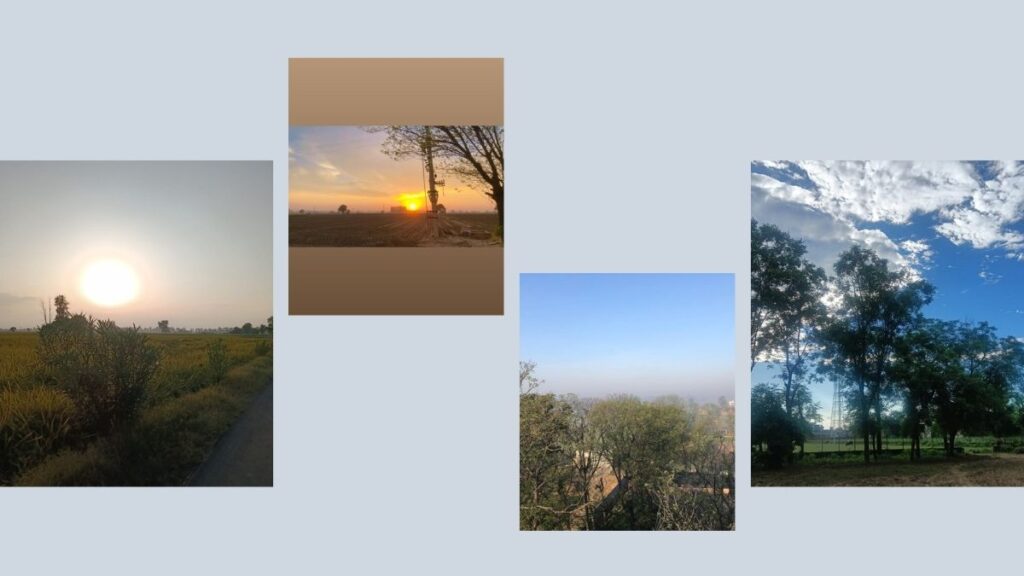
Summer (March through June): The Season of Intense Heat and Hard Work
In the village of Raowal, summer stretches from March to June, marking the hottest time of the year. During this season, temperatures often soar above 40°C (104°F), especially in May and June, which are considered the peak summer months. The sun shines fiercely throughout the day, and the air feels heavy with warmth.
The weather in Raowal during summer is typically hot, dry, and exhausting, with very little rainfall. The ground becomes hard and dusty, and vegetation dries up under the scorching sun. People often prefer to stay indoors during midday hours to avoid the intense heat. Early mornings and late evenings become the most comfortable times for outdoor work or social gatherings.
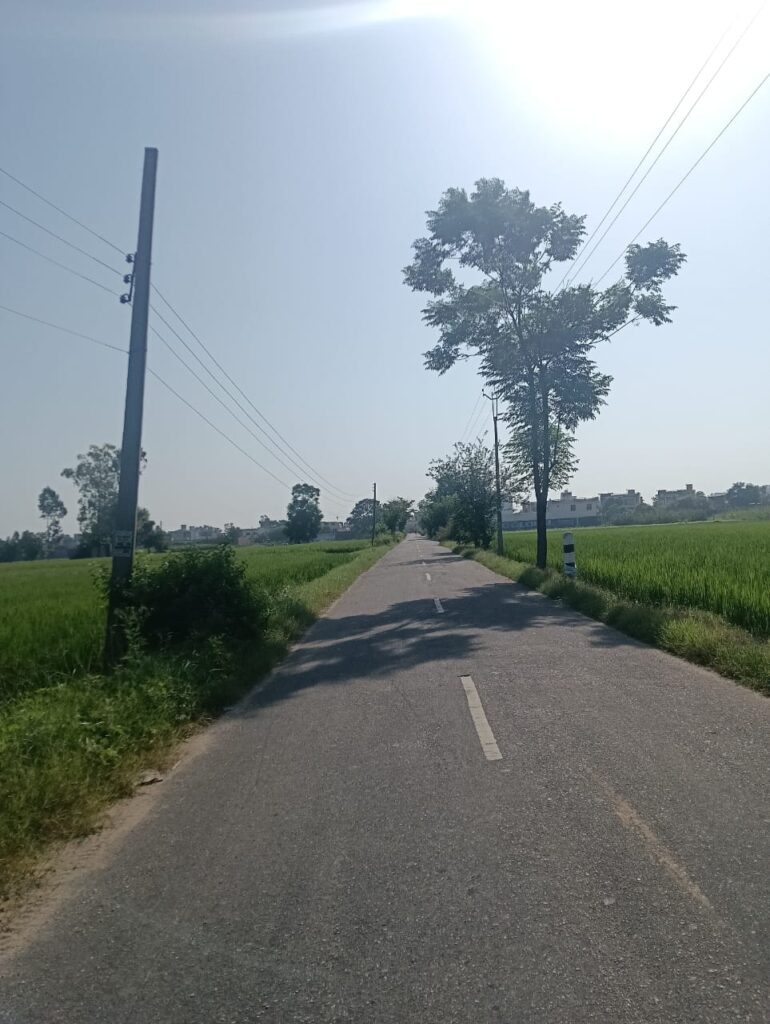
Heatwaves are quite common in this period, bringing extreme temperatures that can be dangerous for both people and animals. The rising heat often leads to dehydration, heat exhaustion, and sunburn, making it important for villagers to take precautions. Locals usually wear light cotton clothes, drink plenty of water, and use handmade fans or coolers to stay cool.
Farmers in Raowal face special challenges during this season. The fields become dry, and irrigation is necessary to keep crops alive. Many farmers wake up before sunrise to complete their work before the temperature rises too high.
Despite the tough weather, this season is also a time of preparation for upcoming monsoon crops, such as rice and maize, which depend on the rains that follow summer.
Overall, summer in Raowal is a season of endurance, patience, and preparation. It tests the strength of both people and the land, yet it also reminds everyone of the importance of hard work and resilience in village life.
Monsoon (July to September): The Season of Renewal and Abundance
The monsoon season in Raowal, lasting from July to September, brings a welcome change after the long, dry, and scorching summer months. The arrival of rain clouds in the sky is a moment of relief and joy for everyone. After weeks of unbearable heat, the cool winds and frequent showers create a refreshing atmosphere across the village.
This is the time when Punjab receives most of its annual rainfall, making it one of the most important seasons for the region’s agriculture and natural balance. The rain replenishes groundwater levels, fills ponds and wells, and revives the greenery that had faded during the harsh summer.
The fields, once dry and cracked, turn lush and vibrant again as farmers sow new crops like paddy, maize, and sugarcane. These crops depend heavily on monsoon rains, and a good season often means a successful harvest later in the year.
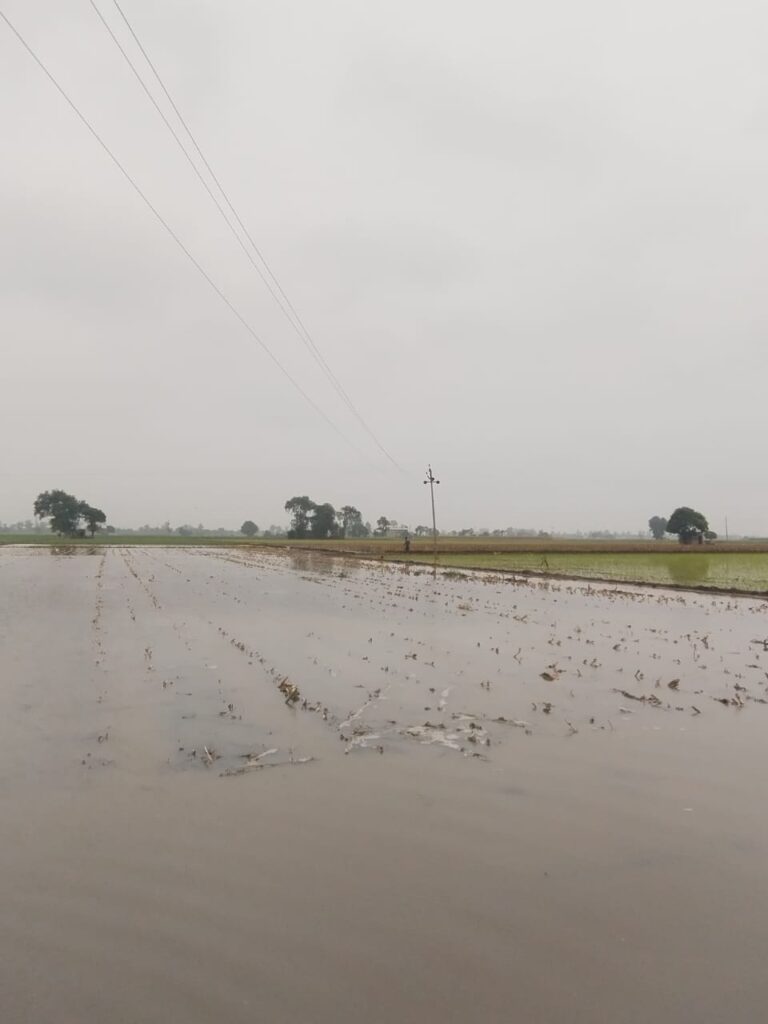
For the people of Raowal, the monsoon also brings a sense of hope and celebration. The smell of wet earth fills the air, and the landscape transforms into a beautiful sight with green fields, blooming plants, and flowing water. Children enjoy playing in the rain, and families often gather outside to enjoy the cool weather after months of extreme heat.
However, the monsoon season also has its challenges. While rainfall is essential, excessive rains can cause flooding and waterlogging, especially in low-lying areas or near rivers. Roads can become muddy and slippery, making travel difficult.
In some cases, standing water may also lead to mosquito breeding and health issues such as fever or infections. Farmers must carefully manage their fields to prevent damage to young crops caused by too much water or soil erosion.
Despite these problems, the monsoon is seen as a season of life and prosperity in Raowal. It restores nature, strengthens community bonds, and supports the agricultural cycle that sustains the village. Every drop of rain is valued, as it symbolizes growth, renewal, and the blessings of nature.
Post-Monsoon Magic: The Gentle Shift from Rain to Winter (October–November)
As the rains fade away, October and November bring a refreshing transition from the lush monsoon season to the crisp onset of winter. The air turns cleaner and lighter, and the landscape glows with post-rain freshness — greener fields, clearer skies, and vibrant sunsets.
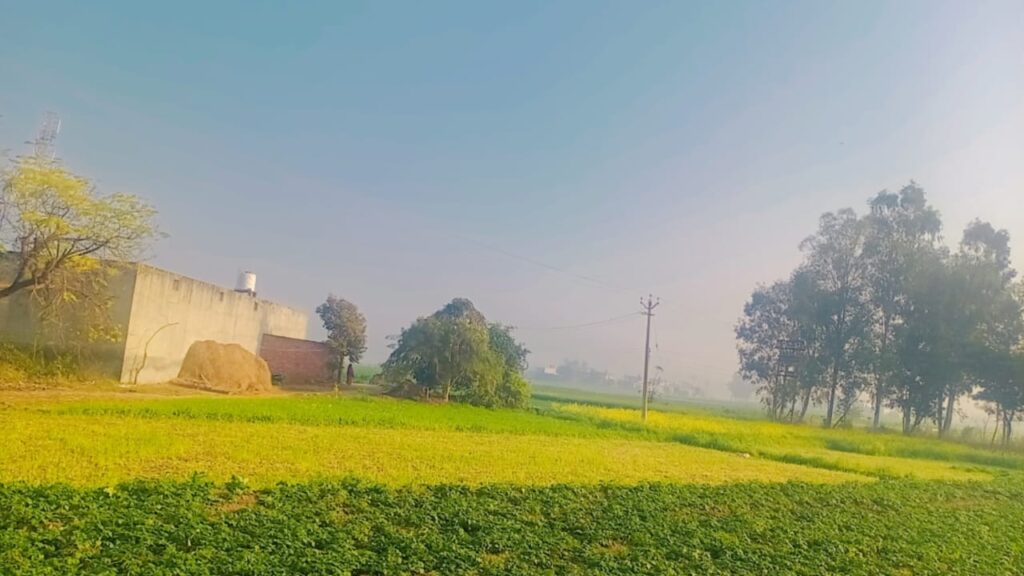
Temperatures begin to drop gradually, creating pleasantly warm days and comfortably cool nights. This period offers some of the most delightful weather of the year, perfect for outdoor adventures, festivals, and travel. It’s a time when nature rejuvenates, and the atmosphere carries a subtle promise of the cozy winter ahead.
Winter Whispers: Cozy Days from October to February
Winter (October to February): Winters in Punjab are cold, particularly in the northern regions and hilly areas. Foggy conditions are common during the winter months, especially in the mornings and evenings, which can affect visibility and travel.
Some parts of Punjab, especially the hilly areas like parts of Himachal Pradesh and Jammu and Kashmir, may experience rainfall or snowfall during the winter months. In recent years, winter in Punjab has also been associated with air pollution due to the practice of crop residue burning, primarily in November.
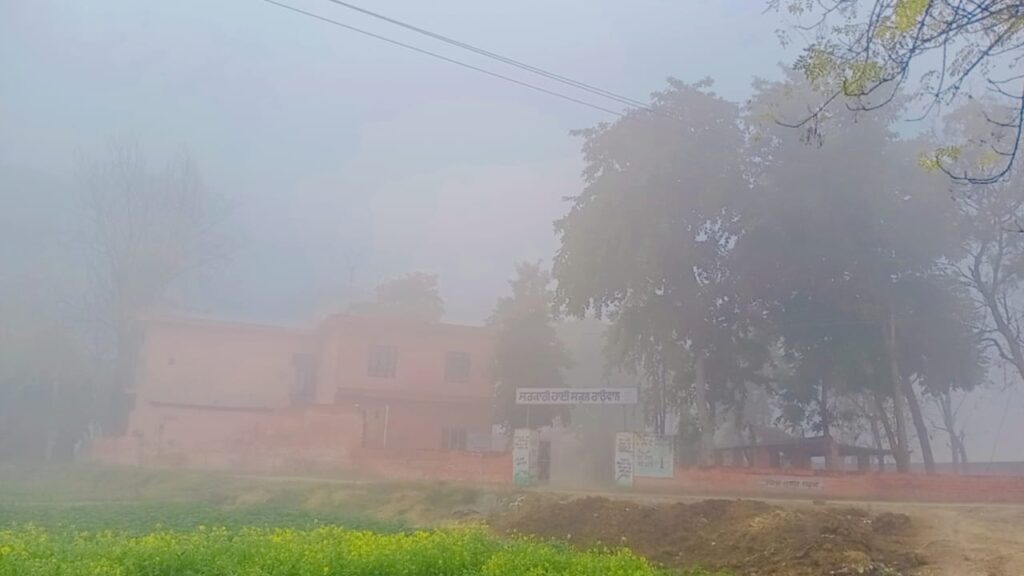
Raowal village experiences cool, sometimes very cold, winters, particularly in December and January. Lows of almost freezing can happen, along with occasional fog. The Rabi crop, commonly known as the winter crop, is harvested in the winter.
With various crops being grown and harvested at particular periods of the year, these seasons are essential to the region’s agricultural cycle. Remember that certain weather conditions can change from season to season. Please check weather forecasts for the most accurate and current information.
Learn more about the Weather
Punjab’s weather and climate are mainly affected by the Himalayas, the Thar Desert and the Arabian Sea. Punjab experiences a continental climate characterized by extreme temperatures and notable variations in precipitation throughout the year. Click on the “Read More” below to get more information about Punjabi Desi Months, which are also connected to the weather