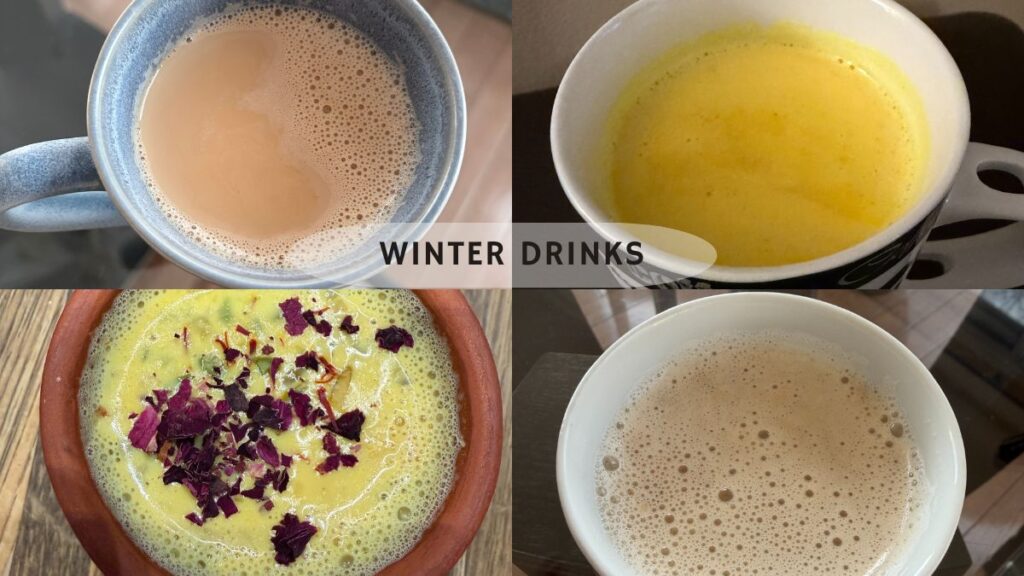
Winter brings a special charm to Punjabi life. People love sitting near the fire. They enjoy warm comfort food. They also enjoy winter drinks in Punjabi households that make the cold season feel softer and more peaceful. These drinks are not just tasty. They also support health, energy, and daily warmth. In this article, you will discover the top seven winter drinks that are loved in Punjab.
These drinks have simple ingredients and deep cultural meaning. Each one brings its own warmth and benefits. Many families still prepare these drinks using old recipes passed down through generations. As you read ahead, you will understand why winter drinks in Punjabi culture are famous for their strong flavours and healing power.
1. Gur Wali Chai (Jaggery Tea)
Gur Wali Chai is one of the most popular winter drinks in Punjabi homes. It is sweet. It is warm. It is full of comfort. The tea is made by boiling jaggery with water and milk. Jaggery melts inside the pot and gives a deep, earthy sweetness. Many families drink it early in the morning. This tea wakes up the body. It also helps digestion because jaggery is good for your stomach.
The smell of boiling jaggery fills the whole house. It feels nostalgic. For many people, it reminds them of childhood winter mornings. Gur Wali Chai is also packed with minerals. It gives quick energy and keeps the body warm. People in Punjab love sharing this tea with guests because it feels homely and welcoming.
2. Haldi Doodh (Turmeric Milk)
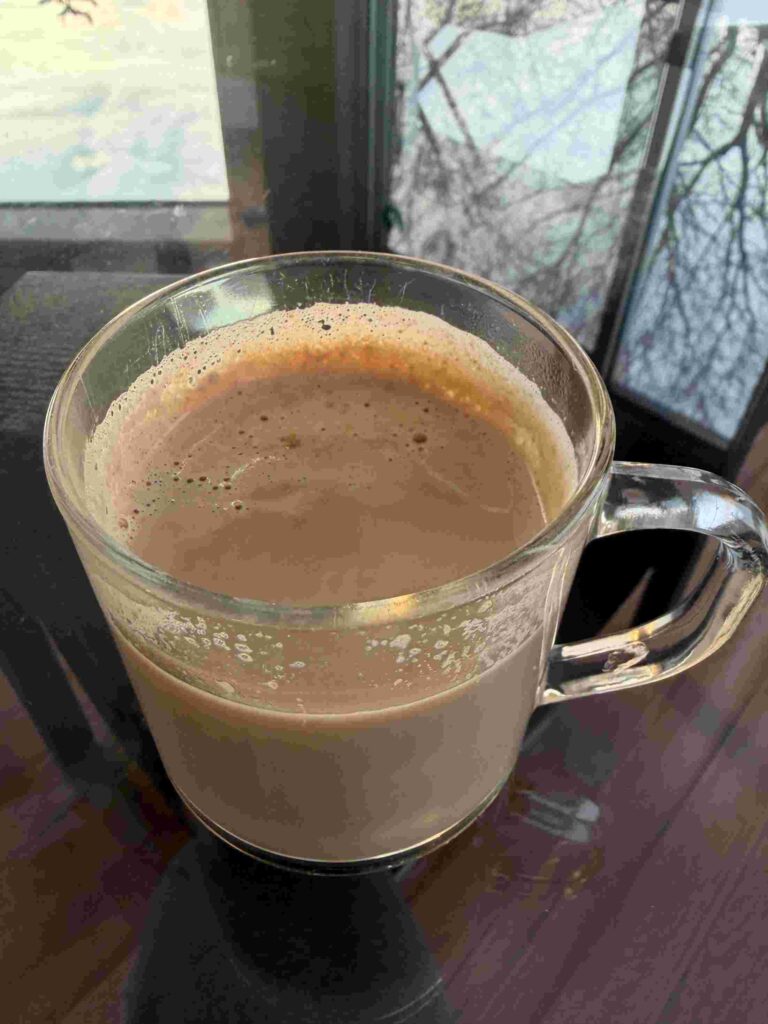
Haldi Doodh is a golden drink. It looks beautiful. It supports health during cold weather. This drink has been used in Punjabi households for many years. It is simple to make. You only need milk, turmeric, and sometimes a little ginger or pepper.
Haldi Doodh is known for its healing qualities. Turmeric fights infections. Milk gives strength. Many elders tell children to drink it before sleeping. It helps the body relax and recover. During winter, people drink it daily to prevent cough and cold. This drink is also part of Ayurvedic traditions. It warms the body from inside. It also helps reduce body pain, which is very common in winter.
With all these benefits, it is no surprise that Haldi Doodh remains a top choice among winter drinks in Punjabi families.

3. Badam Milk (Almond Milk Drink)
Badam Milk is a rich and creamy winter drink. It is made by blending almonds into milk. Sometimes saffron, cardamom, or sugar is added to make it more flavorful. This drink is very famous during festival gatherings and family dinners.
Almonds are a great source of protein and good fats. They help the body stay active in cold weather. Children are often given Badam Milk because it supports brain growth and boosts energy. Adults also enjoy it because it tastes premium and feels luxurious.
In many Punjabi homes, Badam Milk is prepared slowly. The milk is boiled for a long time. This makes it thicker and sweeter. Saffron adds a bright yellow color. The smell itself feels warm. No wonder it is loved as one of the best winter drinks in Punjabi culture.
4. Masala Chai (Spiced Tea)
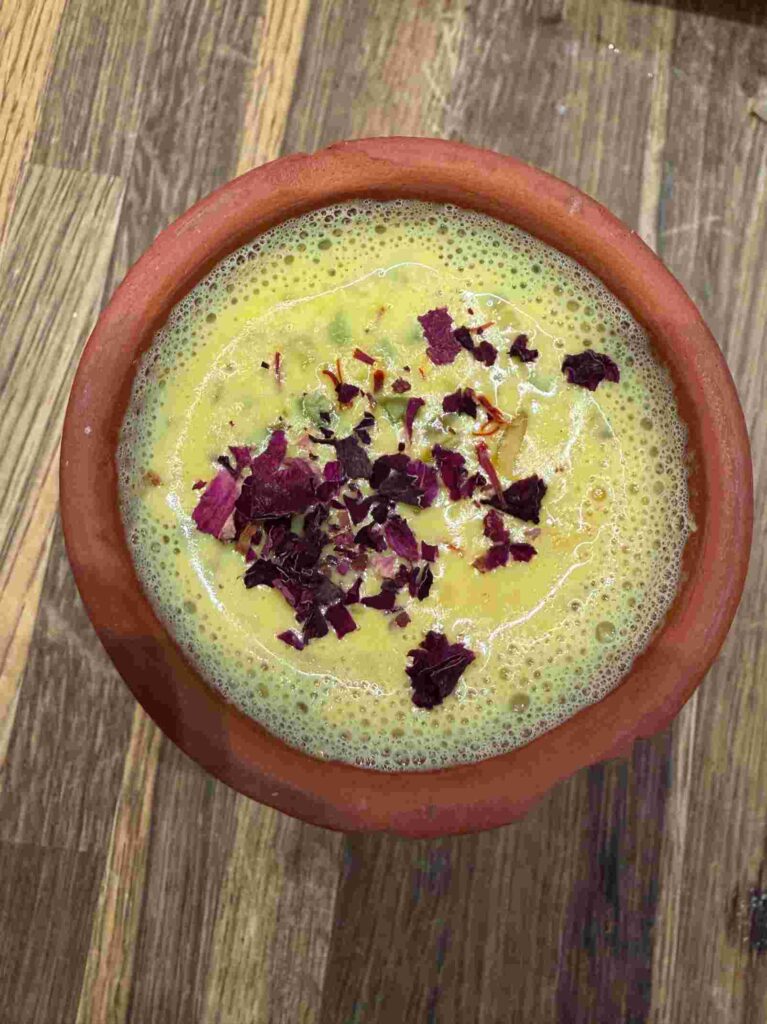
Masala Chai is not just tea. It is an emotion. It is a daily ritual in many Punjabi homes. This tea is prepared with spices like ginger, cinnamon, cardamom, and cloves. These spices make the drink strong and highly warming.
During winter, the flavor becomes even better. Families make the tea thicker. They add more spices. They enjoy it with snacks like mathi, biscuits, or pakoras. Masala Chai also helps with throat pain and cold. It keeps the body warm for a long time.
Visitors in Punjab are always offered tea. It has become a symbol of hospitality. Many people say the day feels incomplete without a hot cup of Masala Chai. Because of all this, it proudly stands as one of the most loved winter drinks in Punjabi homes.

5. Kehwa (Warm Herbal Tea)
Kehwa is a light and refreshing herbal tea. It has roots in North Indian and Kashmiri traditions, but it is also enjoyed in Punjab during winter. It is made with green tea leaves, saffron, cardamom, and sometimes nuts.
Kehwa warms the throat and clears the mind. It has a calming effect. People drink it after meals because it helps with digestion. The drink is especially popular among those who want something warm but not too heavy.
The gentle flavour of Kehwa makes it perfect for cold evenings. Many Punjabis enjoy it while sitting under blankets or near heaters. Over the years, this drink has become a popular part of winter drinks in the Punjabi lifestyle because of its soothing nature.
6. Ajwain Water (Carom Seed Drink)
Ajwain Water is a strong but very useful winter drink. It is made by boiling carom seeds in water until the flavor becomes sharp. Many Punjabi households use Ajwain Water as medicine.
This drink helps reduce stomach pain. It also fights cold and cough. Carom seeds create heat inside the body, which is perfect for winter. Many people drink it early in the morning to improve digestion.
Ajwain Water is simple. It does not need milk or sugar. It is more like a health drink. Mothers often give it to children when they feel unwell. People trust it because it works quickly. Because of its simple benefits, Ajwain Water is also counted among the important winter drinks in Punjabi homes.
7. Kanji (Fermented Beetroot Drink)
Kanji is a traditional fermented drink. It has a bright red color because it is made with beetroot and black carrots. Kanji has a strong, tangy taste. Many people love its unique flavor. It is mostly prepared in large jars that sit outside in sunlight for several days.
Kanji is known for its digestive benefits. Fermented drinks increase good bacteria in the stomach. This helps the body stay strong during winter when metabolism becomes slow. People drink Kanji before meals for better health.
Unlike other drinks, Kanji is cold. But it is linked deeply to Punjabi winter traditions. Families prepare it together. The taste gets better with time. Because of its cultural value, Kanji proudly sits on the list of essential winter drinks in Punjabi culture.
Why Winter Drinks Matter in Punjabi Culture
Punjabi winters are cold and foggy. Temperatures drop at night. People need warmth not only from heaters and blankets but also from food and drinks. That is why winter drinks in Punjabi culture play an important role.
These drinks give energy. They boost immunity. They protect the body from cold winds. They bring families together. Every drink has its own purpose. Some help digestion. Some fight infections. Some simply bring joy.
Many Punjabis still follow old family recipes. These recipes come from grandparents and great-grandparents. They know what the body needs during winter. That is why these drinks are not just tasty but also healthy.
Even today, people in cities and villages continue these traditions. The drinks remind them of their roots. They connect them to Punjabi identity. Every winter, these drinks return to kitchens and hearts, making the season warm and meaningful.
FAQs: Winter Drinks in Punjabi
1. Why are winter drinks important in Punjabi culture?
Winter drinks protect the body from cold weather. They give warmth, energy, and better immunity. Many drinks also have healing qualities.
2. Which drink is best for cough and cold?
Haldi Doodh and Masala Chai are very helpful. They reduce throat pain and support faster recovery.
3. Are these drinks easy to make at home?
Yes. Most winter drinks in Punjabi homes use simple ingredients like milk, spices, jaggery, and herbs.
4. Can children drink these winter drinks?
Yes, but in small amounts. Drinks like Badam Milk, Haldi Doodh, and Gur Wali Chai are usually safe for kids.
5. Which drink is best for digestion?
Ajwain Water and Kanji help digestion. They reduce stomach discomfort and support gut health.

Harman is a proud native of Raowal. With a deep-rooted connection to the land and its people, we contribute stories, updates, and insights that reflect the true spirit of Raowal. Our website aims to keep people connected to their heritage and village while showcasing the beauty of village life to the wider world. Especially people from the village Raowal who live abroad.