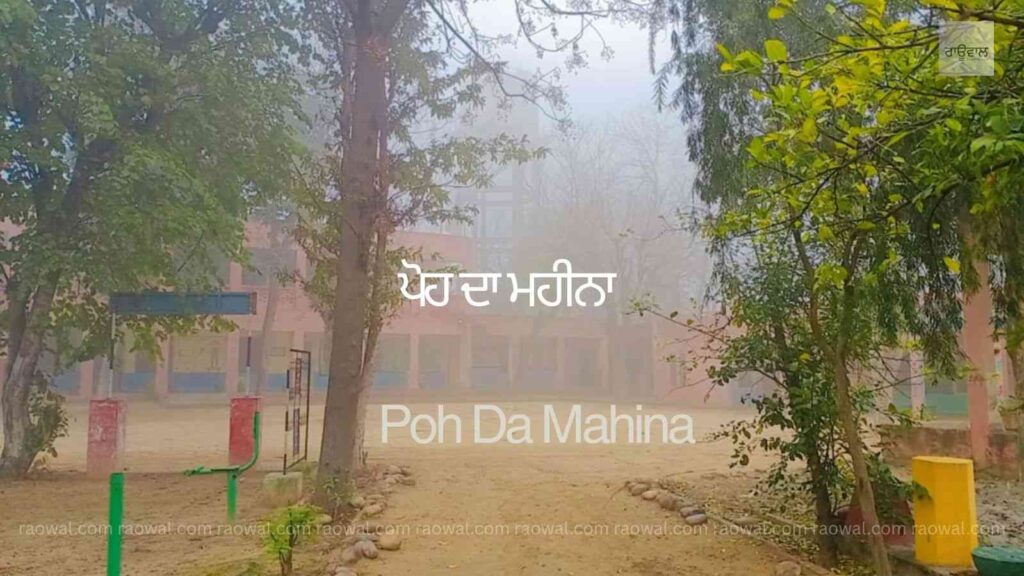
Poh da mahina is known as one of the coldest months in Punjab. The air becomes dry. The winds turn sharp. People search for easy ways to stay warm. This month tests patience. It also shows how strong Punjabi culture is. Families come together. They follow old traditions and modern tricks to fight the cold.
In this detailed guide, you will learn how Punjabis survive, stay comfortable, and protect themselves in Poh da mahina. You will also see how food, clothing, and daily habits keep everyone safe during the extreme chill of Poh da mahina. Let’s explore the warmth and wisdom behind this special month in Punjabi life.
Introduction to Poh Da Mahina
Meaning and Cultural Importance
Poh da mahina is the tenth month in the Punjabi calendar. It comes right before Magh. This period is full of simple routines. The weather becomes harsh, but people continue their daily work. Farmers wake up early. Kids go to school wearing many layers. Elders share tips to stay warm. This month is respected because it connects people to their roots. In Poh da mahina, families start preparing for Lohri, one of the biggest winter festivals in Punjab.
Weather Conditions During Poh
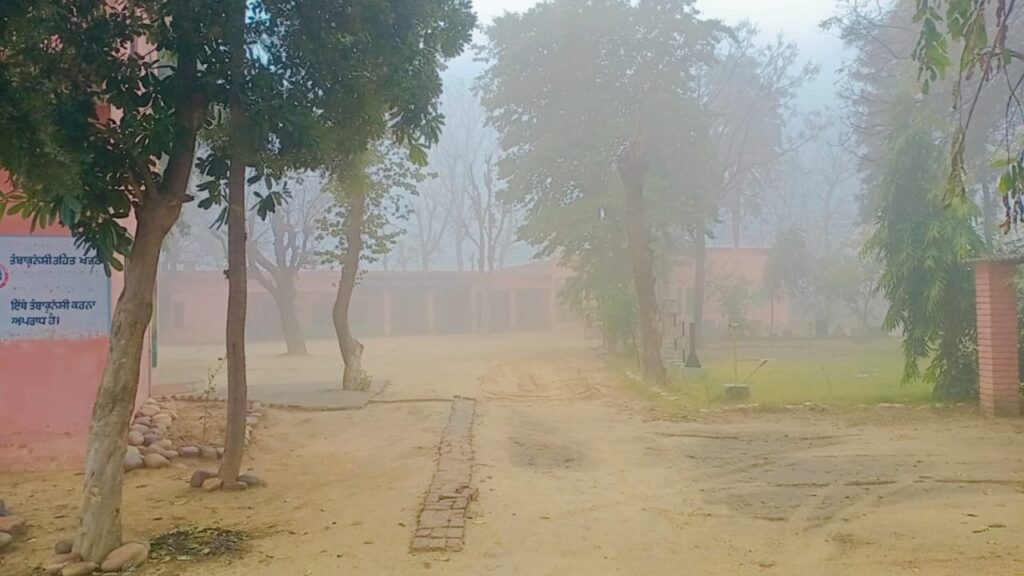
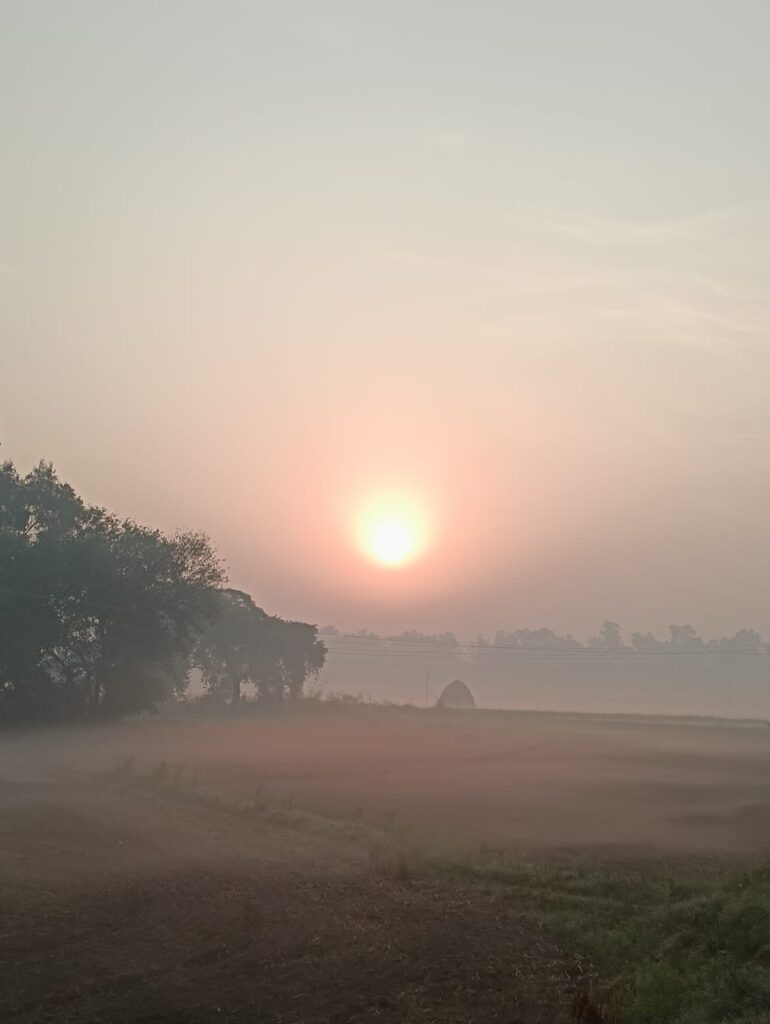
Poh is cold, dry, and foggy. Nights become freezing. Mornings stay dull. Sometimes the sun does not appear at all. The temperature drops quickly after sunset. Roads stay misty. The cold winds feel sharp on the skin. This weather makes Poh da mahina one of the toughest months for daily life.
Daily Life Challenges in This Month
People face many challenges in Poh da mahina as the intense cold affects daily life in many ways. Water becomes icy cold, making simple tasks like bathing, washing clothes, or even touching water extremely uncomfortable.
Hands and feet often stay numb for long hours, especially for those who work outdoors early in the morning. Thick fog covers the roads, reducing visibility and making travel slow and risky for drivers, farmers, and labourers.
Children are more vulnerable during this month, easily catching colds, coughs, and other winter-related illnesses. Despite all these difficulties, Punjabis continue their daily routines with determination, working with great energy and strength to face the harsh winter season.
Traditional Ways of Staying Warm
Warm clothing is the first line of defence against the cold, and Punjabis rely on thick woollen layers that keep the body insulated, especially by covering the head, ears, and feet. Woollen shawls are commonly used because they are warm, light, and easy to carry, making them ideal for daily use.
Women often prefer Pashmina shawls for their softness and warmth, while Phulkari dupattas with their thick embroidery offer both style and added protection from the cold. Many people also wear thermals under their regular clothes, as these inner layers help retain body heat and reduce the impact of cold winds.
Popular Winter Foods
Food plays a big role in keeping the body warm in Poh da mahina, and Punjabis enjoy heavy, healthy meals during this season. The most famous winter dish is sarson da saag with makki di roti, which provides warmth, energy, and long-lasting fullness due to its rich nutrients.
Desi ghee, known for generating heat in the body, is added to almost every dish, and many people even consume a spoonful of warm ghee in the morning. Traditional winter sweets like panjiri and pinnis—made with nuts, jaggery, and ghee—are also popular, as they help boost immunity during the cold month.
Winter Drinks
Hot milk with haldi is a natural healer that keeps the throat warm and helps prevent infections during cold weather. Many people also enjoy herbal teas made with ingredients like ginger, tulsi, and black pepper, which strengthen the body and protect it from harsh cold winds.
Another popular remedy is kada, a strong herbal drink prepared with cloves, cinnamon, and ginger, known for boosting immunity throughout Poh da mahina.
Home Practices to Fight the Cold
The use of different heating methods is very common in Poh da mahina, as people try to keep their homes warm and comfortable. In many villages, families still rely on the traditional angithi, a charcoal-based heating device that provides strong, long-lasting warmth, while people in cities mostly use electric heaters for safety and convenience.
Warm bedding is another essential part of winter life, and a thick razai remains every Punjabi’s favourite item for staying cozy throughout the night. To maintain warmth inside the house, people keep windows tightly closed and hang thick curtains, which help insulate the rooms and block cold air from entering.
Lifestyle Habits for Warmth
During Poh da mahina, waking up early becomes difficult because of the biting cold, so people often warm water before bathing, and on extremely cold days, some even skip baths altogether. Light physical activity helps improve blood circulation, with farmers staying active in the fields and students doing small stretches to keep themselves warm.
In many villages, community gatherings around a bonfire are common, where people sit together, talk, laugh, and enjoy roasted peanuts, creating moments of warmth and happiness despite the harsh weather.
Modern Solutions That Punjabis Use
In modern days, almost every other household has air conditioning, which they use most in the summer, but during winter AC’s also used for warm air. So people use them as a heating system to warm up the rooms before sleeping, and help elders who cannot handle extreme cold. Room heaters are common in many homes and can quickly warm up any room. People also use hot water bags to keep their hands, feet, or back warm.
How Punjabis Protect Their Health in Poh Da Mahina
During Poh da mahina, people focus on staying healthy by taking care of their skin, as it becomes dry in the cold weather. Punjabis often use mustard oil and moisturizers to keep their skin soft and protected.
Home remedies are also very common for curing cold and cough; ginger, honey, and warm water help reduce discomfort and boost recovery. To stay strong, many families include immunity-boosting foods like almonds, jaggery, and sesame seeds in their daily meals, helping the body fight the harsh winter conditions.
Cultural Activities During Poh
Cultural activities during Poh da mahina bring warmth and joy to Punjabi families. Lohri arrives near the end of the month, and people celebrate by dancing around the fire while enjoying popcorn, rewari, and peanuts.
Many families also enjoy simple bonfire nights at home, where they sit together, share stories, and sing traditional songs. Grandmothers prepare special winter sweets, and families gather to enjoy warm meals that create a cozy and loving atmosphere during the cold days of Poh.
Tips to Stay Warm in Extreme Cold
Layering clothes is a simple but effective way to stay warm because it traps warm air inside and keeps the body comfortable. Eating hot meals also helps, as warm food heats the body from the inside and gives extra energy during cold days.
Staying active is equally important since movement prevents the body from becoming stiff and cold, helping people remain warm and healthy throughout the winter season.
Conclusion
Poh da mahina is cold, harsh, and challenging. But Punjabis handle it with strength and tradition. They use warm food, thick clothes, and smart home practices. They enjoy festivals like Lohri and gather around fires. This month brings people closer. It teaches patience and discipline. With simple habits and cultural wisdom, Punjabis stay safe and warm in Poh da mahina every year.
FAQs: Poh Da Mahina
1. Why is Poh da mahina so cold?
Because this month falls in peak winter. The temperature drops very low.
2. What foods help in keeping warm in Poh da mahina?
Foods like saag, ghee, panjiri, and pinnis help the body stay warm.
3. How do villagers stay warm without modern heaters?
They use angithis, bonfires, and warm bedding.
4. What drinks are good for cold weather?
Haldi milk, herbal teas, and kada work well.
5. Why do Punjabis love bonfires in Poh?
Bonfires give heat and bring families together.

Harman is a proud native of Raowal. With a deep-rooted connection to the land and its people, we contribute stories, updates, and insights that reflect the true spirit of Raowal. Our website aims to keep people connected to their heritage and village while showcasing the beauty of village life to the wider world. Especially people from the village Raowal who live abroad.