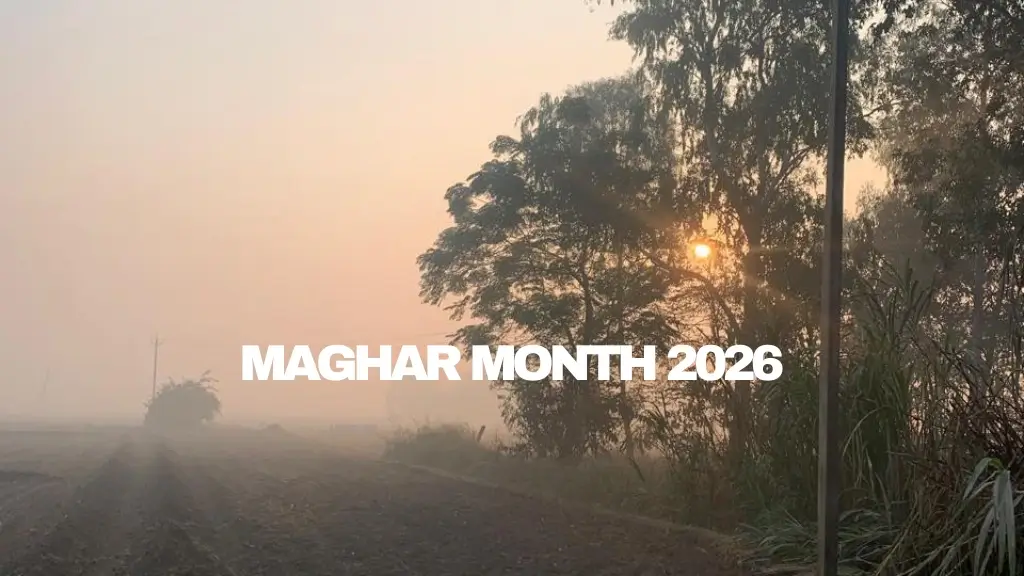
Maghar Month 2026 brings the arrival of cooler days and the beginning of winter activities in Punjab. This month is known for its pleasant afternoons, chilly mornings, green fields, seasonal vegetables, and traditional Punjabi food. It is also an important period for farming families and communities that celebrate cultural and religious occasions.
Maghar is the ninth month of the Nanakshahi calendar. It connects the beauty of autumn with the colder winter season and offers a wonderful look at traditional Punjabi village life.
When Does Maghar Month 2026 Start and End?
Maghar Month 2026 starts on November 16 and ends on December 15, 2026, according to the amended Nanakshahi calendar followed by many Sikh institutions in Punjab. It covers 30 days and marks an important seasonal transition. During this period, temperatures begin to fall, winter crops develop, and families prepare for colder weather.
Here are the important calendar details:
| Calendar Detail | Date |
|---|---|
| Month Name | Maghar |
| Year | 2026 |
| Starting Date | November 16, 2026 |
| Ending Date | December 15, 2026 |
| Starting Day | Monday |
| Ending Day | Tuesday |
| Total Duration | 30 Days |
| Previous Month | Katak |
| Next Month | Poh |
The beginning of Maghar is known as Sangrand. Many people visit nearby gurdwaras on this day to offer prayers and participate in religious programmes.
The month continues through November and the first half of December. During this time, the weather becomes colder, especially during early mornings and after sunset.
For village residents, this is also a busy period. Farmers work in their fields, families organise winter clothes, and local markets begin displaying fresh seasonal vegetables.
What Are the Important Dates of Maghar 2026?
Maghar includes several important religious and historical occasions. One of the best-known celebrations during this period is the Prakash Gurpurab of Guru Nanak Dev Ji. Other occasions connected with Sikh history are also remembered through prayers, religious gatherings, and community activities.
Some important occasions associated with this period include:
| Date | Occasion |
|---|---|
| November 16, 2026 | Maghar Sangrand |
| November 24, 2026 | Guru Nanak Dev Ji Prakash Gurpurab |
| November 28, 2026 | Remembrance of Bhai Mardana Ji |
| November 30, 2026 | Birth anniversary of Sahibzada Zorawar Singh Ji |
| December 12, 2026 | Gurgaddi Divas of Shri Guru Gobind Singh Ji |
Religious calendar dates can vary between calendar traditions. Readers should check their local gurdwara calendar for confirmation before planning a celebration.
These occasions are meaningful for many Punjabi families. They provide opportunities to remember important personalities, understand historical events, and take part in community programmes.
Why is Guru Nanak Dev Ji’s Gurpurab Important During This Period?
Guru Nanak Dev Ji’s Prakash Gurpurab is an important celebration for Sikh communities. It remembers the birth of Guru Nanak Dev Ji and his teachings about equality, honest living, kindness, and helping others. Gurdwaras organise special programmes, while devotees participate in prayers, kirtan, langar, and community service.
The celebration is observed in cities, towns, and villages across Punjab. Many families visit their local gurdwaras with children and relatives.
Some common activities include:
1. Akhand Path Sahib
Gurdwaras organise continuous recitation of Sri Guru Granth Sahib Ji. Families and community members participate in the religious programme.
2. Nagar Kirtan
A religious procession moves through village streets and nearby areas. Devotees sing hymns, and members of the community help organise the procession.
People gather early in the morning to sing religious hymns. These gatherings may take place in the days leading up to Gurpurab.
4. Langar
Free meals are prepared and served to visitors. Volunteers work together in the kitchen and help distribute food.
5. Seva
People contribute by cleaning the gurdwara, arranging footwear, serving food, and helping visitors.
In Punjabi villages, these celebrations often bring the entire community together. Children, older people, and young volunteers all participate in different activities.
What is the Weather Like During Maghar in Punjab?
Maghar brings cooler weather to Punjab as autumn slowly changes into winter. November usually has pleasant afternoons and chilly mornings. By December, temperatures often become lower, and foggy conditions may appear. The weather varies each year, but the general pattern is a gradual increase in cold conditions.
People begin noticing the change in their everyday routines. Summer clothes are replaced with sweaters, jackets, and shawls. Warm blankets are brought out of storage, and outdoor activities become more comfortable during sunny afternoons.
Some common weather conditions during this month include:
1. Chilly Mornings
Early mornings can feel cold, particularly in open agricultural areas. Farmers and outdoor workers often wear warm clothes before leaving home.
2. Pleasant Afternoons
November afternoons can be comfortable and sunny. People enjoy sitting outside, drinking tea, and spending time with family members.
3. Cold Evenings
After sunset, temperatures begin to fall. Families prefer staying indoors and preparing warm meals.
4. Foggy Weather
Fog becomes more common as winter approaches. It can reduce visibility on village roads and highways. Drivers should travel carefully during early morning hours.
5. Cool Winds
Some days bring cold winds, especially in open fields. Warm clothing becomes useful for people who spend long hours outdoors.
Maghar is a good time to enjoy the changing countryside, but it is also important to prepare for the colder weeks ahead.
How Does Maghar Weather Change Daily Village Life?
The arrival of colder weather changes the daily routine of Punjabi village residents. People adjust their waking times, clothing, food habits, and outdoor activities. Farmers continue working in the fields, while families enjoy sunny afternoons in their courtyards. Neighbours also spend time together and prepare their homes for winter.
Village life follows a natural routine during this month.
Some common activities include:
- People sit in courtyards to enjoy the afternoon sunshine.
- Children wear sweaters and jackets when going to school.
- Older family members prefer warm and sunny places.
- Farmers spend several hours working on their land.
- Tea becomes a regular part of morning and evening routines.
- Families bring out quilts, blankets, and winter clothes.
- Neighbours visit each other for conversations and tea.
The courtyard is an important part of many traditional Punjabi homes. During colder months, family members gather there whenever the weather is sunny.
Some people use charpais (manja), wooden chairs, or traditional benches to sit outside. They talk about farming, family matters, village news, and upcoming events.
These simple activities make village life enjoyable and help maintain strong relationships between neighbours and relatives.
What Farming Activities Take Place During Maghar?
Maghar is an important month for agriculture in Punjab because wheat cultivation is underway. Farmers sow wheat seeds, prepare fields, manage irrigation, and monitor early crop growth. Mustard and seasonal vegetables are also grown during this period. Agricultural work completed during these weeks helps prepare farms for the winter growing season.
Wheat is one of the main crops grown in Punjab. Many farming families depend on its production for their income.
Some important farming activities include:
1. Wheat Sowing
Farmers prepare their land and sow wheat seeds using tractors and seed drills. Timely sowing helps the crop establish before the colder part of winter.
2. Preparing Agricultural Fields
The soil is prepared before planting. Farmers use different machines to create suitable conditions for seed growth.
3. Irrigation Planning
Water management is important for wheat cultivation. Farmers arrange irrigation according to soil moisture, crop requirements, and local agricultural advice.
4. Fertiliser Management
Farmers may use fertilisers to support healthy crop growth. The quantity and type depend on soil conditions and agricultural recommendations.
5. Mustard Farming
Mustard is another familiar winter crop. Its plants gradually develop during the colder months, and yellow flowers later add colour to the countryside.
6. Vegetable Cultivation
Many farmers grow spinach, carrots, radishes, peas, turnips, and cauliflower during this season.
Maghar is therefore a busy period for farmers. They spend time preparing their crops and planning their work for the coming months.
Which Winter Vegetables Grow During Maghar in Punjab?
Maghar is a good time for growing fresh winter vegetables in Punjab. Cooler temperatures support several seasonal crops, including spinach, carrots, radishes, peas, turnips, and cauliflower. These vegetables are available in local markets and household gardens, making them an important part of everyday Punjabi meals.
Many village families grow vegetables near their homes. Small kitchen gardens provide fresh produce and reduce the need to purchase every vegetable from the market.
Here are some popular vegetables:
| Vegetable | Punjabi Name | Common Use |
|---|---|---|
| Spinach | Palak | Saag and vegetable dishes |
| Radish | Mooli | Salads and parathas |
| Carrot | Gajar | Halwa and salads |
| Turnip | Shalgam | Curry and pickles |
| Cauliflower | Phulgobhi | Sabzi and pakoras |
| Peas | Matar | Curries and rice |
| Mustard Greens | Sarson | Sarson da saag |
| Fenugreek | Methi | Parathas and sabzi |
Fresh vegetables are an important part of the Punjabi winter diet. Some people purchase them from village markets, while others grow them on their own land.
Sharing homegrown vegetables with neighbours is also common in some villages. It is a simple tradition that reflects friendship and community relationships.
What Traditional Foods Do Punjabi Families Enjoy During Maghar?
Punjabi families enjoy many traditional winter foods during Maghar. Fresh mustard greens, maize flour, carrots, milk, and other seasonal ingredients are used to prepare popular dishes. Sarson da saag with makki di roti is a favourite winter meal, while pinni, gajar halwa, and hot parathas are also enjoyed.
Food is an important part of Punjabi culture. During winter, families often prefer freshly prepared meals that are served hot.
Here are some popular dishes:
1. Sarson da Saag and Makki di Roti
This is one of the most famous Punjabi winter meals. Sarson da saag is prepared using mustard leaves and other greens. Makki di roti is made from maize flour.
Many families serve this meal with homemade butter, jaggery, or other traditional sides.
2. Pinni
Pinni is a traditional Punjabi sweet. It is commonly prepared using wheat flour, ghee, nuts, and sugar or jaggery. Some families make it at home and share it with relatives.
3. Gajar da Halwa
Carrots are widely available during winter. They are cooked with milk, sugar, and ghee to prepare this popular dessert.
4. Mooli Paratha
Mooli paratha is made by filling wheat flour dough with grated radish and spices. It is commonly enjoyed for breakfast.
5. Aloo Paratha
Potato parathas are popular in Punjabi homes. They are usually served with curd, butter, or pickles.
6. Fresh Milk and Homemade Butter
Many village households keep dairy animals. Milk is used to prepare tea, curd, butter, and other dairy products.
7. Jaggery and Peanuts
Jaggery and peanuts are popular winter snacks. Some families also prepare traditional sweets using sesame seeds and jaggery.
These foods connect people with traditional cooking methods and seasonal ingredients. Family members often sit together and enjoy meals during the colder days.
What Traditional Clothes Do People Wear During Maghar?
People in Punjab begin wearing warmer clothes during Maghar because temperatures become lower, especially in the mornings and evenings. Sweaters, jackets, shawls, woollen caps, and warm socks become common. Farmers and other outdoor workers also wear layered clothing to remain comfortable while working.
Traditional Punjabi clothing continues to be popular in villages.
Some commonly worn winter clothes include:
- Shawls: Used by men and women to protect themselves from cold winds.
- Woollen sweaters: Worn over shirts, suits, and other everyday clothes.
- Warm jackets: Useful for travelling and outdoor work.
- Woollen caps: Help keep the head warm during chilly mornings.
- Traditional salwar suits: Women often wear warm suits with shawls and sweaters.
- Warm socks: Help protect the feet from cold weather.
Older people may prefer traditional woollen shawls, while younger people often choose modern jackets, hoodies, and sweatshirts.
Families also organise their winter bedding during this period. Quilts, blankets, and mattresses are cleaned and prepared for colder nights.
What Village Activities Make Maghar Special?
Maghar brings many simple activities that make Punjabi village life enjoyable. People spend time outdoors during sunny afternoons, visit neighbours, care for animals, work in gardens, and enjoy seasonal foods. Children play in open spaces, while older residents gather in courtyards to share stories and discuss everyday matters.
Some common village activities include:
1. Sitting in the Sunshine
People enjoy sitting outside when the afternoon sun is warm. They use charpais and chairs to relax and talk with family members.
2. Playing Outdoor Games
Children play cricket, football, and other games in open spaces. The cooler weather makes outdoor activities more comfortable.
3. Taking Care of Animals
Families with cattle and buffaloes arrange suitable shelter and provide proper feed. They also make sure animals have clean drinking water.
4. Visiting Neighbours
People visit nearby homes and spend time talking. These visits help maintain friendships and family connections.
5. Working in Home Gardens
Some families plant winter vegetables and take care of flowers. Green gardens make village homes look fresh and colourful.
6. Visiting Village Markets
Local markets become busy with seasonal vegetables, fruits, warm clothes, and household items. Residents visit these markets to purchase everyday necessities.
7. Preparing Winter Supplies
Families organise firewood where traditionally used, arrange warm clothes, and prepare bedding for the colder weeks.
These activities may seem ordinary, but they are an important part of rural Punjab’s lifestyle.
What Is the Natural Beauty of Punjab During Maghar?
Maghar offers beautiful countryside views as the weather becomes cooler and winter crops begin to grow. Green wheat fields, mustard plants, fresh vegetables, morning fog, and soft sunlight create a different appearance across the villages. The landscape slowly changes from autumn colours to the green scenery associated with winter farming.
There are many beautiful things to notice during this period.
- Green wheat fields spread across agricultural land.
- Mustard plants grow in village fields.
- Birds sit on trees and electric wires.
- Cattle graze near open farmland.
- Sunlight falls on traditional village houses.
- Fog sometimes covers distant fields during early mornings.
- Farmers travel on tractors along village roads.
The countryside also becomes a wonderful place for photography. People can capture pictures of agricultural activities, village paths, green fields, and traditional homes.
For people living away from Punjab, these scenes may bring back memories of their hometowns. The natural beauty of the villages is one reason why people remain connected to their roots.
How Do Gurdwaras and Religious Places Observe Maghar?
Gurdwaras remain important community centres during Maghar. Daily prayers, kirtan, religious gatherings, and special programmes take place according to the Sikh calendar and local traditions. The month is particularly meaningful because it includes Guru Nanak Dev Ji’s Prakash Gurpurab and other occasions remembered by Sikh communities.
In many villages, gurdwaras are decorated during important occasions. Devotees visit with their families and participate in religious programmes.
Common activities include:
- Morning and evening prayers.
- Gurbani recitation and kirtan.
- Special religious gatherings.
- Langar preparation and distribution.
- Community cleaning and seva activities.
- Religious processions organised by local committees.
The atmosphere becomes especially active around Gurpurab celebrations. Volunteers work together to prepare food, arrange seating, and welcome visitors.
People from nearby villages may also visit to participate in these programmes. These gatherings help preserve religious values and strengthen community relationships.
How Can Families Prepare for Winter During Maghar?
Families can use Maghar as a preparation period for the colder winter weeks ahead. They can organise warm clothing, clean quilts, check heating equipment, prepare winter vegetables, and protect outdoor water supplies. Farmers and households with animals should also make suitable arrangements for colder mornings and nights.
Here are some useful preparations:
| Preparation | Why It Is Useful |
|---|---|
| Wash and organise blankets | Keeps winter bedding ready |
| Bring out warm clothes | Makes cold mornings comfortable |
| Check room heaters | Helps ensure safe heating |
| Store seasonal food | Makes winter cooking easier |
| Prepare animal shelters | Protects livestock from cold winds |
| Check water pipes | Helps prevent cold-weather problems |
| Clean courtyards | Keeps outdoor spaces comfortable |
People should also take care when using heaters and traditional fires. Proper ventilation is important, and heating equipment should be kept away from flammable materials.
For farmers, monitoring weather conditions and following local agricultural advice can help protect crops. Proper irrigation, weed management, and crop monitoring are useful during the growing season.
What Are the Best Things to Photograph in Punjabi Villages During Maghar?
Maghar is a good month for village photography because it offers a mixture of farming scenes, traditional homes, seasonal food, and changing weather. Photographers can capture green fields, foggy mornings, village markets, and people enjoying winter sunshine. These everyday scenes help tell the story of rural Punjab.
Here are some photography ideas:
- Green wheat fields: Capture young wheat plants growing across farmland.
- Foggy village mornings: Photograph village roads covered with light fog.
- Traditional Punjabi food: Take pictures of makki di roti, sarson da saag, and homemade pinni.
- Winter sunshine: Capture elderly people sitting outside on charpais.
- Village farming: Photograph tractors, farmers, and agricultural activities.
- Mustard fields: Capture mustard plants and their yellow flowers when they bloom.
- Traditional homes: Photograph village courtyards, brick houses, and outdoor kitchens.
- Birds and trees: Capture birds sitting on branches and flying over agricultural land.
These photographs can also be useful for Punjabi culture blogs, village websites, and social media pages.
Why Should You Experience Maghar Month in a Punjab Village?
Experiencing Maghar in a Punjab village offers an opportunity to understand the connection between nature, farming, food, and traditional culture. The month brings cooler weather, green agricultural fields, seasonal vegetables, and family gatherings. It also provides a chance to enjoy the simple activities that make rural Punjab special.
There are several reasons to enjoy this period:
- You can see farmers preparing and growing winter crops.
- You can enjoy fresh vegetables from local farms.
- You can taste traditional Punjabi winter dishes.
- You can experience the atmosphere of village mornings.
- You can participate in cultural and religious gatherings.
- You can enjoy conversations with neighbours and relatives.
- You can explore the natural beauty of Punjab’s countryside.
For people who live in cities, a visit to a village during this month can be a refreshing experience. It offers a chance to spend time outdoors and understand traditional rural lifestyles.
For people living abroad, especially those with family connections in Punjab, Maghar can also bring back memories of home.
Frequently Asked Questions About Maghar Month 2026
1. When does Maghar Month 2026 start and end?
Maghar Month 2026 starts on November 16, 2026, and ends on December 15, 2026. It lasts for 30 days according to the amended Nanakshahi calendar.
2. Which month is Maghar in the Punjabi calendar?
Maghar is the ninth month of the Nanakshahi calendar. It comes after Katak and before Poh.
3. What is the weather like during Maghar in Punjab?
Maghar generally brings cool weather to Punjab. Mornings and evenings become chilly, while afternoons are often pleasant. Fog may also appear as winter approaches.
4. Which foods are popular during Maghar?
Popular winter foods include sarson da saag, makki di roti, pinni, gajar da halwa, mooli paratha, aloo paratha, and seasonal vegetables.
5. Which crops do farmers grow during Maghar?
Farmers mainly focus on wheat cultivation during this period. Mustard, peas, spinach, carrots, radishes, and other winter vegetables are also grown in Punjab.
Conclusion
Maghar Month 2026 is a beautiful period in the Punjabi calendar. It represents the transition from autumn to winter and brings many changes to village life. The weather becomes cooler, farmers become busy with wheat cultivation, and fresh winter vegetables become available.
This month is also important for Punjabi culture and religious traditions. Guru Nanak Dev Ji’s Prakash Gurpurab brings communities together for prayers, kirtan, langar, and seva.
From enjoying sarson da saag and makki di roti to sitting in the warm afternoon sunshine, Maghar offers many simple pleasures. Its green fields, chilly mornings, traditional food, and friendly village atmosphere make it a memorable time of the year.
Whether you live in Punjab or far away, learning about Maghar helps you understand the beauty of Punjabi seasons, traditions, and rural life.

Harman is a proud native of Raowal. With a deep-rooted connection to the land and its people, we contribute stories, updates, and insights that reflect the true spirit of Raowal. Our website aims to keep people connected to their heritage and village while showcasing the beauty of village life to the wider world. Especially people from the village Raowal who live abroad.

0 Comments