The Maiyan ceremony—also called Mayian, Mahiyan, Vatna, or Haldi in different Punjabi families—is one of the most cherished pre‑wedding rituals in Punjabi culture. It is a joyful, intimate, and deeply symbolic event that takes place one or two days before the wedding.
The ceremony centers around applying a turmeric‑based paste to the bride or groom as a blessing, a purification ritual, and a way to prepare them for married life.
While many wedding traditions focus on formal customs or religious rites, the Maiyan stands out because of its warmth, simplicity, and emotional closeness. It is a moment where families gather not as guests but as participants—laughing, singing, teasing, and blessing the couple in a way that feels both ancient and timeless.
The Meaning and Purpose of the Maiyan Ceremony
The word Maiyan refers to the set of rituals performed shortly before the wedding to prepare the bride or groom physically, emotionally, and spiritually. At its heart, the ceremony symbolizes:
- Purification — cleansing the body and mind before entering married life
- Blessings — receiving good wishes from elders and relatives
- Protection — warding off negativity and ensuring a smooth wedding
- Transformation — marking the transition from single life to a new chapter
The turmeric paste used in the ceremony is believed to brighten the skin, calm the mind, and bring a natural glow—making it both symbolic and practical.
The Vatna: The Star of the Ceremony
The turmeric mixture used in Maiyan is called vatna. Families prepare it fresh at home using:
- Turmeric powder
- Mustard oil
- Chickpea flour or wheat flour
- Sometimes sandalwood or rosewater
The paste is thick, golden, and fragrant. It is placed in a decorated thaal (tray), often surrounded by flowers, candles, or phulkari cloth. The vatna represents prosperity, purity, and warmth, and applying it is considered an act of love.
The Setting: Peeri, Fatti, and the Sacred Space
The bride or groom sits on a low wooden stool called a peeri, usually covered with a red or yellow cloth. A small wooden plank, the fatti, is placed in front for the feet. Families often decorate the area with:
- Rangoli or colored patterns
- Flower garlands
- Phulkari dupattas
- Brass plates and lamps
This space becomes the ceremonial center where blessings are given and memories are made.
Music, Laughter, and Traditional Songs
No Punjabi ceremony is complete without music, and Maiyan is no exception. Women gather around the bride or groom and sing ghorhian and boliyaan—traditional folk songs filled with humor, blessings, and playful teasing.
The atmosphere is lighthearted and full of laughter. Cousins crack jokes, aunties sing loudly, and elders share stories of their own wedding days. The ceremony becomes a living expression of Punjabi culture, passed down through generations.
Who Participates in the Maiyan?
The Maiyan is typically a family‑only event, though close friends may join. Participants include:
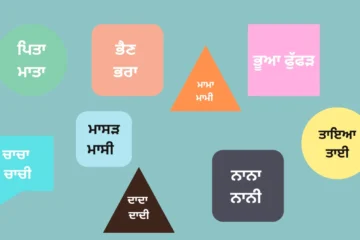
- Parents
- Grandparents
- Aunts and uncles
- Cousins
- Siblings
- Close family friends
Each person takes a turn applying the vatna to the bride or groom’s face, arms, and feet. This act symbolizes sharing blessings, and it creates a sense of unity that few other ceremonies can match.
When and Where the Ceremony Happens
Traditionally, the Maiyan takes place:
- One or two days before the wedding
- In the morning or late afternoon
- At the bride’s or groom’s family home
Many families prefer an outdoor courtyard or veranda so sunlight can brighten the ceremony. In modern settings, it may be held indoors or in a decorated backyard, but the intimate, home‑based feel remains essential.
Step‑by‑Step Flow of a Typical Maiyan Ceremony
Here is a simple, culturally accurate sequence of how the Maiyan usually unfolds:
- Preparation of the vatna — mixed fresh by women of the household
- Decorating the ceremony space with rangoli, flowers, and phulkari
- Seating the bride or groom on the peeri
- Tying the sacred red thread (gana or mauli) on the wrist
- Holding a dupatta overhead by four female relatives
- Applying the vatna to the face, arms, and feet
- Singing traditional songs throughout the ritual
- Playful moments — cousins may smear extra turmeric for fun
- Blessings from elders
- A ceremonial bath afterward (in many families)
- Snacks, sweets, and family photos
The ceremony is short, usually lasting one to two hours, but the memories last a lifetime.
Symbolism of the Red Thread (Gana)
Before the vatna is applied, a red thread is tied around the bride or groom’s wrist. This thread symbolizes:
- Protection
- Good fortune
- Connection to family traditions
In some families, unmarried siblings or cousins also receive the thread as a blessing.
The Emotional Heart of the Ceremony
The Maiyan is more than a beauty ritual—it is a moment of emotional grounding. It allows the bride or groom to:
- Feel the love of their family
- Receive blessings from elders
- Reflect on the journey ahead
- Experience a pause in the busy wedding schedule
For parents, it is often a sentimental moment, as they see their child preparing to enter a new phase of life.
Maiyan in the Punjabi Diaspora
Punjabi families around the world—whether in Brampton, Surrey, Birmingham, or Melbourne—continue to celebrate Maiyan with pride. While some adaptations are made for modern homes or weather, the core elements remain unchanged:
- Turmeric paste
- Family gathering
- Folk songs
- Blessings
- Laughter
Diaspora families often blend tradition with convenience, using LED lights, pre‑made rangoli boards, or professional photographers, but the ceremony still feels authentically Punjabi.
Why the Maiyan Ceremony Is So Loved
Punjabi weddings are known for their energy, but the Maiyan holds a special place because:
- It is intimate, not overwhelming
- It is culturally rich, filled with folk traditions
- It is joyful, with music and laughter
- It is meaningful, symbolizing blessings and purity
- It is photogenic, with bright colors and glowing smiles
For many families, the Maiyan is the moment when the wedding truly begins.
Final Thoughts: The Beauty of Maiyan
The Maiyan ceremony is a beautiful blend of tradition, symbolism, and family love. It honors the past while celebrating the future. It brings families together in a way that is warm, personal, and deeply rooted in Punjabi identity.
Whether performed in a village courtyard or a modern Canadian backyard, the Maiyan remains a shining reminder of what Punjabi weddings are truly about:
Blessings. Togetherness. Culture. Joy.
FAQs About Maiyan Ceremony in Punjabi Wedding
1. What is the purpose of the Maiyan ceremony?
The Maiyan ceremony is meant to prepare the bride and groom for marriage. It focuses on cleansing, blessings, and emotional readiness. It also brings family members together before the wedding.
2. How many days does the Maiyan ceremony last?
The Maiyan ceremony usually lasts between one to five days. The duration depends on family traditions. In modern weddings, it is often done in just one day.
3. Why is haldi applied during Maiyan?
Haldi (turmeric) is applied to improve the skin, bring a natural glow, and protect from negative energy. It is also a symbol of purity and good luck in Punjabi culture.
4. Can Maiyan and Haldi be the same ceremony?
Yes, in many modern weddings, Maiyan and Haldi are combined into one event. However, traditionally, Maiyan includes more rituals and may last longer than just the haldi function.
5. What should guests wear to a Maiyan ceremony?
Guests usually wear simple traditional clothes, often in bright colors like yellow or orange. Comfortable outfits are preferred since the ceremony is more intimate and relaxed.
Harman is a proud native of Raowal. With a deep-rooted connection to the land and its people, we contribute stories, updates, and insights that reflect the true spirit of Raowal. Our website aims to keep people connected to their heritage and village while showcasing the beauty of village life to the wider world. Especially people from the village Raowal who live abroad.