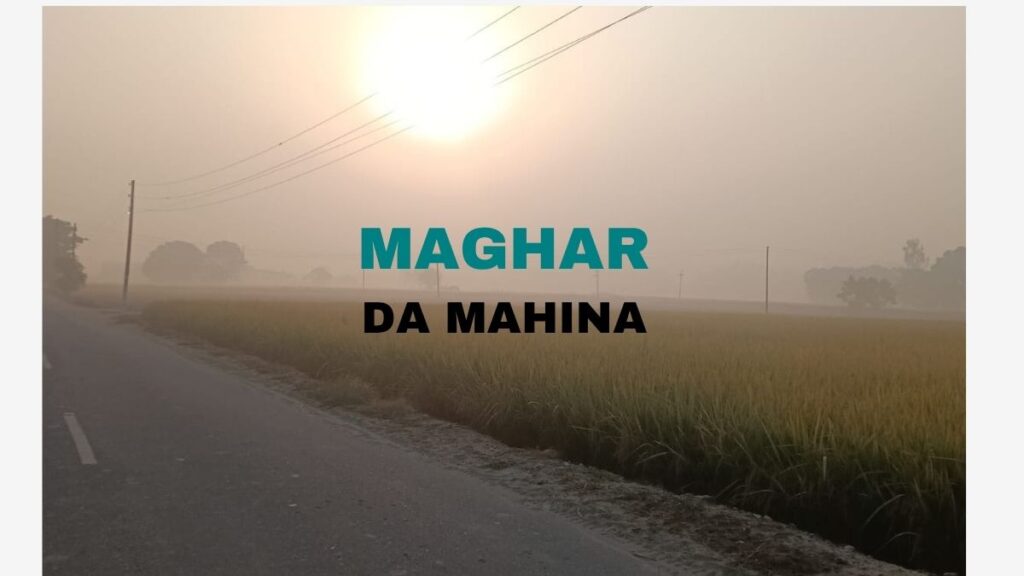
Maghar da mahina is the ninth month of the Punjabi calendar, and it mostly falls between mid-November and mid-December. This month marks the beginning of the winter season in Punjab. People notice a big change in temperature and daily routines.
Maghar is known for cold mornings, foggy days, and dry air. Many people use this time to prepare for the stronger winter season ahead. It is an important month for farmers, students, workers, and families as it brings a natural shift in lifestyle.
How Long Is Maghar?
Maghar usually starts around November 14 or 15 and ends around December 13 or 14. The exact dates may change slightly every year because of the calendar cycle. The month stays the same in length, but it always comes during early winter.
People can feel the temperature dropping as the month progresses. Each day becomes shorter, and nights grow longer. This makes Maghar feel colder week by week.
Weather in Maghar
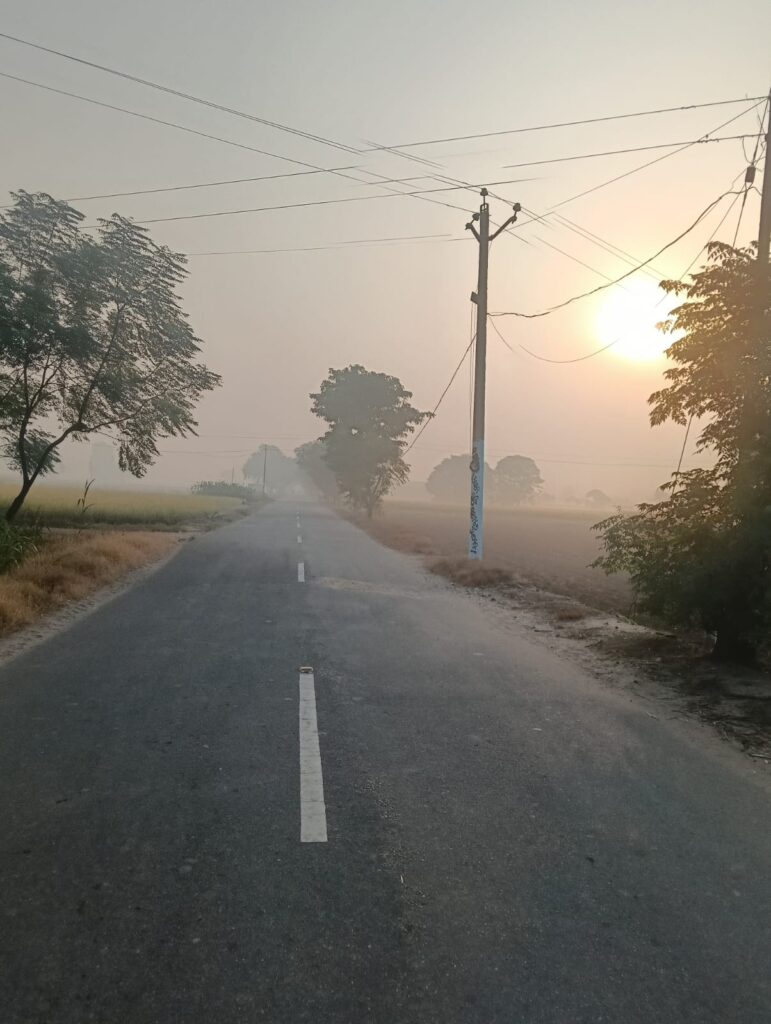
The weather in Maghar is cold and dry. The mornings often start with fog, making it hard to see far distances. The air becomes sharp and chilly. Daytime sunlight feels weak, and evenings get cold fast.
Many people begin wearing warm clothes throughout the day. Dry skin, cracked lips, and cold hands are common signs of the weather change. Houses become colder, so people start using heaters, blankets, or traditional fireplaces.
Farming in Maghar
Maghar da mahina plays a big role in farming. It is the time when winter crops start growing. Wheat, mustard, and peas are the main crops for this season. Farmers make sure the fields have enough moisture. They keep an eye on weather changes to protect the young plants.
Some crops may need irrigation if there is no rainfall. This month sets the base for a successful harvest in the coming months. Farmers work carefully during Maghar to support healthy crop growth.
Lifestyle Changes
Daily life changes during Maghar because the cold weather affects routines. People wake up a little later since mornings feel very cold and foggy. They prefer staying indoors to keep warm. Hot drinks become more common throughout the day.
Families bring out warm blankets and woolen clothes. Many household tasks shift to daytime because evenings become too cold. People also eat more warm and heavy foods to keep energy levels high during winter.
Festivals and Events
Maghar is also known for seasonal gatherings and winter fairs. Many towns and villages hold small events selling winter clothes, dry fruits, and warm food. Community markets become busy because people prepare for the strong winter ahead.
Children enjoy buying winter snacks like roasted nuts and hot sweets. The month feels lively because of these small but enjoyable seasonal activities. Even though not many major festivals fall in Maghar, the winter environment creates its own charm.
Clothing During Maghar
The clothing style changes completely during Maghar. People wear sweaters, jackets, shawls, woolen socks, and caps to protect themselves from the cold. During mornings and evenings, the need for warm clothing increases.
Families also prepare winter bedding like quilts, blankets, and warm sheets. Many households take out storage boxes filled with winter wear at the start of Maghar. Woolen clothes become part of everyday life.
Natural Changes in Maghar
Maghar shows clear signs of seasonal change in nature. Many trees begin to shed their leaves. The ground becomes harder in the mornings because of low temperature. Birds start migrating to warmer places, and you may notice fewer butterflies and insects.
Animals grow thicker fur for warmth. The overall environment becomes quieter and calmer. These natural changes tell us that winter has started fully.
Food and Health During Maghar
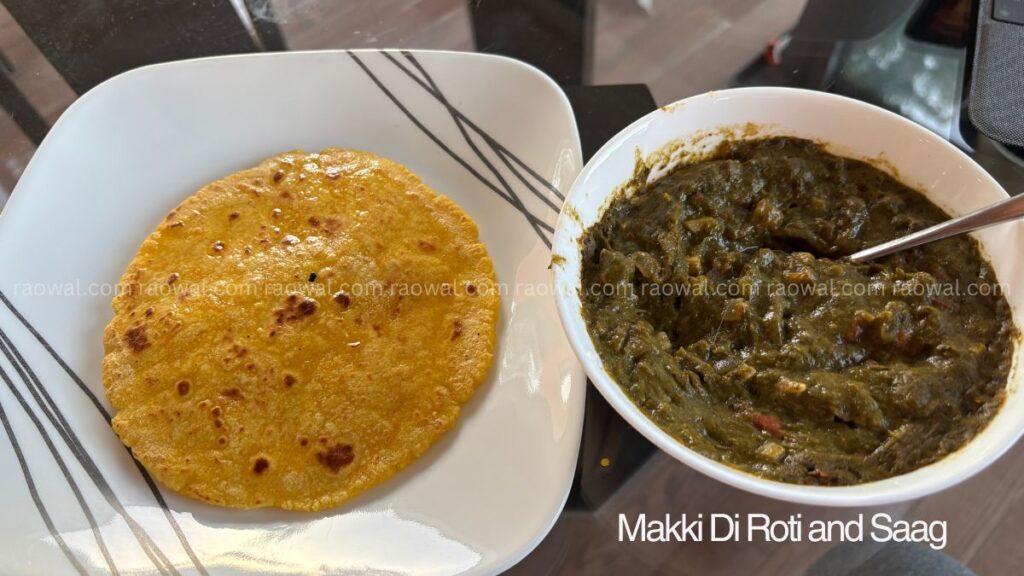
Food habits shift strongly in Maghar da mahina. People prefer warm dishes like saag, makki di roti, ghee, halwa, peanuts, sesame seeds, and jaggery. These foods give energy and help keep the body warm. Because of the cold and dry air, many people catch colds or coughs.
Drinking warm water and herbal tea has become common. Health routines also change to avoid dryness and cold weather. Families prepare traditional home remedies to stay healthy.
Market Changes
Markets transform during Maghar Da mahina. Shops start selling winter clothes, blankets, heaters, and warm footwear. Street vendors offer hot snacks and nuts. Prices of winter items often rise, especially woollen clothing and dry fruits.
Markets stay busy during the daytime when the weather is comfortable. People buy items to prepare for the upcoming colder months. Seasonal vegetables and fruits are also commonly sold.
Daily Routines in Maghar
People follow a different routine in Maghar Da Mahina. Mornings start slowly because of cold weather. Many households enjoy warm tea before beginning their day. Work and school schedules shift slightly due to fog and short daylight.
Evenings are spent indoors watching TV, cooking warm meals, or sitting under blankets. People sleep earlier as nights feel longer and colder. This slow and cozy routine matches the winter environment of Maghar.
Travel During Maghar Month
Travel becomes slightly difficult in Maghar because of dense fog. Roads may become unclear, which slows down driving. Flights and trains can also face delays. Still, winter travel has its charm because the weather stays cool and pleasant during the day.
Many people plan small trips during this month. However, they must stay careful during early morning or late evening travel when the fog is heavier.
School and Work Life
Schools start using winter uniforms in Maghar. Students may have exams, tests, or special winter activities. Teachers adjust schedules because it becomes hard to start very early in the morning. Workplaces also experience changes.
Outdoor labour decreases during cold times of the day. People take short breaks to drink hot tea. Employees prefer reaching home early before the temperature drops at night. This month creates a slower working atmosphere.
Why Is Maghar Important in General Knowledge?
Maghar da mahina is important because it teaches us about seasonal patterns. It shows how people adapt their lives to weather changes. It helps us understand farming cycles and how winter crops grow. Maghar also influences markets, health routines, food habits, and clothing.
Learning about this month gives a clear picture of life in Punjab during early winter. This makes it useful for students and anyone studying seasons or agriculture.
Conclusion
Maghar da mahina is an important part of the yearly cycle in Punjab. It brings cold weather, new farming work, warm food, and lifestyle changes. People adjust their daily routines to stay comfortable. Nature also changes through falling leaves, foggy mornings, and migrating birds.
Understanding Maghar is helpful because it explains how winter begins and how people prepare for it. This month gives a complete picture of early winter life in a simple and natural way.
FAQs: Maghar Da Mahina
1. What is Maghar da mahina?
Maghar da mahina is the ninth month of the Punjabi calendar. It usually falls from mid-November to mid-December in the modern calendar. This month marks the shift from mild weather to proper winter. Days start becoming shorter, and nights become longer.
People begin using warm clothes, blankets, and heaters during this time. Maghar is also known for foggy mornings and cold winds, which signal the arrival of winter in Punjab.
2. What season is Maghar?
Maghar falls in the early winter season. The weather becomes cold, and temperatures drop every week. Fog appears more often, especially in the mornings and evenings.
The air becomes dry, and the sunlight feels weaker. People make changes in their daily routine to stay warm during this month. Maghar sets the tone for the stronger winter that comes later.
3. What happens in farming during Maghar?
Maghar is an important month for farming. It is the main growth period for wheat, mustard, pea, and other winter crops. Farmers check their fields regularly to make sure the crops are healthy. They may add water through irrigation if there is no rainfall.
Young plants need proper care during this month because the cold weather affects growth. A good Maghar season helps farmers prepare for a successful harvest in the next months.
4. What foods are common in Maghar?
People prefer warm and energy-rich foods during Maghar Da Mahina. Popular choices include jaggery, peanuts, sesame seeds, saag, makki di roti, ghee, and different types of soups.
These foods help the body stay warm and strong in cold weather. Many families also make winter snacks like roasted nuts and til sweets. Hot tea and milk become part of daily life during this month.
5. Why does Maghar Da Mahina matter?
Maghar Da Mahina matters because it marks the true beginning of winter. It affects the climate, farming, markets, food habits, and health. People change their routines, clothing, and daily activities to adjust to the cold.
Farmers depend on this month for the growth of important crops. Understanding Maghar helps explain how winter starts and how it impacts life in Punjab every year.

Harman is a proud native of Raowal. With a deep-rooted connection to the land and its people, we contribute stories, updates, and insights that reflect the true spirit of Raowal. Our website aims to keep people connected to their heritage and village while showcasing the beauty of village life to the wider world. Especially people from the village Raowal who live abroad.