Katak da mahina is one of the most important months in the Punjabi calendar. It is filled with festivals, spiritual rituals, and cultural traditions. This month is deeply linked with Sikh and Hindu history. Families come together, lamps are lit, and prayers are offered. It is a time of joy, devotion, and unity.
Understanding Katak Month
Katak is the eighth month of the Nanakshahi calendar, used by Sikhs. It usually falls between mid-October and mid-November in the English calendar. In Punjabi culture, Katak is seen as a turning point in the year. The season changes, crops are harvested, and communities prepare for winter.
This month has roots in both spiritual and cultural life. Many festivals that people look forward to all year are celebrated during Katak.
Spiritual Importance of Katak
Katak is considered a sacred month. It is mentioned in Sikh scriptures as a time for devotion and reflection. Many hymns guide people to use this month to remember God. It is believed that good deeds, prayers, and service done in Katak bring peace to the soul.
The month reminds people about truth, compassion, and light. It teaches the value of remembering the divine in daily life.
Festivals in Katak Month
Katak is one of the busiest months for celebrations. Major festivals include:
Diwali (Festival of Lights)
Bandi Chhor Divas (Day of Liberation)
Guru Nanak Dev Ji’s Gurpurab (Birth anniversary)
Each of these carries deep cultural and religious significance.
Diwali During Katak
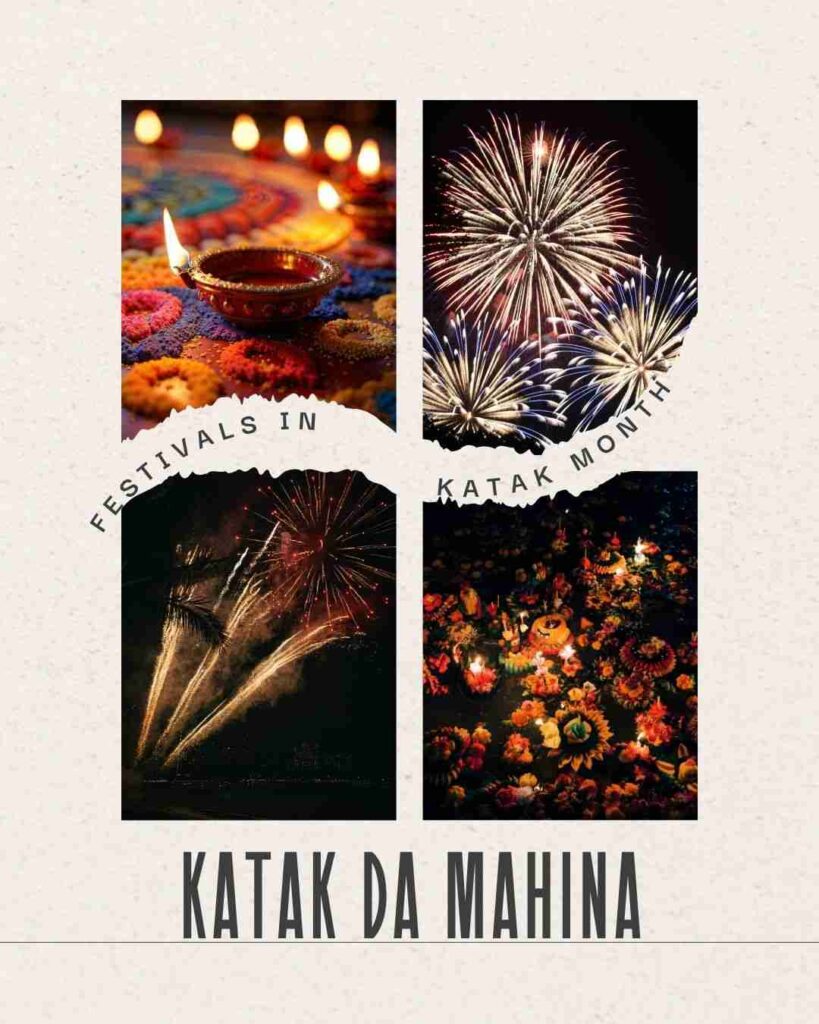
Diwali is perhaps the most famous festival of Katak. For Hindus, it marks the return of Lord Rama to Ayodhya after defeating Ravana. Families decorate homes with lights, perform Lakshmi puja, and celebrate with sweets.
For Sikhs, Diwali in Katak has a different meaning. It marks the release of Guru Hargobind Ji from prison. The Harmandir Sahib in Amritsar is decorated with thousands of lamps, creating a stunning view.
People also burst firecrackers, share meals, and visit friends. It is a festival of joy and togetherness.
Bandi Chhor Divas
Bandi Chhor Divas, meaning “Day of Liberation,” falls on the same day as Diwali. Guru Hargobind Ji was freed from Gwalior Fort along with 52 other kings. This event is remembered as a symbol of justice and freedom.
Sikhs celebrate this day with prayers, kirtan, and langar. The Golden Temple shines with lights, attracting pilgrims from around the world. The festival reminds people of the importance of selflessness and standing up for others.
Guru Nanak Dev Ji’s Gurpurab
Another highlight of Katak is the birth anniversary of Guru Nanak Dev Ji, the founder of Sikhism. This festival usually falls toward the end of Katak.
Celebrations start with Akhand Path (continuous reading of Guru Granth Sahib). Processions with hymns and music fill the streets. Gurdwaras are decorated with lights and serve langar to all.
The teachings of Guru Nanak Ji—equality, humility, and devotion—are remembered and practiced. For Sikhs worldwide, this Gurpurab is one of the most important days of the year.
Other Regional Festivals in Katak
In Punjab and other regions, Katak is also a time for local fairs and melas. Villages organize gatherings with folk music, dances, and stalls. Communities bond through cultural events. These small festivals may not be as famous as Diwali or Gurpurab, but they keep traditions alive.
Religious Rituals of Katak
During Katak, many people engage in spiritual practices. Some fast or meditate. Others spend extra time in gurdwaras or temples. Charity, also known as daan, is an important ritual. Helping the poor and feeding the needy is believed to bring blessings.
Even small acts of kindness, like lighting a lamp or reciting prayers, are seen as powerful during Katak.
Cultural Traditions of Katak
Apart from rituals, cultural traditions add charm to Katak. Families light diyas and candles every evening. Special meals are prepared, often including sweets like ladoos and jalebis. Elders share stories from Sikh and Hindu history with children. Folk songs about the season are sung in villages, keeping heritage strong.
Lifestyle Practices in Katak
Katak da mahina also influences daily life. The weather turns cooler, so people wear warmer clothes. Seasonal foods like sarson da saag, jaggery, and peanuts become popular. Farmers finish harvesting and celebrate the fruits of their labour.
Families clean and decorate their homes, preparing for festivals. This routine creates a fresh, festive environment.
Weather in Katak
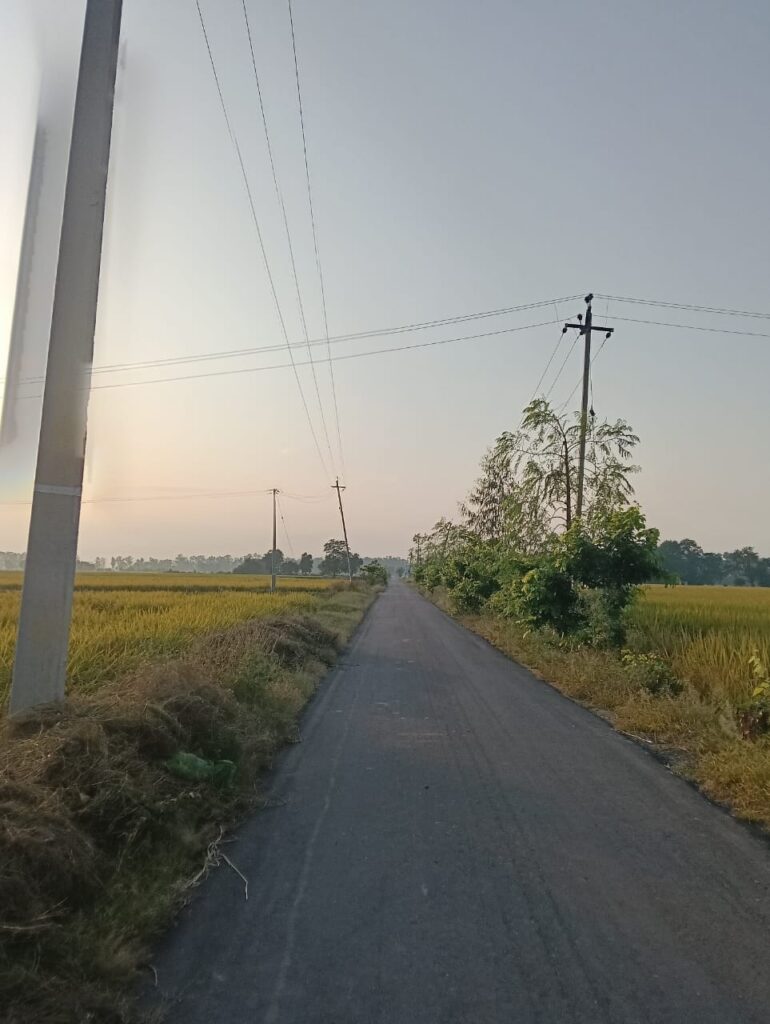
The weather in Katak changes noticeably. Hot summer days slowly fade, and the air turns crisp and cool. Evenings become pleasant, and nights grow colder. People begin to wear shawls, sweaters, and light woollens. The clear skies make the nights perfect for lighting lamps and watching stars. This seasonal shift adds to the festive mood, making Katak feel refreshing and lively.
Katak in Sikh History
Katak da mahina has a deep connection with Sikh history. Events like the release of Guru Hargobind Ji and the birth of Guru Nanak Dev Ji give this month great importance. These milestones shaped Sikh values of freedom, equality, and faith. Remembering them during Katak strengthens cultural identity.
Symbolism of Light in Katak
One of the strongest symbols of Katak is light. Diyas, candles, and lamps are central to celebrations. Light represents knowledge, hope, and the victory of truth over darkness. Whether in homes or gurdwaras, the glow of lamps brings peace and positivity.
Katak in Modern Times
In modern life, Katak is still celebrated with enthusiasm. Technology adds new styles, with online greetings and virtual prayers. Diaspora communities around the world also celebrate with the same passion. While firecrackers may be less due to awareness of pollution, the spirit of light and togetherness remains strong.
People continue to balance modern lifestyles with traditional rituals, keeping Katak alive for the next generations.
Conclusion
Katak da mahina is a month of faith, celebration, and unity. It combines festivals like Diwali, Bandi Chhor Divas, and Guru Nanak Dev Ji’s Gurpurab. Families, communities, and entire cities come together to light lamps, share meals, and remember spiritual teachings.
The rituals and traditions of Katak are not just about the past. They guide people today to live with compassion, truth, and love. This is why Katak remains a special month in Punjabi and Sikh culture.
FAQs: Katak Da Mahina
1. What is Katak Da Mahina?
Katak da mahina is the eighth month of the Punjabi calendar. It usually falls between mid-October and mid-November and is full of important festivals.
2. Which festivals fall in Katak?
Major festivals in Katak are Diwali, Bandi Chhor Divas, and Guru Nanak Dev Ji’s Gurpurab.
3. Why do Sikhs celebrate Diwali in Katak?
Sikhs celebrate Diwali as Bandi Chhor Divas, marking the release of Guru Hargobind Ji and 52 princes from Gwalior Fort.
4. When does Katak da mahina start in the English calendar?
Katak usually begins around mid-October and ends in mid-November.
5. How do families celebrate Katak today?
Families celebrate by lighting lamps, preparing special meals, visiting gurdwaras or temples, and spending time together in devotion.

Harman is a proud native of Raowal. With a deep-rooted connection to the land and its people, we contribute stories, updates, and insights that reflect the true spirit of Raowal. Our website aims to keep people connected to their heritage and village while showcasing the beauty of village life to the wider world. Especially people from the village Raowal who live abroad.