Punjab is a land rich in traditions, culture, and spirituality. Each month in the Punjabi calendar holds a special meaning. One such month is Assu month, also called Assu Da Mahina. It carries deep connections with farming, religion, and daily life. People in villages and cities still follow its rhythm.
This month stands out because it signals a shift in seasons, brings important festivals, and has historical as well as spiritual value. For farmers, it is the time of harvesting crops and preparing for the next season.
For devotees, it is a reminder to strengthen their faith. For families, it becomes a month of change and togetherness. To truly understand Punjab, one must understand the role of Assu.
Understanding the Punjabi Calendar
Difference Between Solar and Lunar Calendars
The Punjabi calendar is unique because it takes inspiration from both the solar and lunar systems. The solar calendar is based on the movement of the sun, while the lunar calendar follows the moon’s cycles. This combination creates months that are closely tied to natural changes.
Unlike the modern English calendar, the Punjabi months are influenced by weather, harvest, and traditional practices. That is why a month like Assu does not always match the dates of September or October exactly.
It flows according to the natural world, which makes it more meaningful for people who depend on agriculture and seasonal rhythms.
The Role of Nanakshahi Calendar
To bring more uniformity and clarity, the Nanakshahi calendar was introduced in Sikhism. This calendar is named after Guru Nanak Dev Ji, the founder of Sikhism, and it begins from the year of his birth. According to this calendar, Assu is recognized as one of the twelve months.
It usually begins around September 15 and ends around October 15. The Nanakshahi calendar not only helps in fixing important Sikh events but also preserves the traditional essence of the Punjabi calendar. Marking Assu clearly, it allows Sikhs and Punjabis across the world to celebrate the same festivals together.
What is Assu Month?
Assu Da Mahina in the Punjabi Calendar
Assu is the seventh month in the Punjabi calendar. It follows Bhadon (a rainy month) and comes before Katak (a spiritually significant month with Diwali and Bandi Chhor Divas). Assu is a turning point in the year. It is the month when the heavy rains and humidity of Bhadon fade away, making way for clear skies and gentle winds.
People in Punjab eagerly wait for Assu because it marks the beginning of a comfortable season, when farming activities become more manageable and celebrations fill the air.
Duration of Assu
The duration of Assu usually falls between mid-September to mid-October. While the exact dates may shift slightly, the period remains the same.
This timing is important because it aligns with the harvest of summer crops and the preparation for winter sowing. For this reason, Assu is often seen as a “bridge month,” connecting two important agricultural seasons.
Position in the Year
Assu is considered the gateway to autumn. It marks the end of the harsh summer and rainy days, leading into cooler, more pleasant weather. This makes it a month of balance—neither too hot nor too cold.
Families begin adjusting their daily routines, farmers prepare for harvest, and religious activities take on a new spirit. In many ways, Assu resets the rhythm of life in Punjab.
Cultural Importance of Assu
Connection with Harvest and Agriculture
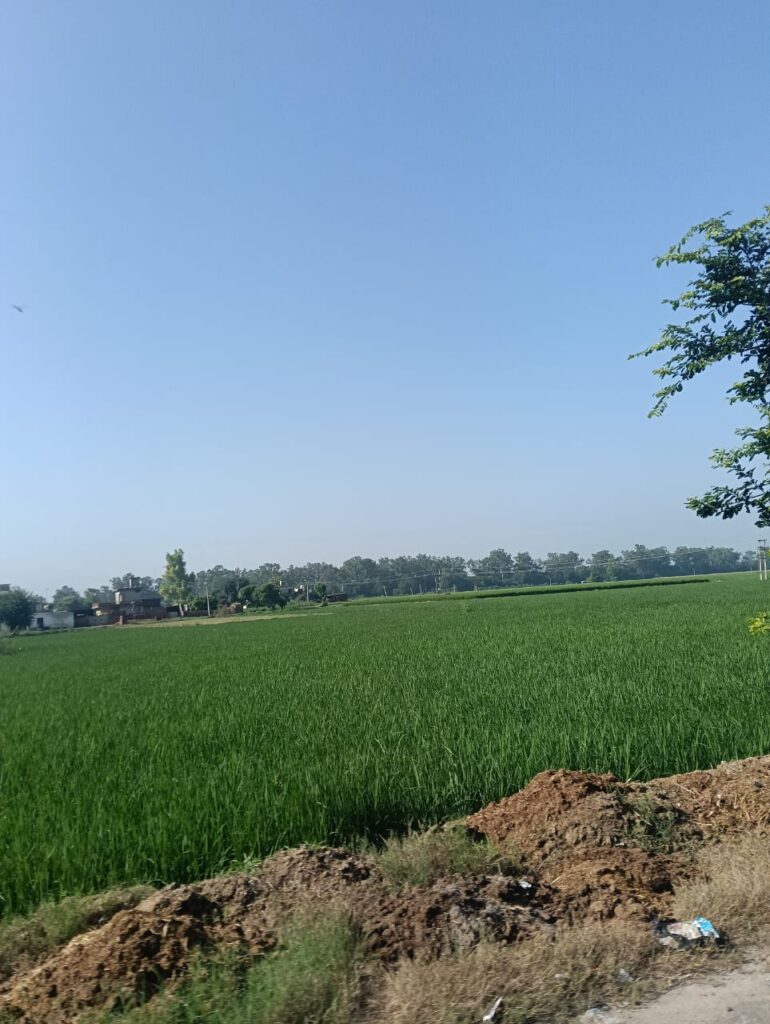
Punjab is famously called the “breadbasket of India,” and farming is at the heart of its culture. During Assu, farmers prepare to harvest rice, which is one of the most important crops in Punjab. The golden paddy fields create a beautiful sight across the countryside.
Villages are filled with the sound of sickles, tractors, and joyful songs as farmers reap the rewards of their hard work. This harvest is not only about food—it is also about prosperity, security, and tradition. Families celebrate the arrival of fresh grain with special dishes and rituals.
Changing Seasons in Punjab
Assu also marks the start of seasonal change. The hot and sticky days of summer slowly give way to cool evenings and crisp mornings. The heavy rains that make life difficult in Bhadon are gone. Instead, Assu brings pleasant winds that refresh the air.
People begin preparing their homes for winter, repairing roofs, and storing grains. This shift in weather influences not only farming but also the way people live, eat, and dress.

Religious Significance of Assu
Sikh Gurus and Assu Month
Assu Da Mahina holds a special place in Sikh history. Many events related to the lives of the Sikh Gurus are remembered during this month.
Gurdwaras across Punjab and the world organize kirtans, prayers, and processions. These gatherings create a spiritual atmosphere that unites the community.
Important Sikh Historical Events
Several Gurpurabs (birth or death anniversaries of Sikh Gurus) fall in Assu. For example, anniversaries of Guru Ram Das Ji and Guru Arjan Dev Ji are often observed during this time.
Historical Sikh battles and important milestones in the faith are also remembered. These events are not just rituals; they are reminders of sacrifice, courage, and devotion.
Gurbani Mentions of Assu
In Barah Maha (the “Twelve Months” bani written by Guru Arjan Dev Ji), every month is described with a spiritual message. Assu is described as a month when the soul connects deeply with the Creator.
Gurbani explains that those who remember God in this month experience peace, joy, and divine love. This teaching transforms Assu into more than just a seasonal change—it becomes a time for inner reflection and spiritual growth.
Festivals in Assu Month
Gurpurabs in Assu
Gurpurabs are celebrated with great devotion in this month. Sikhs gather at Gurdwaras, listen to kirtan (devotional hymns), and take part in langar (community kitchen). These celebrations are not limited to Punjab but are observed worldwide. The spirit of Assu is carried across oceans, uniting Sikh communities globally.
Other Punjabi Festivals
Besides Gurpurabs, some folk traditions and village fairs also take place during Assu. These festivals reflect the joy of harvest and the bond people share with their land. Melas (fairs) bring together music, dance, and food, showing the colorful culture of Punjab.
Lifestyle Changes in Assu
Weather Patterns in Punjab
The weather in Assu is one of its biggest attractions. Days become shorter, nights longer, and the air is cooler. Farmers and workers find it easier to spend long hours in the fields. Families enjoy evenings outdoors, with the cool breeze adding to the comfort of daily life.
Food and Eating Habits
Food habits begin to change during Assu. After the light meals of summer, people slowly shift to richer diets. Seasonal fruits like guavas and vegetables like spinach begin to appear.
Families start preparing traditional dishes with fresh rice, ghee, and pulses. Assu also marks the time when people begin storing pickles, grains, and pulses for the coming winter.
Clothing and Living Style
In Assu, clothing also begins to change. While cotton clothes still dominate, people slowly start bringing out light woolens for cool nights. Families prepare bedding and warm blankets for the upcoming winter. Villages often hold bonfires in the evenings, where people gather, sing folk songs, and share stories.
Agricultural Practices During Assu
Crops Harvested in Assu
Rice is the main crop harvested during this month. For farmers, the sight of golden fields is both rewarding and hopeful. Along with rice, some vegetables and pulses are also harvested. These crops bring financial stability to households and ensure food security.
Preparation for Winter Season
Assu is also the time when farmers begin preparing for wheat sowing. They plough fields, clean irrigation channels, and store grains from the harvest.
This preparation ensures a smooth transition into the winter cropping season. The hard work of Assu sets the foundation for the prosperity of the months that follow.
Assu in Gurbani and Spiritual Teachings
Lessons from Gurbani on Assu
Gurbani teaches that Assu is a month of love and devotion. Guru Arjan Dev Ji describes it as a time when the soul should surrender itself to God.
Just as farmers sow seeds with faith, devotees are encouraged to plant the seeds of devotion in their hearts. By doing so, they will reap peace and spiritual strength.
Spiritual Reflections for People
For ordinary people, Assu becomes a reminder that life is full of seasons. Just as nature moves from heat to coolness, human life also shifts through struggles and relief. Remembering God during Assu is seen as a way to find balance and stay hopeful even in difficult times.
Comparisons with Other Months
How Assu Differs from Bhadon
Bhadon is known for its heavy rains, muddy roads, and humid days. It is often seen as a challenging month for farmers and families. Assu, on the other hand, clears away the troubles of Bhadon. With cooler winds and dry skies, it brings relief. This contrast makes Assu more enjoyable.
Assu and Katak Connection
Katak follows Assu and is filled with religious festivals like Diwali and Bandi Chhor Divas. Assu prepares people for these big events. It is like a calm before the storm of celebrations, giving families time to harvest, prepare, and plan.
Assu in Modern Punjab
Urban vs Rural Understanding
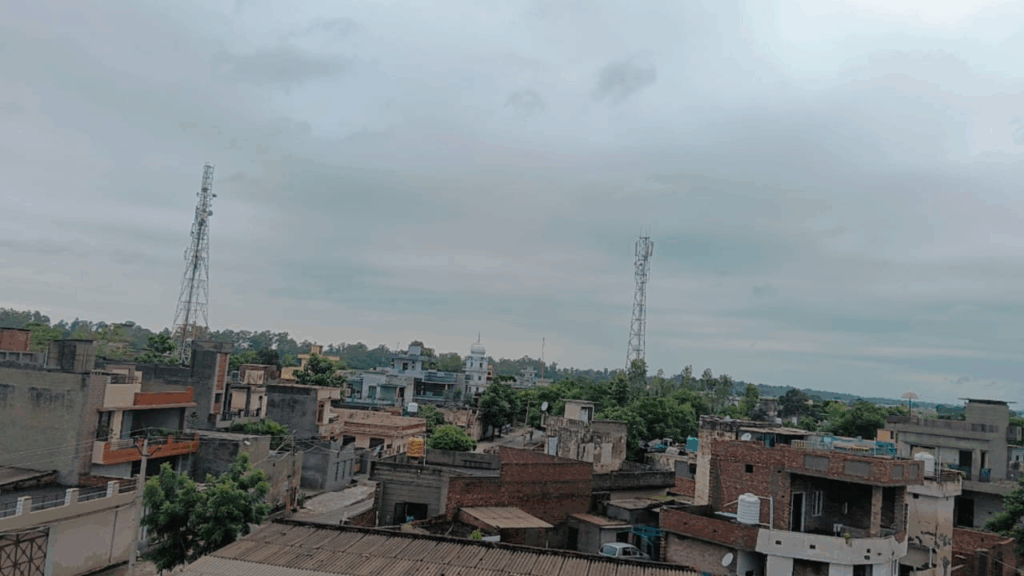
In rural areas, people live closely with the Punjabi calendar. They still look to the sky, the crops, and traditions to guide their daily lives. In urban areas, people may follow the English calendar more strictly.
Yet, Assu remains alive through religious events, cultural practices, and family traditions. Even in cities, Gurdwaras remind everyone of its importance.
Celebrations Today
Modern celebrations of Assu often mix tradition with technology. Social media platforms spread awareness of Gurpurabs and festivals.
Families share greetings online while still gathering in person at Gurdwaras. This blending of old and new ensures that Assu continues to be relevant in today’s fast-paced world.
Folklore and Sayings about Assu
Common Punjabi Proverbs
Punjabi culture is full of sayings about Assu. Elders say,
“Assu de mahine di hawa, rog kadh ke lai jandi aa” – meaning the cool winds of Assu drive away sickness.
These sayings highlight the healing and refreshing nature of the month.
Lessons from Folklore
Folk wisdom reminds people of the close relationship between human life and nature. The stories and sayings about Assu teach that balance, patience, and gratitude are important values. Just as Assu brings relief after hardship, life also brings peace after struggle.
Why Assu Still Matters Today
Connection to Heritage
Even with modernization, Assu continues to connect people with their roots. It carries memories of farming traditions, folk songs, and religious gatherings. It reminds Punjabis worldwide of their cultural identity.
Impact on Daily Life
In daily life, Assu changes what people eat, wear, and celebrate. It shapes farming practices, family routines, and community gatherings. Though centuries have passed, its role in Punjabi life remains unchanged. That is why Assu still matters today.
Conclusion
Assu month is not just another part of the Punjabi calendar. It is a season of transition, a time when farmers harvest with joy, families prepare for winter, and devotees grow closer to God. The cultural, agricultural, and spiritual aspects of Assu make it special.
From the golden fields to the hymns in Gurdwaras, every part of Assu reflects the soul of Punjab. It is a reminder that even as times change, traditions continue to guide us. That is why Assu Da Mahina remains important, not only in Punjab but wherever Punjabis live across the globe.
FAQs: Assu Month
1. When does the Assu month start and end?
Assu usually starts around September 15 and ends around October 15. The exact dates may shift slightly each year.
2. Why is Assu important for farmers?
It is harvest time for rice and also a period for preparing fields for wheat sowing, making it crucial for Punjab’s agriculture.
3. What does Gurbani say about Assu?
Gurbani describes Assu as a month of devotion and peace. Remembering God during this time brings joy and spiritual strength.
4. How is Assu different from Bhadon?
Bhadon is rainy and humid, often difficult for farming. Assu brings cooler, drier weather, making it more comfortable for work and celebrations.
5. Do people still celebrate Assu today?
Yes, Gurdwaras, families, and villages still celebrate Assu with Gurpurabs, fairs, and cultural traditions. Even in modern times, its value continues.

Harman is a proud native of Raowal. With a deep-rooted connection to the land and its people, we contribute stories, updates, and insights that reflect the true spirit of Raowal. Our website aims to keep people connected to their heritage and village while showcasing the beauty of village life to the wider world. Especially people from the village Raowal who live abroad.