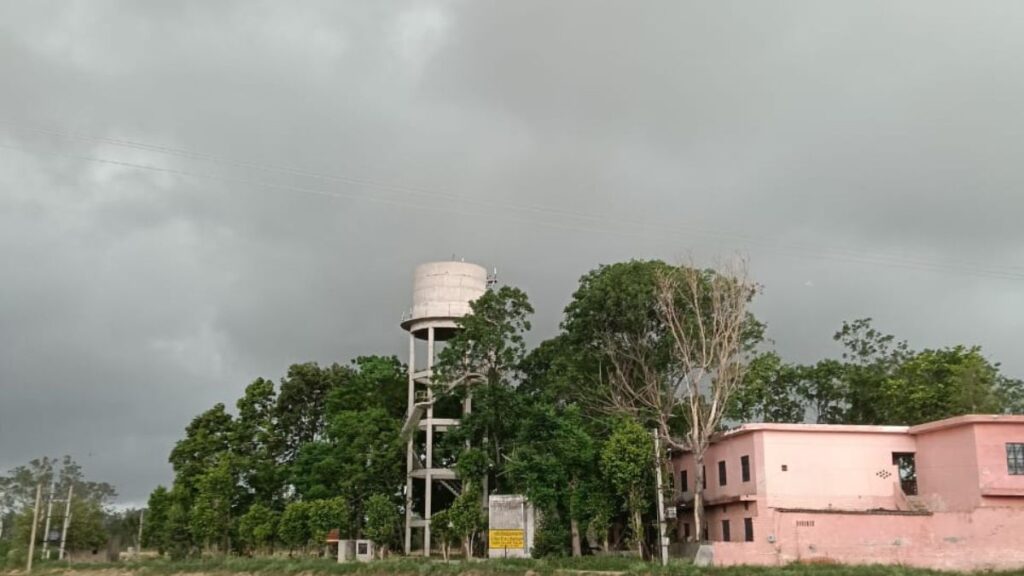
Punjab is a land known for its strong connection to nature. Each month brings its own charm. But one month stands out the most—Bhadon Da Mahina. It is more than a time on the calendar. It is an emotion. It changes how the land looks, how the people feel, and how life moves.
When the rains pour down, the fields bloom, rivers flow full, and hearts feel alive. Bhadon is not just a month. It is Punjab in its most beautiful form.
Understanding the Month of Bhadon
When is Bhadon Observed?
Bhadon falls between mid-August to mid-September. It follows Sawan, the fifth month of the Punjabi calendar. As the sixth month, Bhadon marks the peak of the monsoon season. This time is often considered the most vital for nature and farming.
The rains are stronger, and the sky is usually cloudy. The air is filled with the smell of wet soil. People in both cities and villages feel the shift in weather.
Bhadon in the Punjabi Calendar
The Punjabi (Desi) calendar is deeply linked to agriculture and seasons. Bhadon plays a big role. It’s the time when crops grow the most. Every farmer waits for it. It is considered a turning point in the year’s farming cycle.
With the right balance of rain and warmth, plants get the best environment to thrive. The importance of this month goes beyond weather—it’s about survival, celebration, and culture.
Cultural Importance of Bhadon
Bhadon has strong roots in Punjabi culture. It brings together music, dance, farming, and spiritual feelings. In stories, songs, and poems, Bhadon is often used to describe deep emotions. Lovers separated by distance, women singing songs under trees, and farmers praying for rain—all become part of Bhadon’s story. The month creates a connection between people and their land.
Bhadon and the Weather
Monsoon Showers in Bhadon
Bhadon is known for heavy and consistent rainfalls. While Sawan has lighter, scattered showers, Bhadon brings more water. The rains are long and strong. Sometimes it rains for days without a break. Thunderstorms and lightning become common.
This rain gives life to plants and crops. It also cools down the hot summer that Punjab had just experienced. People enjoy sitting on porches, watching the rain, and sipping hot tea.
Impact on Environment
As soon as the rains begin, the entire environment transforms. Dust from summer disappears. Trees get a fresh coat of green. Grass grows on every open patch of land. The temperature drops slightly, and the air becomes thick with moisture.
The skies are often gray, but everything below is bright and full of life. This change is not just physical. It brings emotional comfort too. People feel calmer, more connected to nature.
How the Landscape Changes
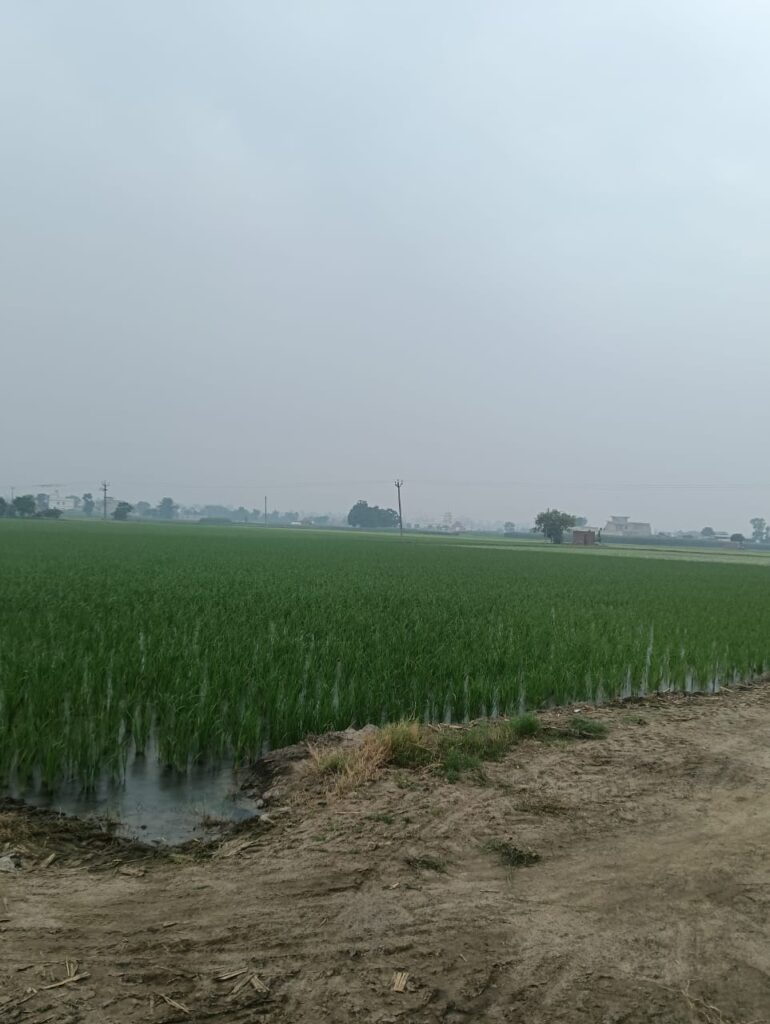
Bhadon creates a painting of green, blue, and brown. Fields stretch endlessly, covered in green rice plants. Rivers overflow with fresh water. Small ponds fill up. The roads may get muddy, but the beauty around makes up for it.
Hills (like in the Shivalik area) become misty and magical. Birds, insects, and animals become more active. Even the air smells different—fresh, wet, and clean.
Agriculture and Bhadon
Boost in Crop Growth
For farmers, Bhadon is one of the most important months of the year. It brings just the right amount of water needed for rice fields. The young paddy plants start to shoot up fast. Their roots become stronger. Leaves widen and catch sunlight better.
Without the Bhadon rains, paddy growth would be slow or even fail. That’s why farmers celebrate this month even while working hard in wet fields.
Paddy Fields Come to Life
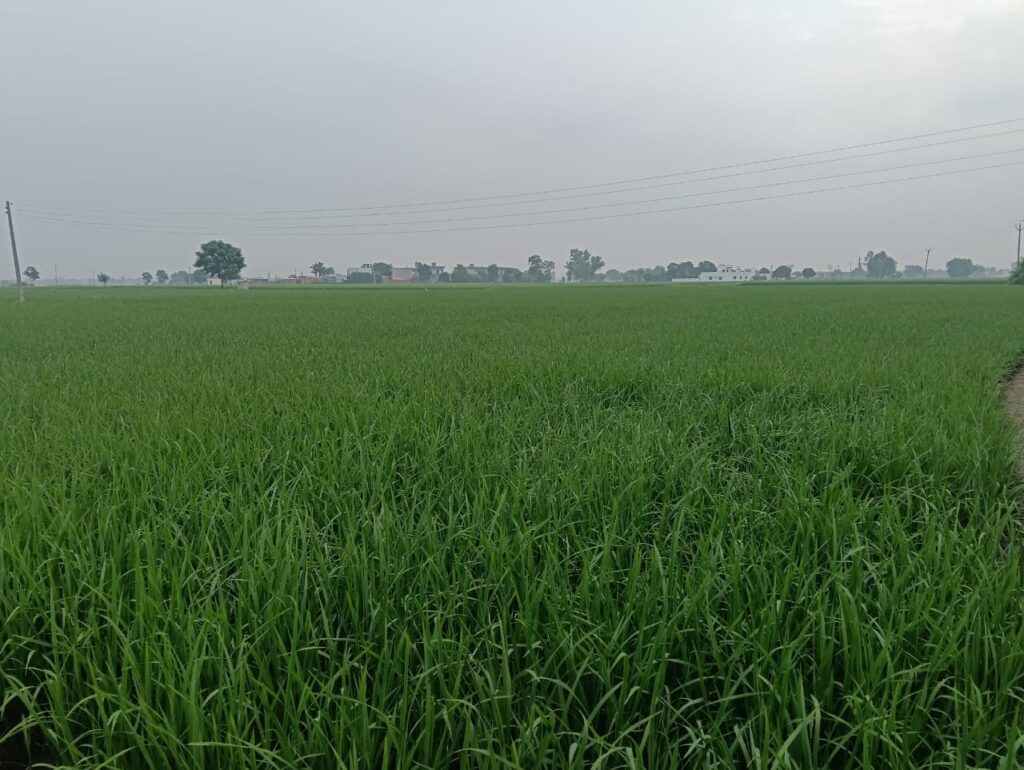
When you look at a rice field during Bhadon, you’ll see tall green plants swaying with the wind. The water in the fields reflects the sky above. It looks like a mirror of nature. Small frogs jump around. Birds fly over the fields. Even buffaloes enjoy sitting in the cool water. This scene is peaceful and powerful. It shows the deep relationship between land and life in Punjab.
Farmers and Their Busy Days
Farmers have no time to rest during Bhadon. They wake up before sunrise. They check water levels, clear weeds, and make sure their fields are healthy. They also face challenges like too much water or pests. Still, they keep going. Their work is full of hope. Each drop of rain feels like a blessing to them. Their clothes are muddy, but their hearts are full.
Natural Beauty of Punjab in Bhadon
Greenery Everywhere
You can see green fields, green trees, green bushes—green everywhere. The dust from summer is gone. Flowers bloom on the roadsides. Even unused land turns into a small jungle. It feels like nature is putting on a fresh dress. This greenery is not just for the eyes. It also cleans the air and brings health to the land.
Rivers and Canals Overflow
Punjab has many rivers like the Satluj, Beas, and Ravi. During Bhadon, these rivers carry more water than usual. Canals that feed water to villages also get full. Kids enjoy playing near the banks. But people also stay careful because the water flows fast. Sometimes, the beauty turns dangerous when water levels rise too high.
Birds and Wildlife Return
Bhadon is a festival for animals too. Birds like peacocks, parrots, and mynahs return. You can hear their calls from morning to night. Frogs croak from ponds. Butterflies fly over flowers. Even snakes and insects become more active. Nature is full of life. The forests and fields seem to sing with joy.
Festivals and Traditions
Teeyan – Celebrating Daughters
One of the biggest festivals during Bhadon is Teeyan. It is a celebration of daughters and women. Girls go to their parents’ home. Swings are tied to trees. Women wear bright clothes and gather to sing, dance, and eat together. It’s a time of love and joy. The festival shows how important daughters are in Punjabi families.
Singing Boliyan and Giddha
No celebration in Punjab is complete without dance. During Bhadon, women perform Giddha, a lively group dance. They sing Boliyan, short, funny, and emotional songs. These songs talk about love, marriage, in-laws, and more. The sound of clapping, laughter, and singing fills the air.
Bhadon-Related Folk Songs
Many old songs mention Bhadon. These songs describe rain, love, longing, and separation. A common theme is the husband working far away while the wife waits in the rain. These songs are rich in emotion and often passed down through generations.
Bhadon in Punjabi Literature and Songs
Poetry of Love and Longing
Punjabi poets like Warish Shah, Bulleh Shah, and Shiv Kumar Batalvi often mention Bhadon. The month is seen as a time of both happiness and sadness. Lovers miss each other. The rain makes the feeling deeper. The sound of rain becomes a song of waiting hearts.
Mention in Folk Stories
Popular love stories like Heer-Ranjha and Mirza-Sahiban often have scenes set during Bhadon. Rain becomes a part of their emotional journey. It shows how nature feels the pain and joy of people.
Emotional Touch in Songs
Punjabi songs—both old and new—use Bhadon as a theme. Singers describe watching raindrops fall, thinking about someone far away. The month becomes a symbol of the heart’s weather.
Village Life During Bhadon
Daily Life in Rural Punjab
In villages, people adjust their work based on rain. When it rains, they stay inside and cook fresh food. When it stops, they rush to the fields. Children play in the mud, women gather near hand pumps, and men talk about the crops. Life moves slowly but surely.
Social Gatherings and Celebrations
People use free time to visit neighbors, share food, and tell stories. Even weddings and religious functions happen during Bhadon. The sound of dhol and shehnai can often be heard from far.
Role of Women During Bhadon
Women do a lot during Bhadon. They cook, take care of kids, help in the fields, and even manage home gardens. They also keep the home clean during rainy messes. Their strength holds the house together.
Food and Flavors of the Season
Because of the humidity, people prefer light meals. Rice and lentils, curd, and kichdi are common. These dishes are easy to digest and good for the stomach.
Markets fill up with ladyfinger (bhindi), gourd (tinda), guava, and mangoes. These are tasty and full of nutrients. People also grow herbs like mint and coriander in kitchen gardens.
Traditional Punjabi Dishes
Families enjoy dishes like Pakoras (fried snacks), Kadhi (yogurt-based curry), and Sarson da Saag. These meals bring warmth and comfort, especially when eaten with roti and white butter.
Spiritual Significance
Sikh Calendar and Events
The Barah Maha, a poetic composition in the Guru Granth Sahib, talks about each month. Bhadon is described as a time of deep longing for the divine. It teaches people to turn inward and reflect on their journey.
Connection to Nature and Soul
Rain reminds people that just like fields need water, souls need spiritual love. People find peace in prayer, meditation, and visiting Gurdwaras.
Visiting Gurdwaras
During Bhadon, many people attend Akhand Paths, do Seva, and join in Kirtan. Langar is shared with joy. The spirit of togetherness grows stronger.
Bhadon and Health
Common Seasonal Illnesses
Rain brings mosquitoes, flu, and stomach infections. People often catch cold, fever, or get rashes. Cleanliness becomes very important.
Herbal Remedies and Tips
Elders advise drinking ginger tea, turmeric milk, and warm soups. These boost immunity. Applying mustard oil on the skin also helps in staying warm.
Eating Light During Humid Weather
Doctors suggest avoiding fried food and street food. Eating home-cooked, fresh meals is the safest option. Staying hydrated is also key.
Impact on City Life
Cities face waterlogging. Roads get jammed. Buses and bikes slow down. People carry umbrellas and wear raincoats. Potholes appear on the roads. People rush to buy vegetables, rain gear, and medicine. Street vendors sell hot tea and snacks. Business stays active, even in the rain.
Local authorities clean drains, open blocked roads, and spread mosquito-killing sprays. Their work is hard, but it keeps the city safe.
Challenges of Bhadon
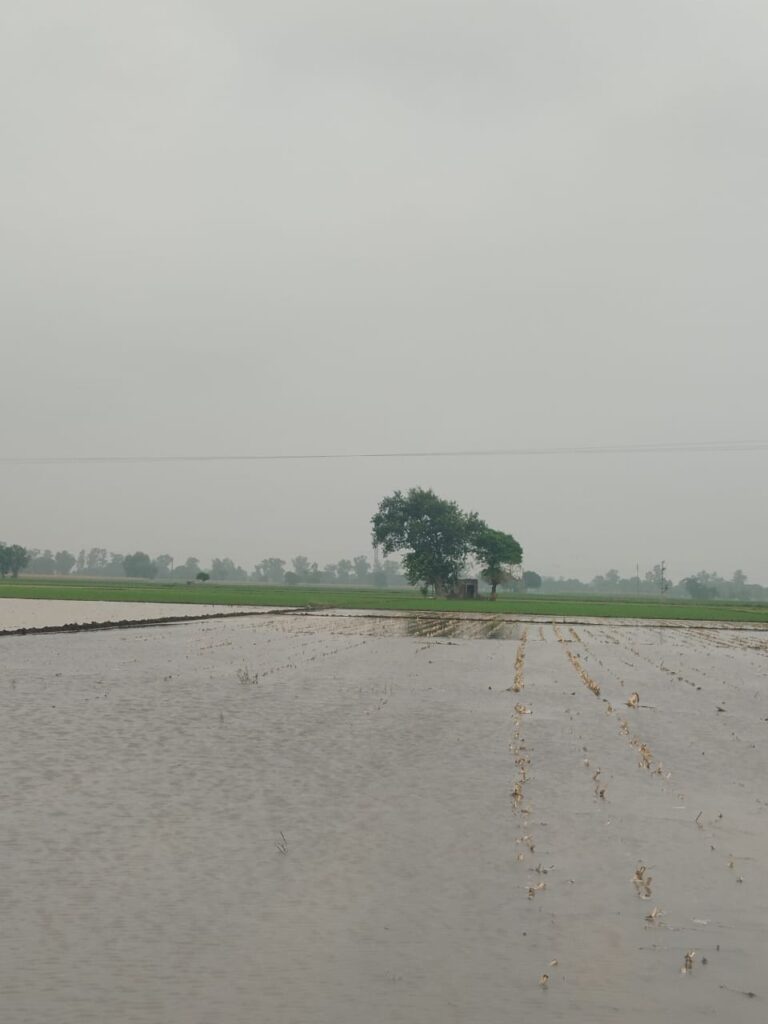
Too much rain causes floods. Homes, crops, and roads get damaged. People use sandbags and pumps to stay safe. Still water becomes a breeding ground. Diseases like dengue and malaria rise. Mosquito nets and sprays are used more often.
While rain is needed, too much can ruin crops. Roots rot, and plants fall. Farmers pray every day for balanced rain.
Comparing Bhadon with Other Months
No month brings such a mix of beauty, challenge, and emotion. Sawan (Saun) is playful, but Bhadon is deep. It connects land and heart. Nature blooms. People gather. Fields grow. Songs echo. Bhadon blends human and natural life perfectly.
Why Bhadon is Called Magical
People wait for Bhadon all year. It brings hope, love, growth, and reflection. That’s what makes it magical. Raindrops fall like music. Leaves dance. Hearts open. People feel alive again. That’s the magic of Bhadon.
Conclusion
Bhadon da Mahina is not just a season. It is a feeling that transforms land, life, and love in Punjab. From the smallest bird to the biggest river, everything dances in joy. Families come together. Farmers work harder. Songs become deeper. If there’s one month that truly defines Punjab, it’s Bhadon.
FAQs: Bhadon Da Mahina
1. What is the main significance of Bhadon in Punjab?
It is the peak of the monsoon. It helps crops grow and brings nature back to life.
2. Which festival is celebrated during Bhadon?
Teeyan is celebrated with swings, songs, and dances to honour daughters.
3. How does Bhadon affect farmers?
It gives water for rice crops but also brings the risk of floods.
4. What are some common foods eaten during Bhadon?
Light foods like kichdi, curd rice, pakoras, and fresh vegetables are popular.
5. Why is Bhadon called a magical month?
It brings rain, greenery, joy, emotion, and deep cultural meaning.

Harman is a proud native of Raowal. With a deep-rooted connection to the land and its people, we contribute stories, updates, and insights that reflect the true spirit of Raowal. Our website aims to keep people connected to their heritage and village while showcasing the beauty of village life to the wider world. Especially people from the village Raowal who live abroad.