Punjabi weddings are loud, colorful, and full of life. They are known for grand celebrations, emotional moments, and rich traditions. If you’ve ever been to one, you already know—it’s not just a wedding. It’s a festival!
But how long do these weddings really last? You may have heard of the “7-day celebration,” but is it true? Let’s dive into the details and find out the real timeline of a traditional Punjabi wedding.
What Makes Punjabi Weddings Unique?
Punjabi weddings are a mix of culture, tradition, and fun. From day one, you’ll see music, dance, bright clothes, big meals, and endless love. It’s not just about two people getting married. It’s about families coming together. Guests feel like family, and every person has a role. The celebrations are loud, emotional, and full of meaning.
How Many Days Does a Punjabi Wedding Last?
Traditionally, a Punjabi wedding spans over 7 days. However, the actual number of days can change based on the family, location, or even budget. These days in India wedding event is normally for 2-3 days, which includes Jago, Haldi or Mehndi Ceremony (Used to say Maiyaan in Punjabi).
Some weddings may be wrapped up in 3-4 days. Others, especially in villages or big families, may go beyond 7 days with many extra rituals and get-togethers.
Pre-Wedding Ceremonies (Days 1–3)
Let’s start with what happens before the actual wedding day.
Day 1 – Roka and Thaka
The Roka ceremony is like a formal announcement. The boy’s and girl’s families meet and agree to the marriage. Small gifts are exchanged. Sometimes, a prayer is done at home or in a Gurdwara. The Thaka is usually done by the boy’s side. They visit the girl’s house and bless her with gifts and sweets.
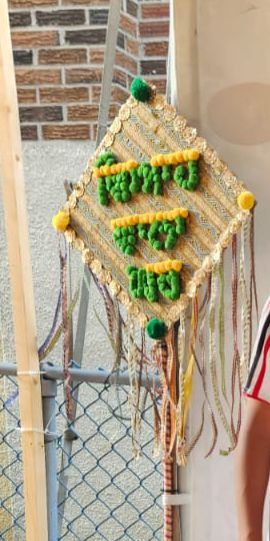
Day 2 – Jago (ਜਾਗੋ)
In a Punjabi wedding, Jago (ਜਾਗੋ) is one of the most vibrant and energetic pre-wedding ceremonies, celebrated with music, dancing, and the spirit of togetherness. The word “Jago” literally means “wake up” — symbolizing waking up the neighbourhood and community to join in the wedding festivities.
Jago is traditionally held a night or two before the wedding day. It is meant to awaken the family and community to celebrate the upcoming marriage. It’s especially popular in Punjabi Sikh and Hindu Punjabi weddings.
How Jago is Celebrated
Everyone dresses in colourful traditional Punjabi attire. Women often wear phulkari dupattas and lehngas, while men might wear kurta-pyjamas or sherwanis. The highlight is a decorated copper or brass pot (called Jago or Gaggar) lit with oil lamps or candles. The pot is placed on the head of the bride or groom’s aunt (mami or chachi), and women take turns carrying it on their heads while dancing.
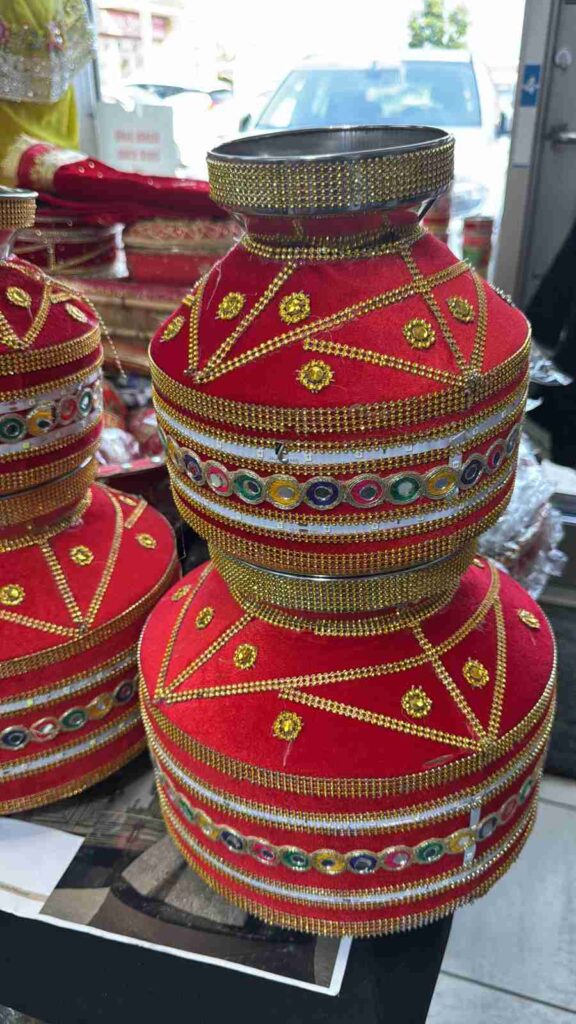
Traditional Punjabi folk songs and boliyan are sung. Dhol beats fill the air as everyone dances around the person carrying the Jago pot. The family may even go to neighbours’ houses to dance, inviting them to the wedding. Snacks, sweets, and drinks are served. The atmosphere is full of joy, with laughter, teasing, and lots of celebration.
Modern Touch:
In modern weddings, Jago is often celebrated in banquet halls with DJ music, choreographed dances, lights, and even fusion with other pre-wedding events like Sangeet or Cocktail Night. But the essence of waking the village or the world to celebrate love remains unchanged.
Day 3 – Mehendi Ceremony
In Punjabi culture, mehendi is considered a symbol of beauty, love, and good luck. The deeper the colour of the bride’s mehendi, the stronger the bond is believed to be between the bride and groom, and also a sign of how much her in-laws will love her!
Professional mehendi artists are invited to draw intricate designs on the bride’s hands and feet. These patterns often include floral motifs, peacocks, and even the groom’s initials hidden in the design.Female relatives and friends of the bride also get mehendi applied, though in simpler designs. It becomes a social affair where everyone participates and bonds.
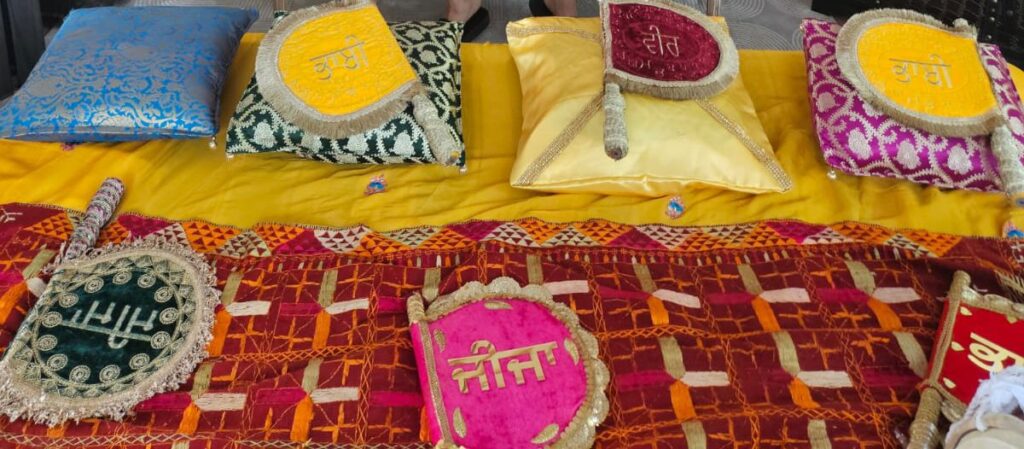
The ceremony is filled with Punjabi folk songs, boliyan, and dhol beats. Women perform traditional dances like Giddha, while others sing songs teasing the bride or narrating wedding stories.The setting is often decorated with marigolds, drapes, fairy lights, and vibrant colors. The bride wears bright green, yellow, or orange outfits, often accessorized with floral jewelry.
Delicious Punjabi snacks and sweets are served. Laughter, teasing, and storytelling make it a warm and intimate event. In modern Punjabi weddings, the Mehendi is often merged with a Sangeet night or cocktail party, with DJs, dance performances, photo booths, and choreographed numbers by family and friends.
Wedding Preparation Rituals (Day 4)
Haldi Ceremony
A yellow paste made of turmeric, oil, and rose water is applied to the bride and groom. This is believed to bless and purify them. It also gives a natural glow to the skin before the big day. Relatives apply the paste while singing traditional songs.
What Happens During the Haldi Ceremony
The Haldi (turmeric) paste is considered auspicious and purifying in Indian traditions. In Punjabi culture, it is believed that applying haldi brings a natural bridal glow to the skin, Wards off evil spirits, and blesses the couple before their sacred union. This ritual is often called “Maiyaan” in Punjabi families.
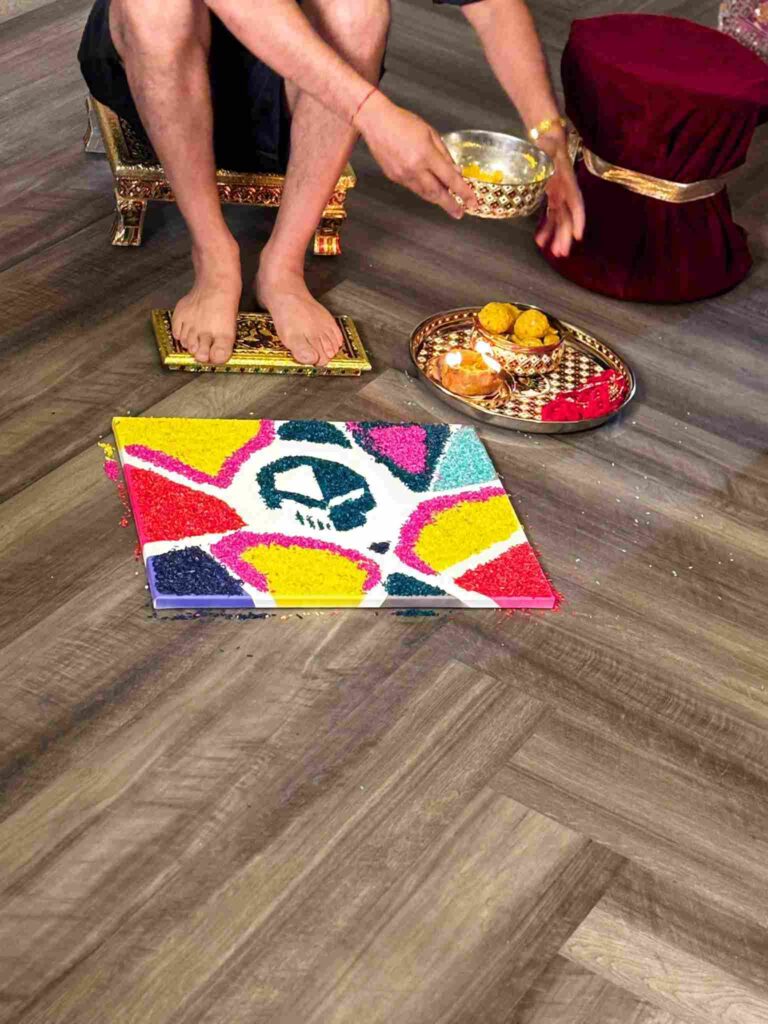
The haldi paste is made from turmeric, sandalwood, rose water, and sometimes mustard oil. Family members mix it in decorated bowls or silver plates. Female relatives, especially mothers, aunts, sisters, and friends, take turns applying haldi on the bride or groom’s face, neck, arms, hands, and feet. It’s gently dabbed with grass sticks (peenghan), cotton balls, or even by hand.
Punjabi folk songs and boliyan are sung during the ceremony. The women often sing playful and emotional tunes about the bride/groom leaving their parental home.The bride and groom wear simple yellow or old clothes, which are sometimes torn afterwards as a sign of letting go of the old life. Yellow is symbolic of happiness, prosperity, and purity.
In many families, after applying haldi, water is not allowed to touch the person until their wedding bath. Some families also follow fun customs like applying haldi to unmarried siblings and cousins, to pass on the good fortune.
Chooda and Kalire Ceremony
This is a beautiful ritual for the bride. Her maternal uncle (Mama) gifts her red and white bangles (chooda). These are soaked in rose water and then put on by elders. Kalire (gold or silver ornaments) are tied to the bangles. It’s believed they bring happiness and blessings to the bride’s new home.
Main Wedding Day (Day 5)
The Baraat
The groom arrives with his family and friends in a fun-filled parade called the baraat. Everyone dances, and there’s a dhol (drum) playing loudly. Sometimes, the groom rides a decorated horse.
At the bride’s home or wedding venue, her family waits to welcome the groom.
Anand Karaj (Wedding Ceremony)
Anand Karaj, meaning “Blissful Union,” is the Sikh wedding ceremony that signifies the spiritual and eternal bond between two individuals. The wedding is usually held in a Gurdwara (Sikh temple). The couple walks around the Guru Granth Sahib (the holy book) four times.Anand Karaj emphasizes equality, respect, and shared responsibility in marriage, reflecting core Sikh values of humility, devotion, and community.
The ceremony is peaceful and sacred. No loud music, just prayers and blessings.
Reception and Celebration
After the religious part, it’s time to party. A big lunch or dinner is served. There’s dancing, cake cutting, and fun games for the couple. Guests enjoy delicious Punjabi food and sweets.
Post-Wedding Traditions (Days 6–7)
Vidaai Ceremony
This is an emotional moment. The bride says goodbye to her family. It’s a mix of joy and tears. She throws rice behind her, showing she is leaving her blessings behind. She then leaves with her husband and his family.
Griha Pravesh (Bride’s Welcome)
The bride reaches the groom’s home. She is welcomed with a small aarti (prayer). She kicks a pot of rice as she enters, which means she’s bringing wealth and happiness. Also, Paani Varna Rasam is arranged on the bride’s arrival. Some playful games are also arranged to make her feel at home.
Additional Festivities and Extended Celebrations
Even after the main wedding, some families keep the celebrations going. They arrange post-wedding dinners or “muklawa” where the bride visits her parental home again.
These events help families bond and create memories.
Punjabi Weddings in Modern Times
In cities or outside India, weddings are often shorter due to time and budget. People combine ceremonies into 2-3 days. For example, haldi and mehendi are done on the same day. Still, people try to keep the essence alive.
Why Punjabi Weddings Feel Like a Festival
There’s music, food, laughter, and endless dancing. From elders to kids, everyone joins in. It’s not just about two people. It’s about spreading happiness. It’s like Diwali, Holi, and a concert—rolled into one!
Is Every Punjabi Wedding 7 Days?
Not always. Some are just 3 days, especially in modern families. Others go on for 10 days with extra rituals. The number of days depends on family traditions, budget, availability of guests and wedding location
Conclusion
Punjabi weddings are more than just events. They are emotional, spiritual, and fun-packed journeys. From the first day of Roka to the final post-wedding games, each day brings a new memory.
Whether it’s 3 days or 7, the heart of a Punjabi wedding lies in the love and togetherness it spreads. If you ever get invited, don’t miss it!
FAQs: Punjabi Weddings
1. Are Punjabi weddings really 7 days long?
Yes, traditionally they last 7 days, but modern weddings can be shorter.
2. What is the most emotional moment in a Punjabi wedding?
The Vidaai ceremony, when the bride leaves her parental home, is the most emotional part.
3. Is Anand Karaj the same as a Hindu wedding?
No, an Anand Karaj is the Sikh religious wedding ceremony and is different from Hindu rituals.
4. Can non-Punjabis attend and enjoy the wedding?
Absolutely! Punjabi weddings are inclusive and very guest-friendly
5. What should I wear to a Punjabi wedding?
Wear colorful traditional outfits like lehenga, salwar kameez, or sherwani. Comfort is key, as there’s a lot of dancing!
Read More
https://raowal.com/traditional-punjab-village-wedding/
Harman is a proud native of Raowal. With a deep-rooted connection to the land and its people, we contribute stories, updates, and insights that reflect the true spirit of Raowal. Our website aims to keep people connected to their heritage and village while showcasing the beauty of village life to the wider world. Especially people from the village Raowal who live abroad.