Flowers have a strong connection to our emotions. In this post, we will cover flower names in Punjabi. They remind us of love, peace, happiness, and nature’s beauty. In Punjabi culture, flowers are not only appreciated for their beauty but also carry deep meanings in songs, weddings, and traditions.
Learning flower names in Punjabi helps you better connect with that culture. Whether you’re travelling to Punjab, speaking with elders, or enjoying Punjabi literature and music, knowing these names can make your experience much richer.
Common Flowers and Their Punjabi Names
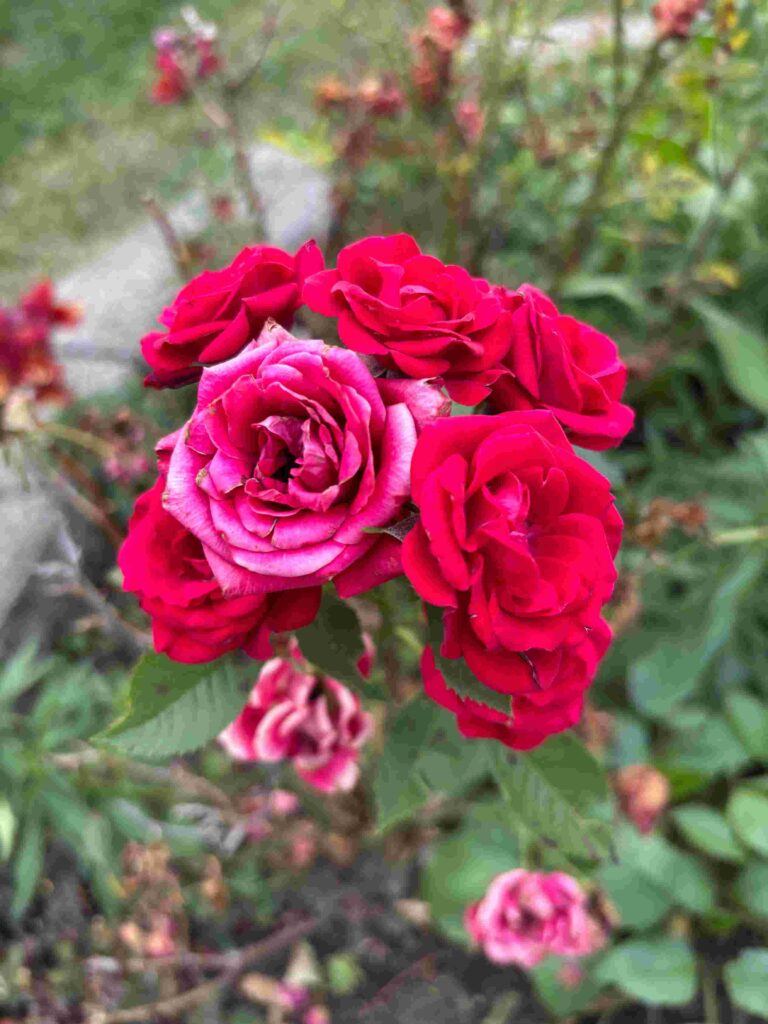
1. Rose – ਗੁਲਾਬ (Gulab)
The rose is known as the “king of flowers.” In Punjabi, it is called Gulab. It is one of the most common and loved flowers in the region. People gift roses to express love and care. In weddings, rose petals are showered on the bride and groom.
Gulab also appears in many Punjabi poems and songs, often symbolizing deep love or beauty. Some people even plant Gulab in their homes for its rich fragrance.
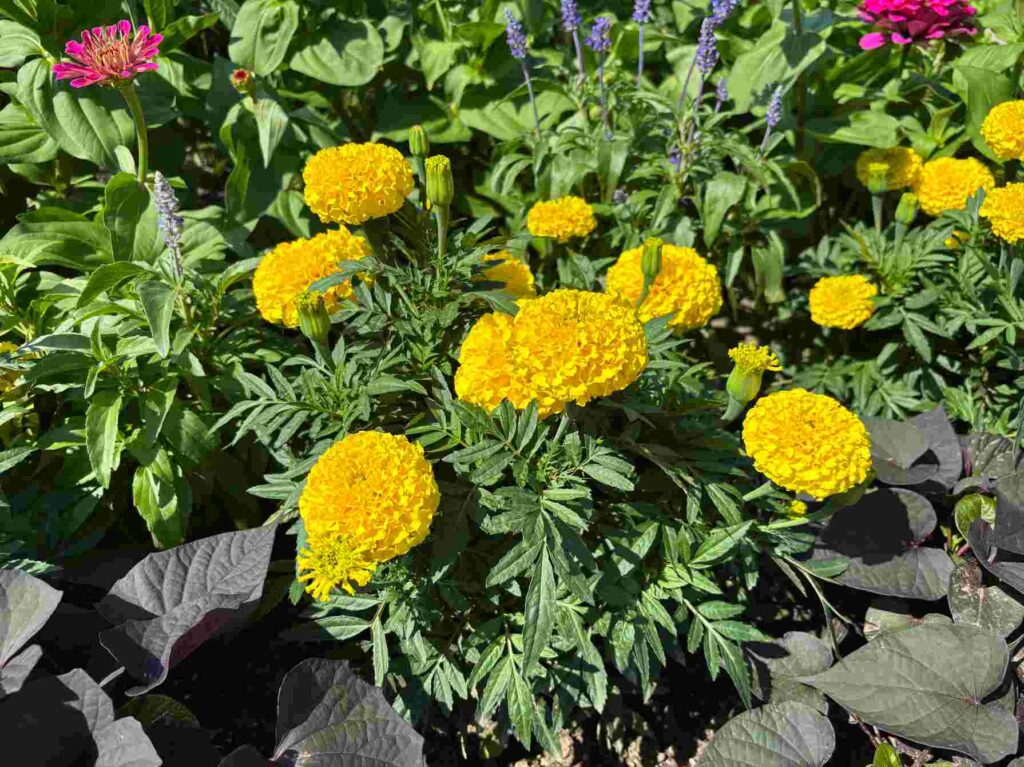
2. Marigold – ਗੇਂਦਾ (Genda)
Marigold, or Genda, is the flower of celebration. You’ll see Genda garlands in weddings, temples, and festive decorations. Its bright orange and yellow colours bring energy to any space.
In Punjab, marigold flowers are used to welcome guests and decorate religious places. They’re easy to grow, bloom in all seasons, and carry a strong cultural and spiritual meaning.
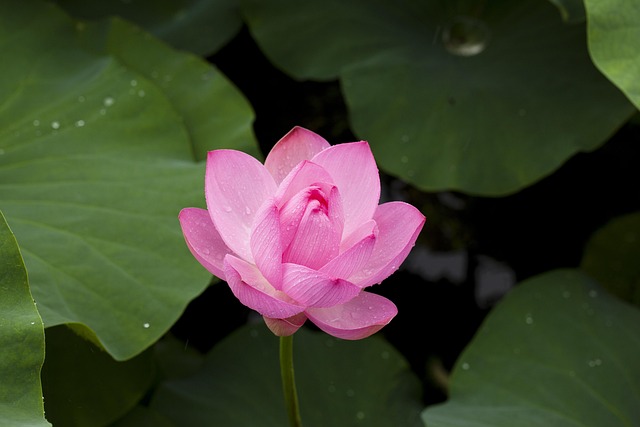
3. Lotus – ਕਮਲ (Kamal)
The lotus, or Kamal, is considered a sacred flower. It grows in muddy water but blooms beautifully, symbolizing purity and strength. In Sikhism and Hinduism, Kamal is seen as a symbol of spiritual enlightenment.
In many Punjabi villages, elders use the word “Kamal” to describe someone special or pure-hearted. It is also used in many spiritual songs and teachings.
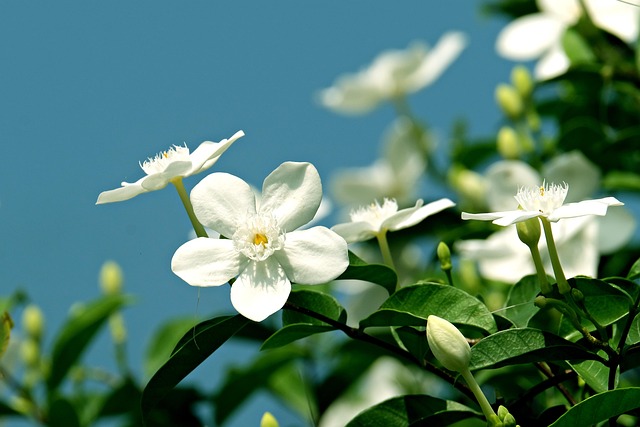
4. Jasmine – ਚਮੇਲੀ (Chameli)
Jasmine, known as Chameli, is famous for its sweet scent. It often grows around fences and walls in Punjabi homes. Women use flowers in their hair, especially during festivals or family gatherings.
Chameli symbolizes femininity and grace. It is also used in perfumes and oils. The fragrance of Chameli fills the night air with peace and nostalgia.
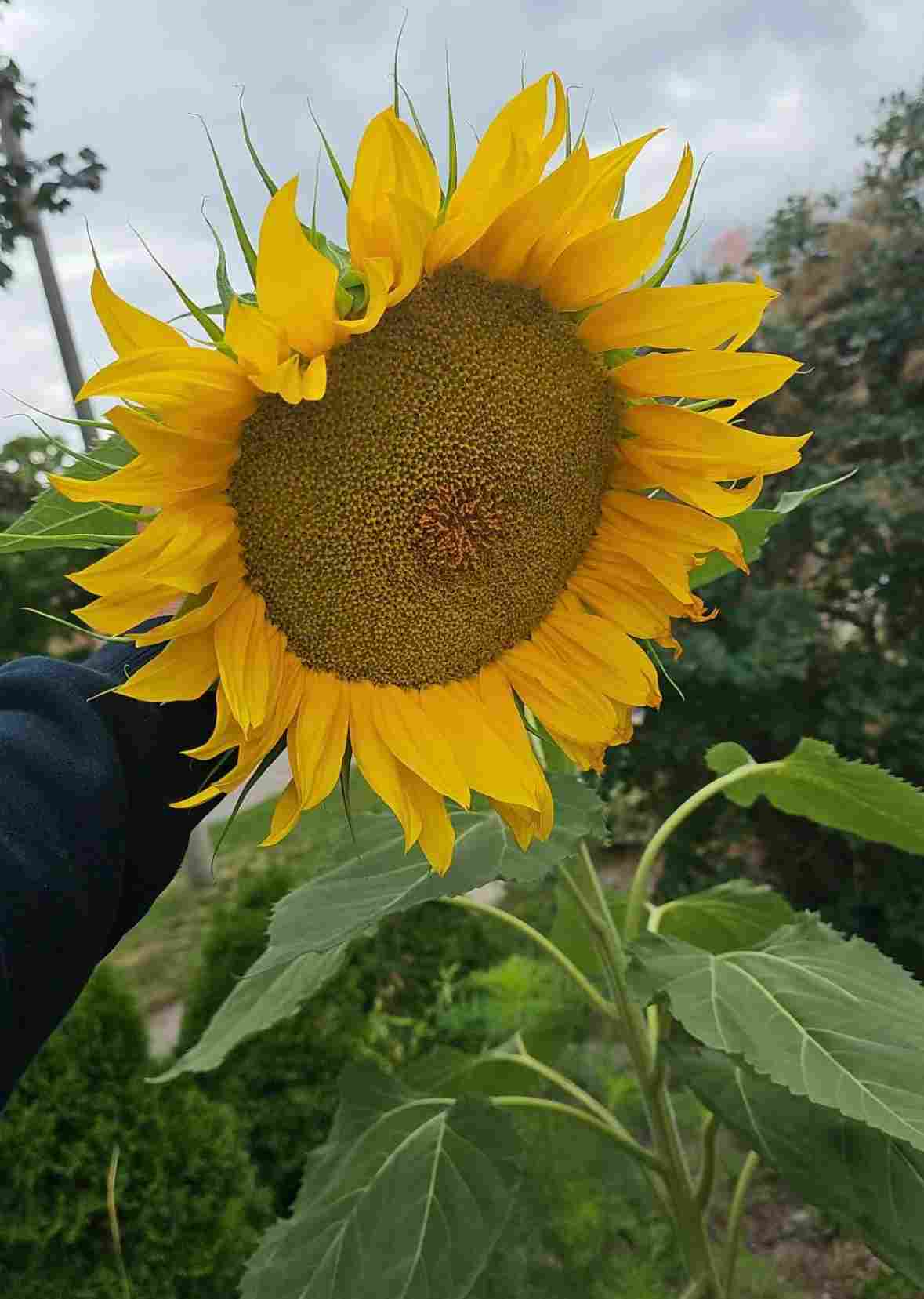
5. Sunflower – ਸੂਰਜਮੁਖੀ (Soorajmukhi)
Sunflower is called Soorajmukhi, which literally means “sun-faced.” It turns toward the sun and symbolizes positivity, energy, and strength. In rural Punjab, Soorajmukhi fields are a common sight during the summer. These bright yellow flowers reflect the warm and hardworking spirit of the Punjabi people.
Unique and Exotic Flower Names in Punjabi
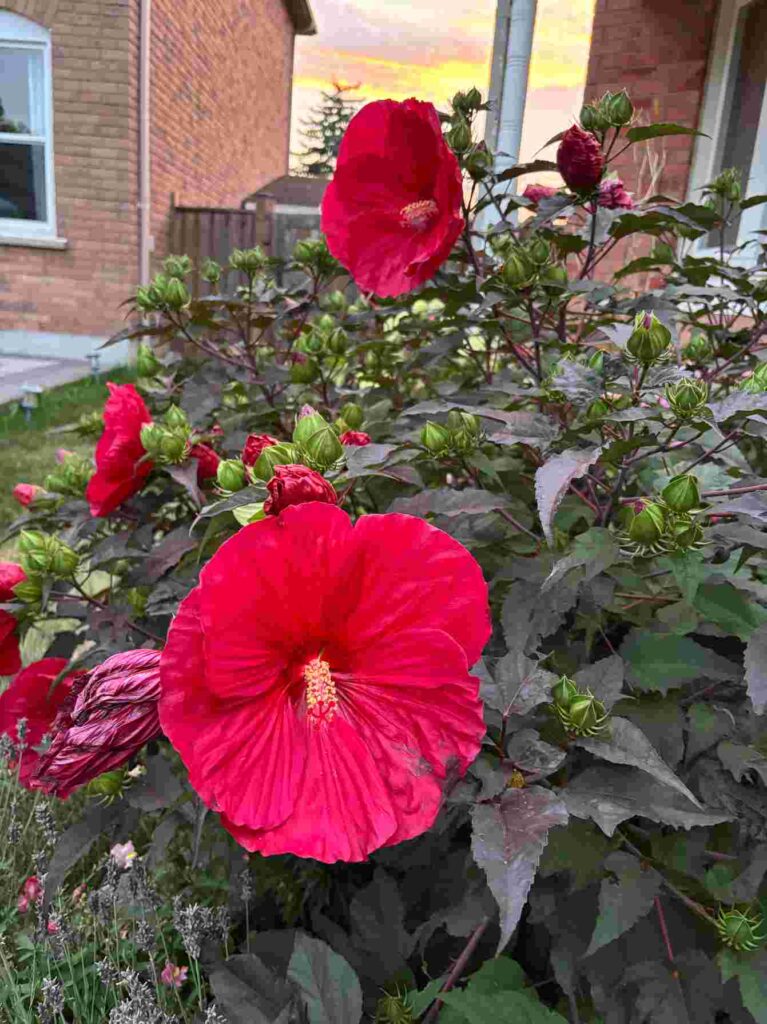
6. Hibiscus – ਜਸਵੰਦ (Jaswand)
Jaswand is a vibrant red flower commonly used in religious worship, especially for deities like Kali or Durga. It grows easily and attracts butterflies.
In Punjabi households, Jaswand plants are often found in courtyards. The flower is also believed to have medicinal properties for hair and skin care.
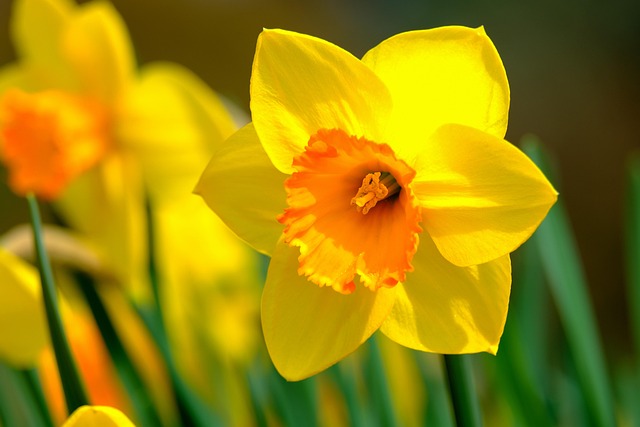
7. Daffodil – ਨਰਗਿਸ (Nargis)
Nargis is loved for its beauty and elegance. It’s often mentioned in Punjabi poetry to describe eyes that are full of charm. Although not commonly found in Punjab, the name Nargis is widely known and even used as a girl’s name. The flower represents beauty, new beginnings, and grace.
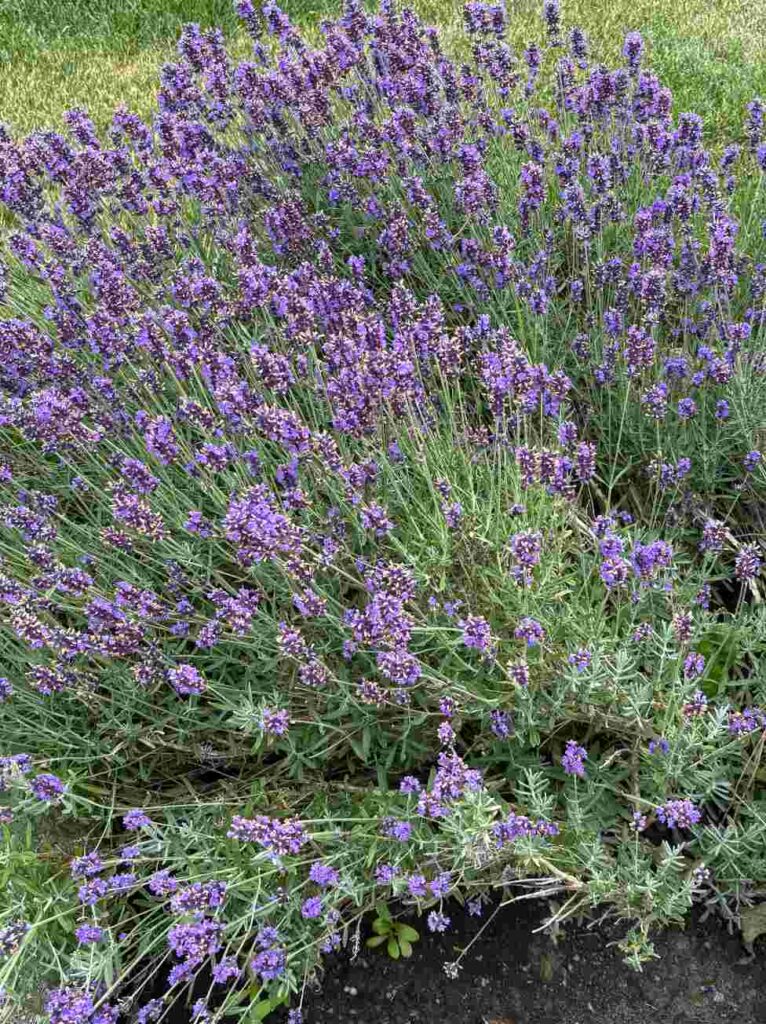
8. Lavender – ਉੱਤੇਰਾ (Utteyra)
Utteyra is a less common but sweet-smelling flower. It is often associated with calmness and healing. Though lavender doesn’t grow natively in Punjab, many people now plant it for its look and aroma. It’s also used in making soaps, oils, and perfumes.
9. Daisy – ਗੁਲਬਹਾਰ (Gulbahaar)
Gulbahaar means spring flower. It is often seen blooming during the early months of the year. This flower symbolizes joy, innocence, and new beginnings. Kids love picking Gulbahaar flowers from gardens or open fields.
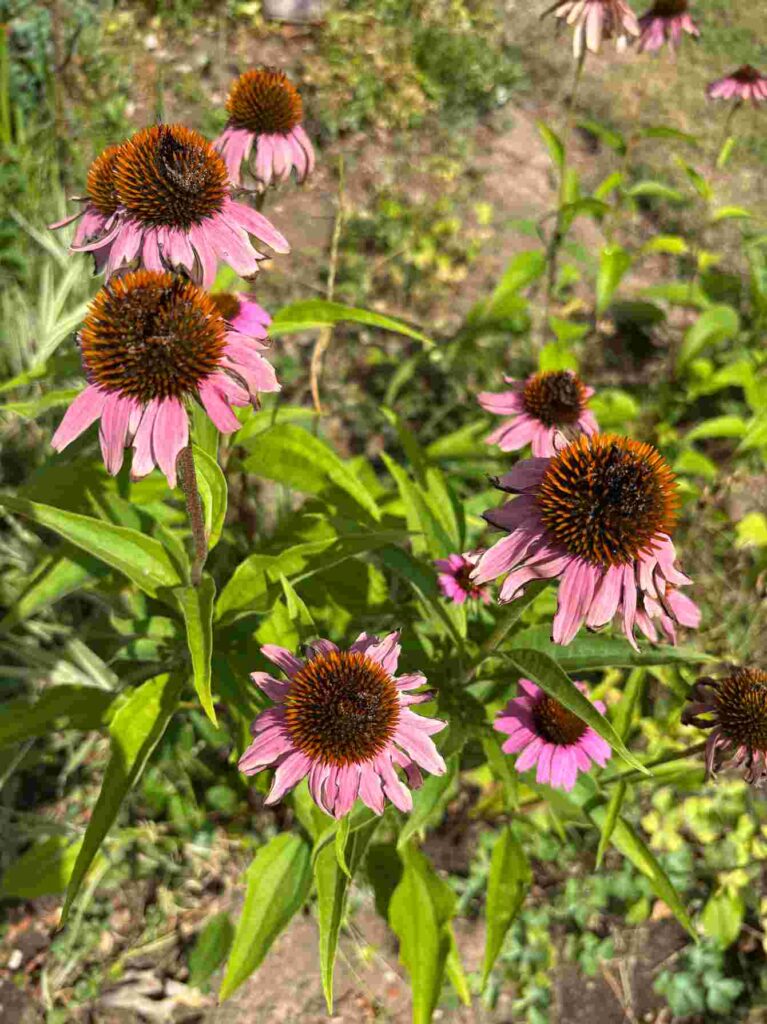
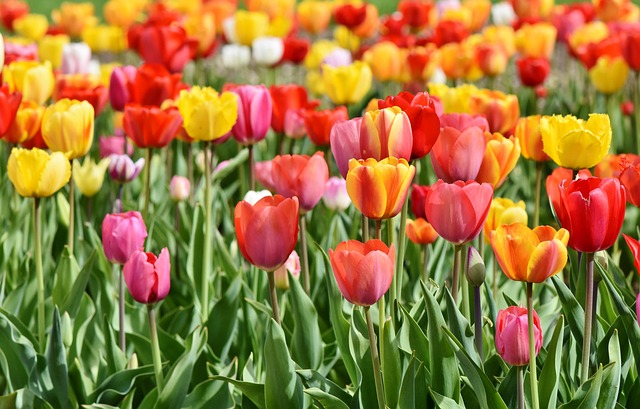
10. Tulip – ਕੰਦ ਫੂਲ (Kand Phool)
Kand Phool literally means a bulb flower, referring to how tulips grow. They are not native to Punjab but have become popular in gardens and parks. Tulips represent elegance and simplicity. People often visit hill stations in the spring just to see the tulip gardens.
Flower Names You Might Not Know in Punjabi
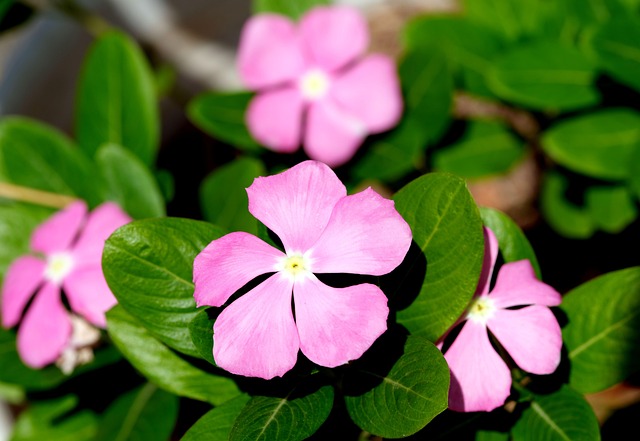
11. Periwinkle – ਸਦਾਬਹਾਰ (Sadabahar)
Sadabahar means “evergreen” in Punjabi. This flower gets its name because it blooms throughout the year. It is small, with purple, pink, or white petals. Many Punjabi homes grow this flower in their gardens or by the roadside.
It’s easy to care for and adds colour all year. Besides its beauty, Sadabahar is used in traditional medicine for treating some health conditions.
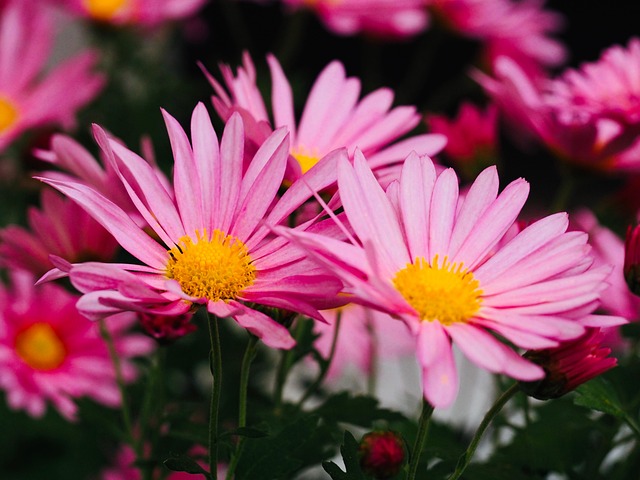
12. Chrysanthemum – ਗੁਲਦਾਉਦੀ (Guldaudi)
Guldaudi is a large flower that comes in many colors like white, yellow, and purple. It blooms during cooler months and is often seen in religious events, especially during Diwali and Gurpurabs.
It lasts longer than many flowers and is loved for both its look and fragrance. Many Punjabi gardens showcase rows of Guldaudi during the fall and winter seasons.
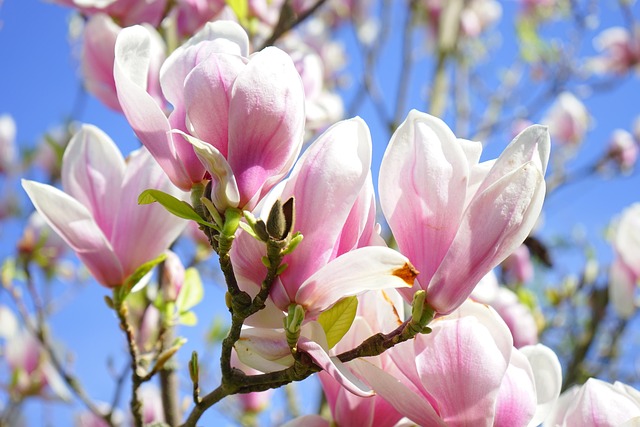
13. Magnolia – ਮਗਨੋਲੀਆ (Magnolia)
The Magnolia flower is known for its large, creamy white petals. In Punjabi, it is simply called Magnolia. It is not native to Punjab but can be seen in big gardens or parks.
It symbolizes purity, dignity, and strength. Because of its rare beauty, Magnolia is often planted in front yards to impress visitors.
14. Oleander – ਕਣੇਰ (Kaner)
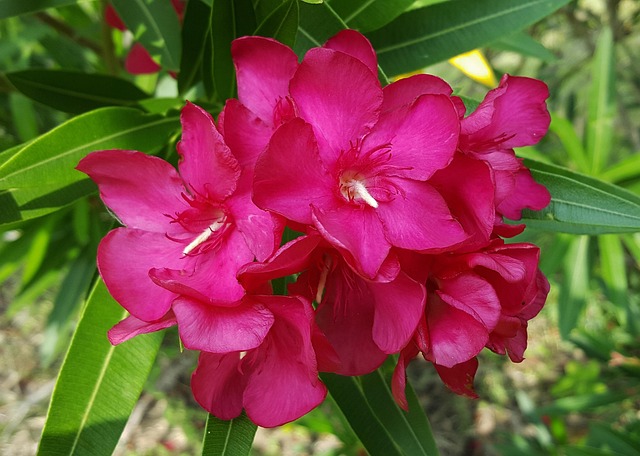
Kaner is a very common plant in Punjab. It blooms with pink, yellow, or white flowers and grows easily in hot, dry areas. However, it is important to know that this plant is toxic and should not be eaten.
Despite that, it is admired for its vibrant look and is often grown near boundaries or along roads for beautification.
15. Petunia – ਪੇਟੂਨੀਆ (Petunia)
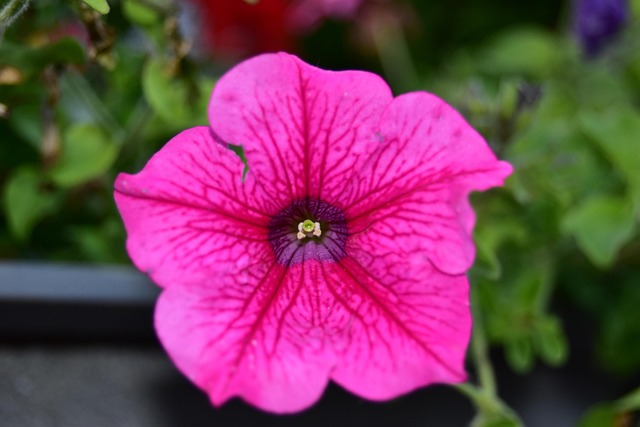
Petunia is a colourful and cheerful flower that is easy to grow. In Punjabi, it is still called Petunia or sometimes Patuniya. It blooms in many shades—purple, pink, red, and even striped. It’s common in balconies and home gardens, especially in cities. It gives a modern and lively look to any place.
More Local and Native Flower Names in Punjabi
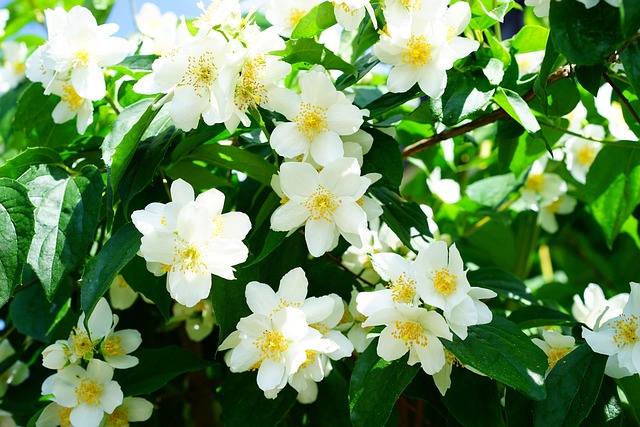
16. Night Jasmine – ਹਰਸ਼ਿੰਗਾਰ (Harshingar)
Harshingar, also called Parijat in some areas, is a night-blooming flower. It is white with an orange stem and smells lovely. In the morning, the flowers fall to the ground, forming a beautiful carpet.
It is often used in spiritual rituals and is known for its calming scent. In many Punjabi homes, elders collect the flowers early in the morning for prayers.
17. Flame Lily – ਅੱਗ ਲੀਲੀ (Agg Lily)
The Agg Lily looks like fire with its red and yellow curling petals. It’s wild, rare, and very eye-catching. Although not very common in gardens, it is found in forests or wild areas. In Punjabi culture, the flame lily can symbolize boldness and uniqueness because of its fierce appearance.
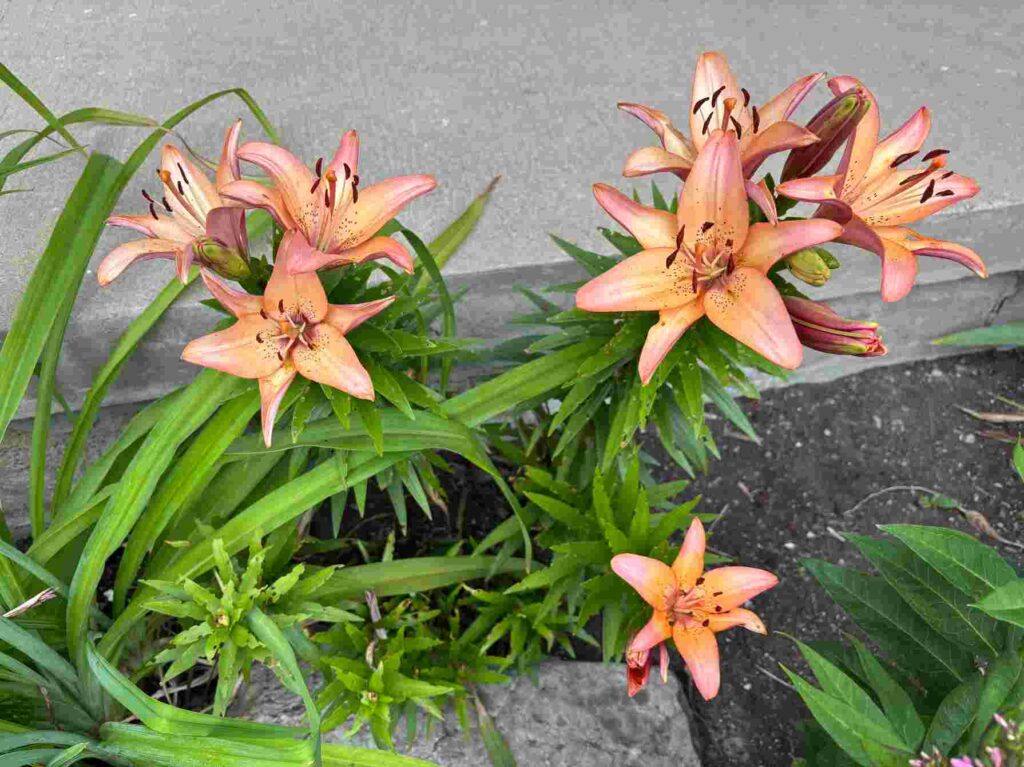
18. Coral Jasmine – ਪਾਰਜਾਤ (Parijat)
Parijat is another name for Harshingar, but it is often used in poetry and religious texts. This flower is sacred in Hinduism and grows best in slightly cooler areas. It is associated with love, peace, and blessings. Many temples in Punjab decorate altars with Parijat flowers.
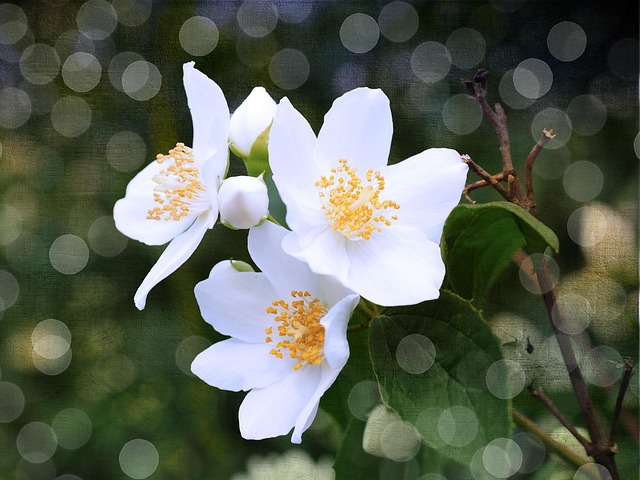
19. Bottlebrush – ਬੋਤਲ ਬੁਰਸ਼ (Bottle Bursh)
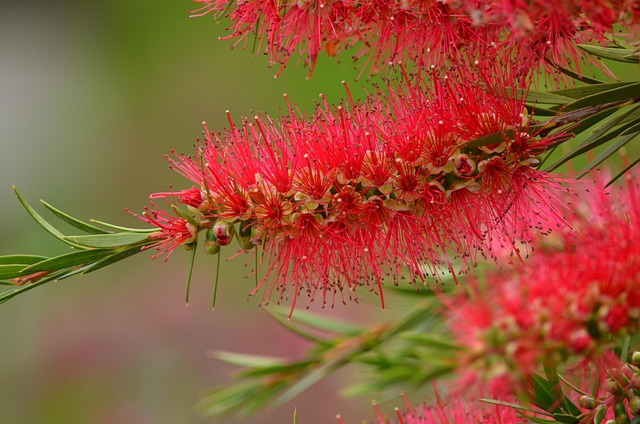
This flower looks like a red bottle brush and that’s why it’s called Bottle Bursh in Punjabi. It’s mostly used as a decorative plant. Found in schoolyards, parks, and along fences, it grows well and blooms in clusters. Kids love to play with its brush-like structure.
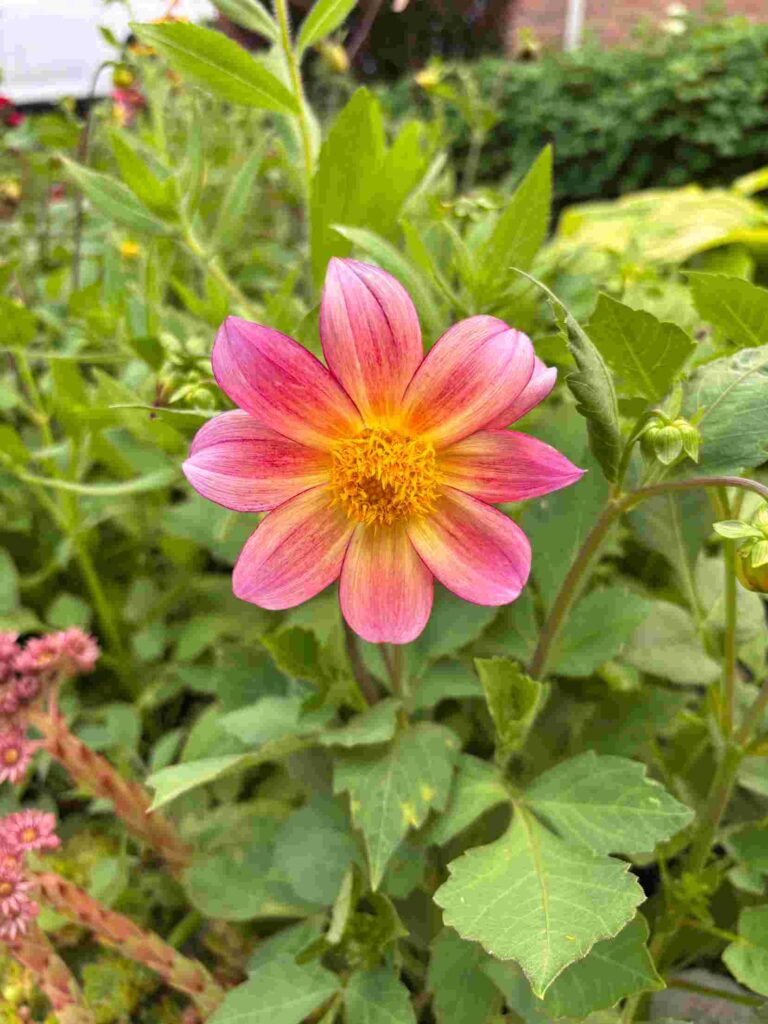
20. Dahlia – (ਡਾਹਲੀਆ)
The dahlia, a vibrant, multi-petaled flower known for its bold colors and intricate shapes, is also popular in Punjab’s gardens. Native to Mexico, it symbolizes strength, beauty, and elegance, and thrives in Punjab’s late summer and fall season.
With over 42 species and countless varieties, it adds a touch of grace to both rural and urban landscapes in the region.
Wild and Regional Flower Names in Punjabi
21. Bluebell – ਨੀਲਾ ਘੰਟਾ (Neela Ghanta)
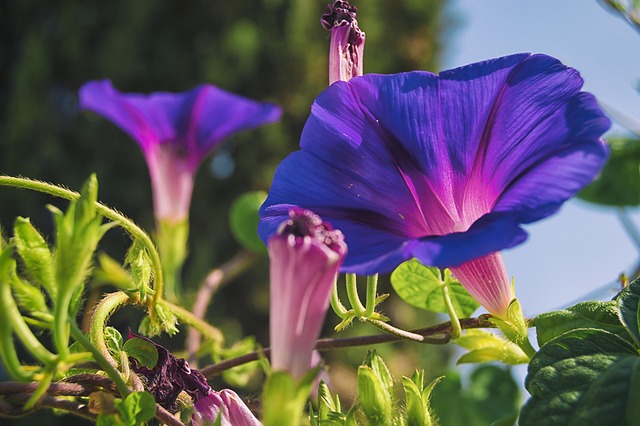
Neela Ghanta, or bluebell, gets its name from its bell-like shape and blue color. These flowers are usually found in hilly or cooler regions like Himachal Pradesh, but they are also known to Punjabi flower lovers. Their shape and colour give them a magical, fairy-tale look.
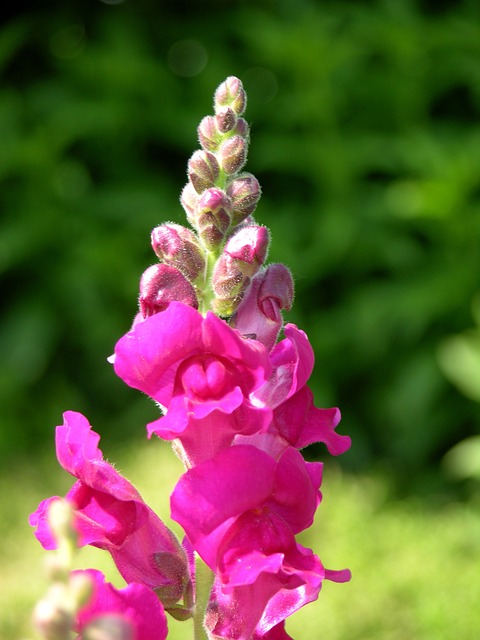
22. Snapdragon – ਮੂੰਹਜੋੜੀ (Moonhjodi)
Moonhjodi is a playful flower that looks like a dragon’s mouth opening and closing when you press its sides. Children love playing with them. The flower comes in bright colors and is planted widely in gardens and pots. It adds fun and color to any home.
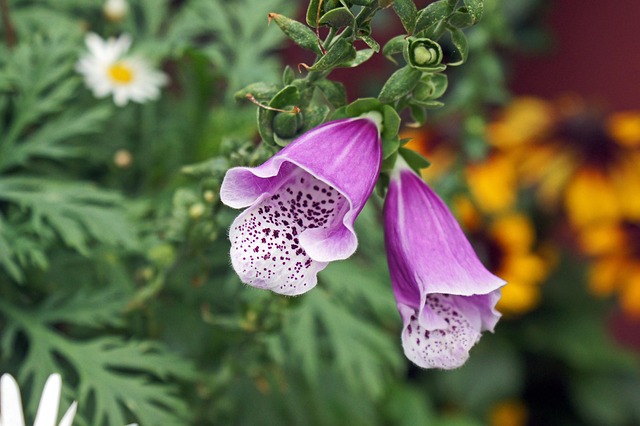
23. Foxglove – ਲੋਮੜੀ ਗਲ੍ਹੀ (Lomri Galhi)
Lomri Galhi means “fox’s throat” in Punjabi. The flower is shaped like a tube and grows in vertical bunches. It’s beautiful but also toxic, so it must be handled carefully. Foxgloves are mostly seen in cooler areas or well-maintained gardens.
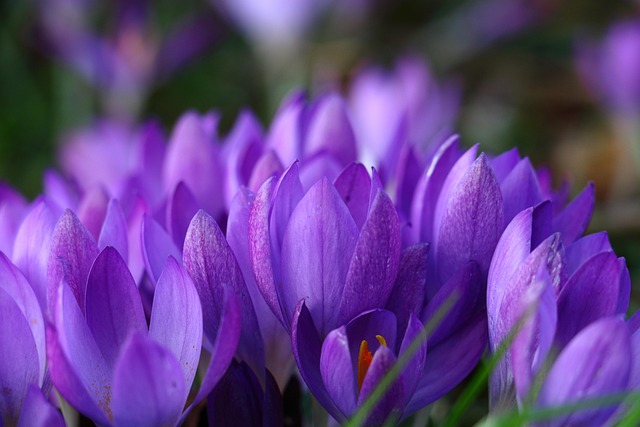
24. Crocus – ਕੇਸਰ ਫੂਲ (Kesar Phool)
The Kesar Phool gives us saffron, which is used in cooking, milk, and sweets. It grows in hilly regions like Kashmir but is loved in Punjab too. The flower is delicate and blooms for a short time. Its bright purple colour and saffron strands are very valuable.
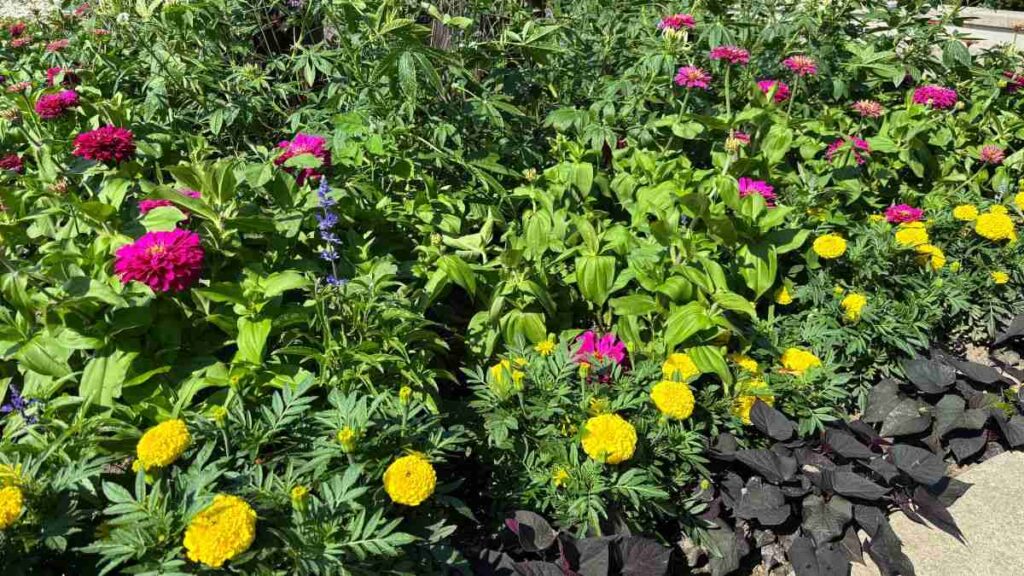
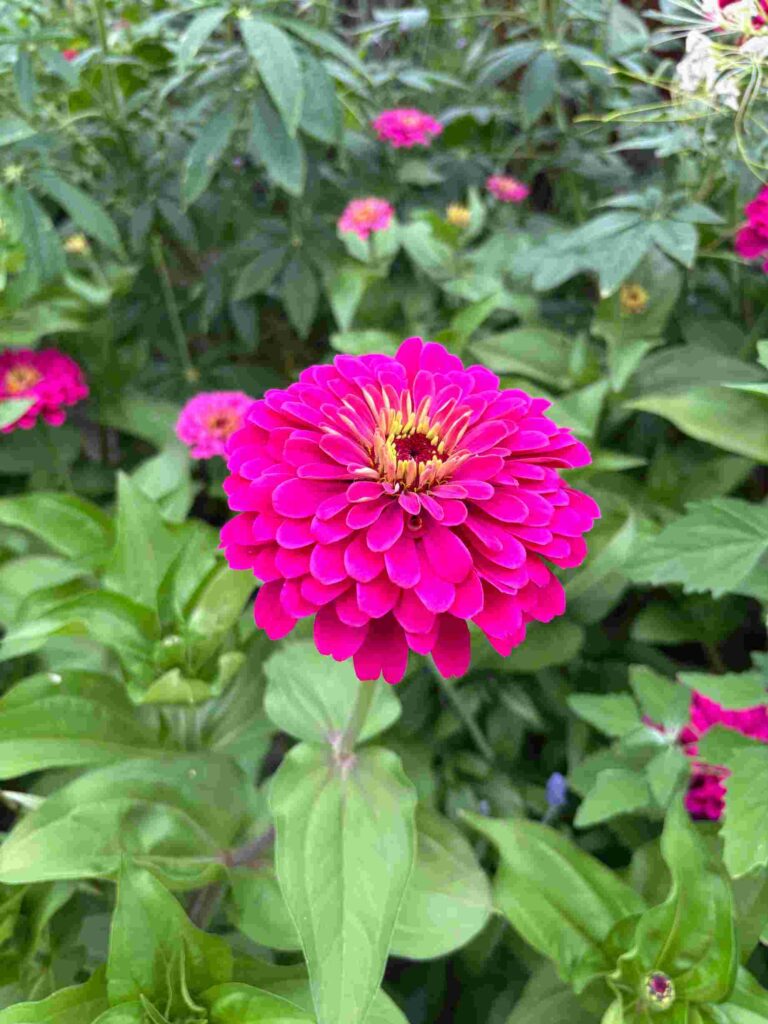
25. Zinnia – ਜਿਨੀਆ (Zinnia)
Jinia or Zinnia is a strong and colorful flower that grows well in hot climates. It is found in many home gardens in Punjab. It blooms in pink, red, orange, and even green. The flower is low-maintenance and brightens up any garden corner.
Why Learning Flower Names in Punjabi is Useful
You may wonder why it’s important to learn flower names in Punjabi when you already know them in English. The answer is simple. Punjabi is widely spoken in India and across the Punjabi diaspora.
If you visit a village in Punjab, go to a Gurdwara, or attend a wedding, you’ll hear flower names in Punjabi.
Also, learning them keeps the language alive and helps children and learners build stronger roots with their heritage. Plus, it’s fun and easy to remember when you’re familiar with the flowers already.
Punjabi Language – A Glimpse into Its Beauty
Punjabi is one of the most expressive languages in South Asia. It is spoken by millions of people in India and around the world. The script may change—Gurmukhi in India—but the soul of the language remains the same.
The language is poetic, rich in emotions, and deeply connected to nature, especially flowers. Many Punjabi names and phrases use flowers as symbols of beauty, strength, and purity. That’s why learning flower names is a small but meaningful step toward mastering Punjabi.
The Cultural Significance of Flowers in Punjab
Flowers in Punjabi Festivals and Rituals
In Punjab, no celebration is complete without flowers. Whether it’s a wedding, a religious ceremony, or a festival like Vaisakhi or Lohri, flowers are always present. Marigold garlands, rose petals, and jasmine strings are used for decorating homes, temples, and Gurdwaras.
Even during daily prayers, people offer flowers as a sign of respect and devotion. The presence of flowers in every ritual shows their importance in Punjabi spirituality and daily life.
Symbolism of Flowers in Punjabi Poetry and Songs
Punjabi poetry and folk songs are full of flower imagery. A rose (Gulab) often symbolizes love or heartbreak. Jasmine (Chameli) is linked with beauty and scent. Daffodils (Nargis) are used to describe beautiful eyes.
These metaphors help express feelings that are often too deep for words. The connection between flowers and emotions in Punjabi literature makes it easier to understand why they are so respected in the culture.
Tips for Remembering Flower Names in Punjabi
Use Flashcards
Write the English name on one side and the Punjabi name on the other. Go through them daily. This method works best for visual learners and children.
Watch Punjabi Gardening or Cultural Videos
Many gardening channels and cultural shows on YouTube use native Punjabi terms for flowers and plants. Watching them helps you learn naturally and enjoyably.
Label Plants at Home with Punjabi Names
If you grow flowers at home, make labels with both Punjabi and English names. You’ll see the names every day and remember them without trying hard.
Conclusion
Flowers connect us to our roots. In Punjabi culture, they do more than decorate—they speak, they symbolize, and they celebrate. By learning flower names in Punjabi, you embrace the beauty of two worlds—language and nature. Whether you’re a language lover, a gardener, or someone who wants to feel closer to your heritage, knowing these names is a meaningful and joyful step. So go ahead, start with one flower name today, and let your vocabulary bloom!
FAQs: Flower Names in Punjabi
1. What is the Punjabi word for flower?
The Punjabi word for flower is ਫੁੱਲ (Phull). It’s a basic and commonly used word in daily conversations and poetry.
2. How do I start learning Punjabi vocabulary easily?
Begin with simple and familiar words—like flowers, fruits, and colors. Use flashcards, label household items, and speak with native speakers.
3. Are Punjabi flower names used in daily life?
Yes, they are often used in casual talks, religious events, and cultural songs. Many people still use Punjabi names for plants at home.
4. Why are flower names important in Punjabi culture?
Flowers are a part of every celebration—weddings, prayers, and festivals. They also appear in stories, songs, and poems, making them culturally important.
5. What are some flower names used in Punjabi songs?
Names like Gulab (Rose), Chameli (Jasmine), and Nargis (Daffodil) are often used to describe love, beauty, and emotions in Punjabi songs.

Harman is a proud native of Raowal. With a deep-rooted connection to the land and its people, we contribute stories, updates, and insights that reflect the true spirit of Raowal. Our website aims to keep people connected to their heritage and village while showcasing the beauty of village life to the wider world. Especially people from the village Raowal who live abroad.