Light, whether from the sun or a humble lantern lamp, is one of the most essential elements of life. It not only helps us see but also impacts our mood, safety, and productivity. For the rural villages of Punjab, lantern lamps have served as a beacon of hope and utility for generations. Despite advancements in technology, these simple yet reliable tools continue to play a significant role in everyday life. Their story is one of resilience and adaptation, as they remain a bridge between tradition and modernity.
The Role of Lantern Lamps in Punjab’s Heritage
Connection to Rural Lifestyle
In the heart of Punjab’s villages, lantern lamps are more than just lighting devices. They are deeply woven into the daily rhythms of rural life. Families depend on them to light their homes after sunset, farmers use them in their barns, and children rely on their glow for late-night study sessions.
These lamps symbolize self-sufficiency and adaptability, key traits of the Punjabi spirit. Whether it’s lighting a small gathering or illuminating a quiet evening at home, lantern lamps create a comforting atmosphere that electric lights often fail to replicate.
Cultural Significance Over the Decades
Lantern lamps have been a silent witness to the evolution of Punjab’s culture, quietly illuminating the everyday lives and sacred moments of its people. For decades, they have cast their warm glow over evening prayers, joyous family dinners, and community gatherings.
During village fairs, their flickering light adds a magical touch to the night, guiding people through bustling stalls and open-air performances. In times of hardship—be it power outages, monsoon storms, or economic struggle—these lamps have stood resilient, becoming symbols of perseverance, simplicity, and self-reliance.
Their presence during traditional celebrations, such as Lohri, where families gather around bonfires, or Vaisakhi, the harvest festival rich with dance, music, and ritual, underscores their enduring cultural significance. Passed down through generations, lantern lamps often hold sentimental value, evoking childhood memories and ancestral connections. They are more than just tools for illumination; they are keepers of tradition and silent storytellers of Punjab’s rich heritage.
A Glimpse into the Past
How Lanterns Replaced Traditional Lighting
Before the arrival of lantern lamps, villagers in rural Punjab depended on simple, traditional sources of light—mainly clay diyas fueled by mustard oil or handmade candles. These rudimentary lighting options offered only a faint, flickering glow that barely lit a room. Their limited burn time and the constant risk of fire made them inconvenient and often dangerous, especially in homes built from flammable materials like wood, straw, or mud. Evening activities were restricted, and any work or social interaction after sunset was a challenge.
The introduction of lantern lamps in the early 20th century marked a turning point in village life. These devices, often powered by kerosene and protected by a glass enclosure, provided a brighter, longer-lasting, and significantly safer source of light. They allowed people to extend their waking hours beyond dusk, facilitating everything from evening chores and study sessions for children to community storytelling, weaving, and handicraft work late into the night.

Lantern lamps quickly became indispensable tools—not just for lighting homes, but also for powering rural economies and enabling social life after dark. Their steady, reliable glow was more than just practical; it symbolized progress and possibility. For many families, owning a lantern lamp was a source of pride and a step toward modernity, marking the beginning of a new chapter in rural Punjab where productivity, leisure, and safety could continue long after the sun had set.
Lanterns as Symbols of Resilience During Hard Times
In challenging times—be it during floods, droughts, or power outages—lantern lamps proved their worth. Their resilience mirrored the strength of the villagers who used them. During crises, these lamps were often the only reliable light source. They not only illuminated homes but also symbolized hope and survival in uncertain times. The ability to function independently of electricity made lantern lamps a vital tool in moments of adversity.
Why Lantern Lamps Still Shine in the Modern Era
Reliable in Areas with Limited Electricity
Electricity, though widely available in urban centers, remains inconsistent in many rural parts . For families in these areas, lantern lamps are a dependable alternative. Their ability to function without power makes them invaluable during frequent outages, especially during the monsoon season when electricity failures are common. Whether lighting up homes, farms, or community spaces, lantern lamps continue to serve as a reliable solution in areas where the power supply is erratic.
Cost-Effective for Rural Households
Economic considerations also play a significant role in the popularity of lantern lamps. Many rural households cannot afford high electricity bills or the upfront cost of installing modern lighting systems. Lantern lamps, in contrast, are affordable to purchase and require minimal maintenance.
Traditional lantern models require only kerosene or other inexpensive fuels, making them accessible and easy to maintain for rural households. Their simple design and durability allow them to function reliably with minimal upkeep, even in remote areas with limited infrastructure. These lanterns have long been favored for their affordability, with fuel readily available at local markets and storage straightforward for long-term use.
In recent years, modern solar-powered lanterns have emerged as an innovative alternative, designed to address both environmental concerns and economic limitations. With the help of subsidies, these solar lanterns have become a cost-effective and sustainable option for families with limited financial resources. Equipped with rechargeable batteries and built-in solar panels, they eliminate the need for recurring fuel purchases, reducing monthly expenses and exposure to harmful fumes.
This shift from kerosene to solar represents not just a technological upgrade, but a move toward clean energy independence for rural communities, offering brighter light, lower long-term costs, and a healthier living environment.
Energy Independence in Villages
One of the biggest advantages of lantern lamps is their independence from electricity grids. This is particularly important in remote areas where connecting to the grid is either too expensive or logistically challenging. Lanterns ensure that even the most isolated homes are not left in darkness. Their portability and ease of use make them an essential tool for rural living, allowing families to carry light wherever they need it—be it the fields, kitchens, or outdoor courtyards.
Use of Kerosene and Other Accessible Fuels
Traditional lanterns primarily run on kerosene, a fuel that is readily available in most villages. Many families also use diesel or other alternatives, depending on availability and affordability. This versatility in fuel options ensures that lantern lamps remain functional even in times of scarcity. While concerns about the environmental impact of these fuels persist, their accessibility ensures that lantern lamps remain a lifeline for countless rural households.
Technological Advancements in Lantern Lamps
Transition to Solar-Powered Lanterns
The introduction of solar-powered lanterns has brought a new era of lighting to Punjab’s villages. These lamps harness the sun’s energy during the day and provide consistent light at night. Solar lanterns are not only eco-friendly but also eliminate the need for recurring fuel expenses.
Many families are gradually switching to these modern alternatives, drawn by their durability, convenience, and the promise of long-term savings. Unlike traditional kerosene lanterns that require constant refueling and maintenance, solar-powered models are built to withstand rough rural conditions, often lasting for years with minimal upkeep. Once charged, they can provide several hours of consistent light without emitting smoke or heat, making them safer—especially for children and the elderly.
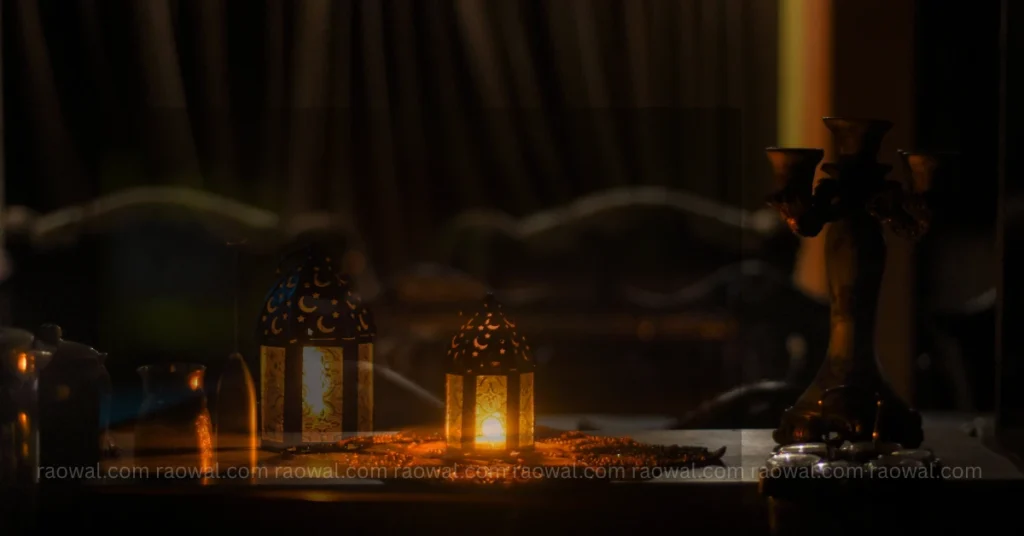
The initial investment is quickly offset by the elimination of recurring fuel costs, making these lanterns an economical choice in the long run. Families no longer need to spend precious income on kerosene, and with improved lighting, children can study at night, and adults can continue work or household tasks without interruption. This transition reflects a broader shift in rural priorities—where people are embracing technology not only for comfort and efficiency but also for its economic and environmental benefits.
Use of LED Technology for Better Efficiency
Modern lanterns equipped with LED technology offer brighter light while consuming minimal energy. LEDs are more efficient and long-lasting compared to traditional bulbs, reducing the overall cost of ownership. Additionally, LED-powered lanterns are safer to use, as they produce less heat and eliminate the risk of burns. This technological shift has made lantern lamps more practical and sustainable for the 21st century.
Benefits of Using Lantern Lamps in Villages
Eco-Friendly Options
The evolution of lantern lamps has brought greener options like solar and LED models to the forefront. These alternatives reduce reliance on fossil fuels and contribute to a cleaner environment. By adopting eco-friendly lighting, rural households are not only saving money but also playing their part in combating climate change.
Portability and Versatility
Lantern lamps are designed for ease of use. Their lightweight and portable design make them suitable for various settings, from homes to outdoor areas. Whether used for evening gatherings, fieldwork, or emergency situations, their versatility ensures they remain indispensable tools in rural life.
Helping Farmers Work Late
Illuminating Fields and Livestock Areas
Agriculture is the backbone of Punjab, and farmers often work late into the night during sowing and harvesting seasons. Lantern lamps provide the necessary light for tasks like irrigating fields, inspecting crops, or tending to livestock. Their brightness and portability make them ideal for such outdoor applications.
Assisting with Night-Time Tasks
Lantern lamps are equally useful for household chores. From cooking dinner in the kitchen to securing the premises after dark, these lamps ensure that rural families can carry on with their tasks safely and efficiently, even in the absence of electricity.
Community Stories: Lanterns as Lifelines
Personal Stories from Villagers
In villages across Punjab, lantern lamps are more than tools—they are lifelines. Many villagers share stories of how lanterns have come to their rescue, whether during medical emergencies at night or in the aftermath of a natural disaster. For some, these lamps represent cherished family heirlooms passed down through generations.
Role in Festivals and Celebrations
Lantern lamps add a unique charm to village festivals. Their warm, flickering light creates a magical ambiance during gatherings, from weddings to religious ceremonies. Decorated lanterns are often used as centerpieces, blending function with artistry.
Conclusion
Lantern lamps embody the resilience and adaptability of Punjab’s villages. They continue to shine as symbols of tradition while embracing modern innovations. As these lamps evolve with sustainable technologies, they remain an essential part of rural life, illuminating paths and preserving the spirit of a community that thrives on hope, resourcefulness, and simplicity.
FAQs: Lantern Lamps
Why are lantern lamps still popular in Punjab?
Lanterns are reliable, affordable, and blend well with rural lifestyles. They continue to serve both practical and cultural purposes in daily village life.
What fuels are commonly used in traditional lantern lamps?
Traditional lanterns mainly use kerosene or diesel. These fuels are easily accessible and have been used for generations in rural areas.
How have lantern lamps impacted rural education in Punjab?
Lantern lamps have enabled children in rural areas to study after dark, improving access to education.
With consistent lighting, students can complete homework and prepare for exams, regardless of power outages.
How do lantern lamps help during power outages?
Lanterns provide a dependable light source when electricity is unavailable. Their portability makes them especially useful during emergencies or nighttime travel.
What is the future of lantern lamps in India?
Solar and LED models are paving the way for a sustainable and brighter future. They reflect a growing shift toward cleaner, low-cost energy solutions in rural communities.
Read More
https://raowal.com/hidden-strength-of-harh-da-mahina/

Harman is a proud native of Raowal. With a deep-rooted connection to the land and its people, we contribute stories, updates, and insights that reflect the true spirit of Raowal. Our website aims to keep people connected to their heritage and village while showcasing the beauty of village life to the wider world. Especially people from the village Raowal who live abroad.