When students learn math shapes in Punjabi, they are not only improving their understanding of geometry but also strengthening their language skills. Many Punjabi-speaking children grow up in homes where Punjabi is the first language, and English is used at school. This language difference can make it harder to learn subjects like math.
By using Punjabi terms for math shapes, kids feel more comfortable and confident. They can understand instructions better and connect math concepts with their everyday language. This creates a smoother learning experience both at home and in the classroom.
How Bilingual Learning Helps the Brain
Learning in two languages isn’t just useful—it’s powerful. Research shows that bilingual children often perform better in tasks that require focus, problem-solving, and multitasking. When a child switches between English and Punjabi, it activates different areas of the brain.
This process strengthens mental flexibility and memory. Learning math shapes in Punjabi adds a visual and verbal connection, which helps retain information. It also allows children to explain math problems in both languages, making them stronger learners overall.
Understanding the Basics
What Are Math Shapes?
Math shapes are the foundation of geometry. They include both two-dimensional (2D) and three-dimensional (3D) forms that we see and use every day. Shapes like circles, triangles, and squares are examples of 2D figures. They lie flat on a surface. On the other hand, 3D shapes such as cubes and cones have depth and can be held in the hand.
Understanding these shapes helps children develop spatial awareness, problem-solving abilities, and logical thinking. Shapes also appear in art, science, construction, and even nature, making this knowledge both educational and practical.
Punjabi: A Quick Language Overview
Punjabi is one of the most spoken languages in the world, especially in Punjab and among global Punjabi communities. In India, Punjabi is written using the Gurmukhi script. When students learn academic subjects like math using Punjabi vocabulary, they maintain their cultural identity while developing strong academic skills.
Introducing math shapes in Punjabi not only improves bilingual communication but also makes math more relatable to children who speak the language at home. It promotes inclusivity and preserves the beauty of the Punjabi language.
20 Common Math Shapes with Punjabi Names
Below is a detailed list of 20 essential math shapes. Each entry includes the English name, the Punjabi translation in Gurmukhi, and a short description to help you remember and recognize each shape.
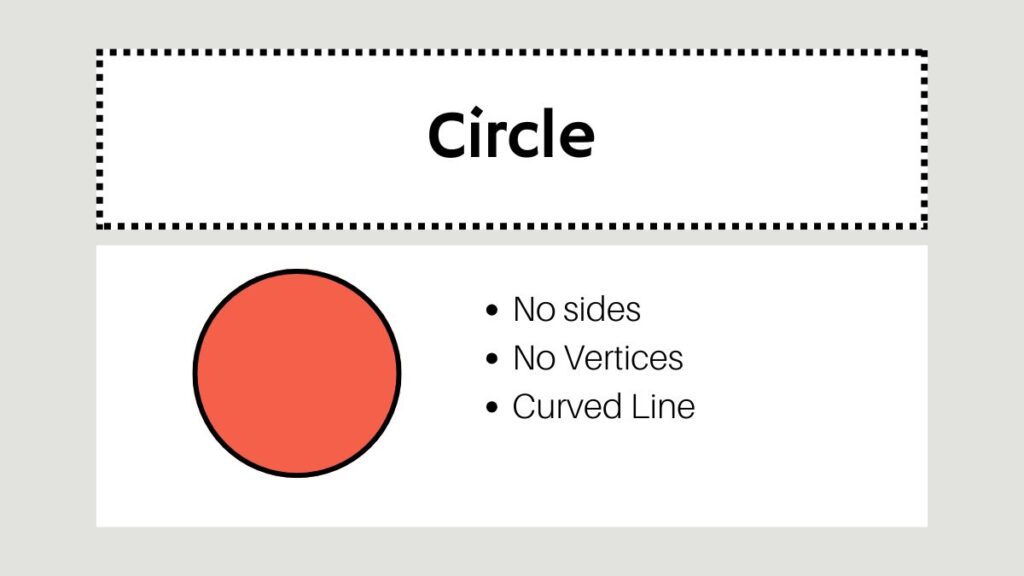
1. Circle – ਗੋਲ (Gol)
A circle is a round 2D shape with no corners or edges. All points on the edge are the same distance from the center. Examples include coins, plates, and wheels.
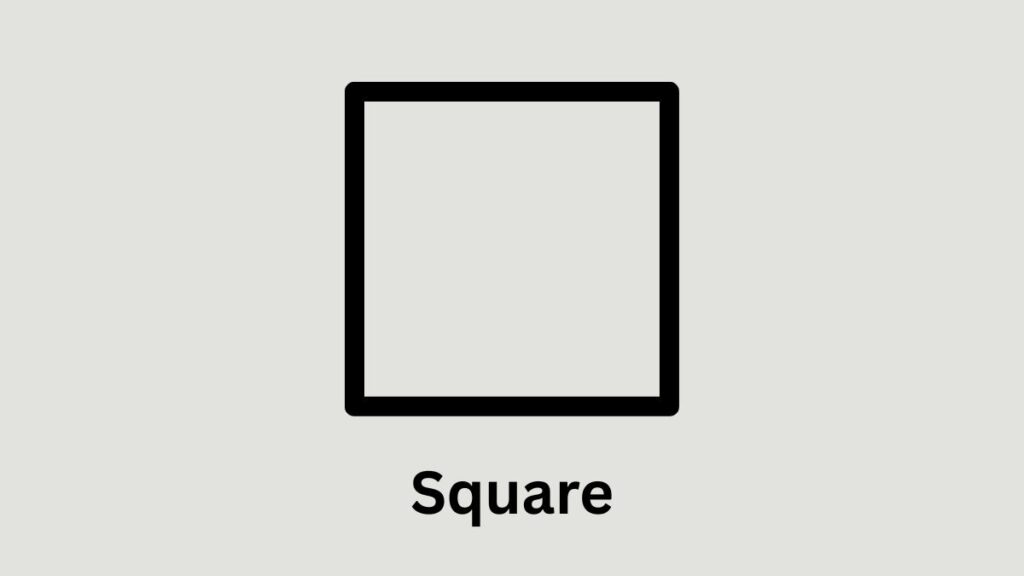
2. Square – ਵਰਗ (Varg)
A square has four equal-length sides and four right angles. It’s a perfect shape, found in tiles, boxes, and dice.
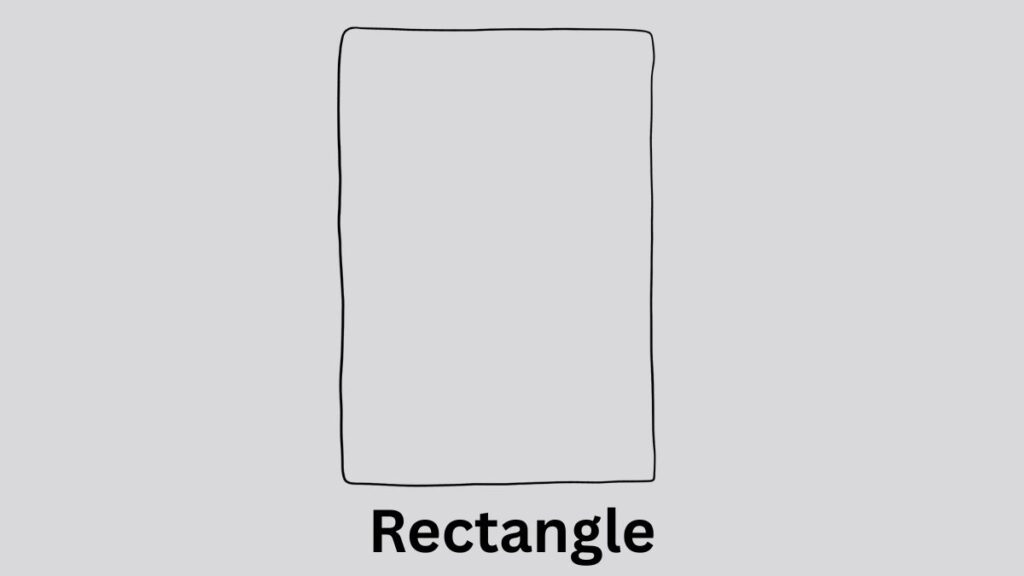
3. Rectangle – ਆਇਤਕਾਰ (Aaitkaar)
Like a square, a rectangle has four sides and four right angles, but opposite sides are equal. It’s used in books, doors, and screens.
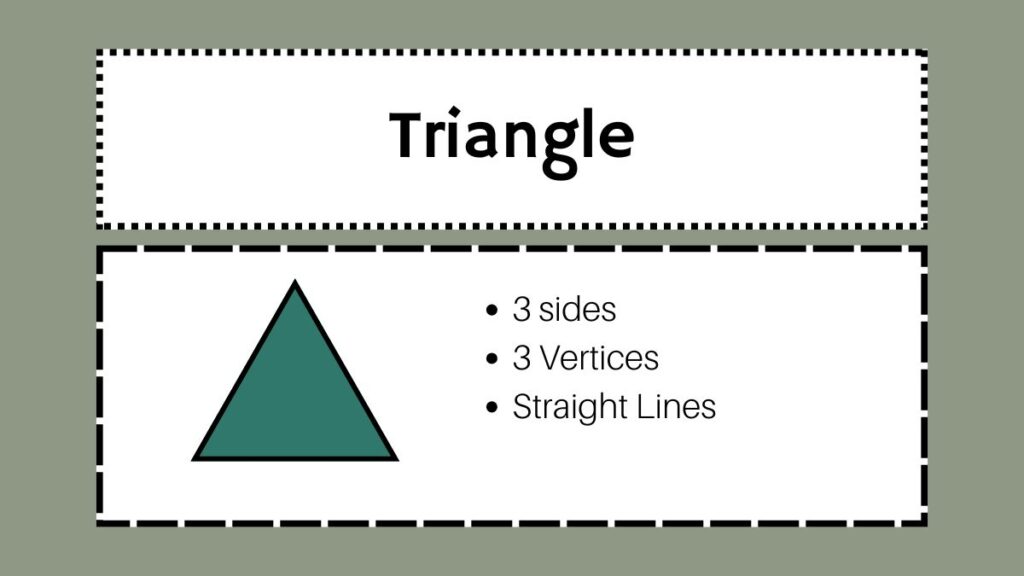
4. Triangle – ਤਿਕੋਣ (Tikon)
A triangle has three sides and three angles. Triangles can be found in road signs and architecture like roof designs.
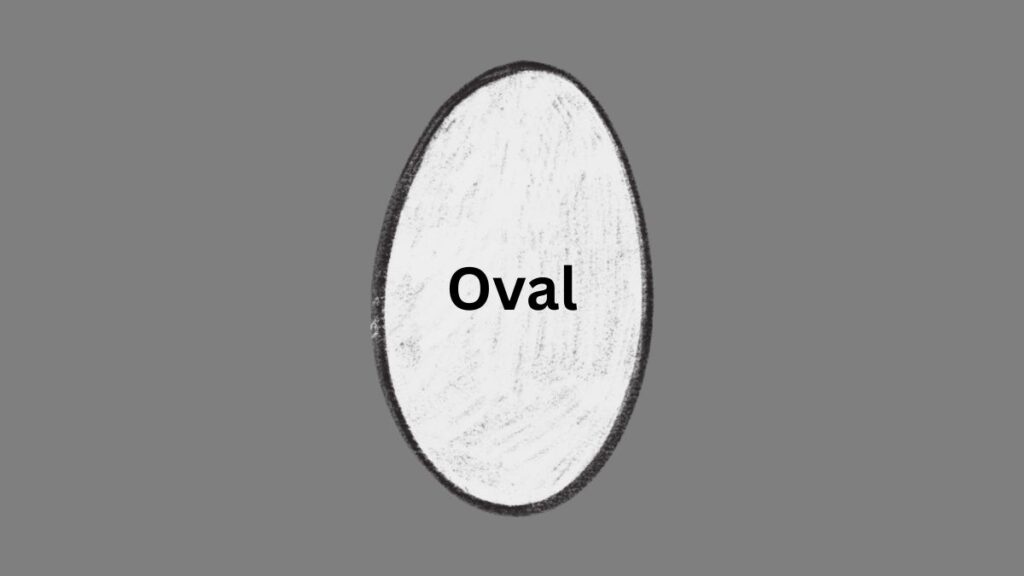
5. Oval – ਅੰਡਾਕਾਰ (Andakaar)
An oval looks like a stretched circle or an egg. You can see ovals in mirrors, racetracks, and even face shapes.
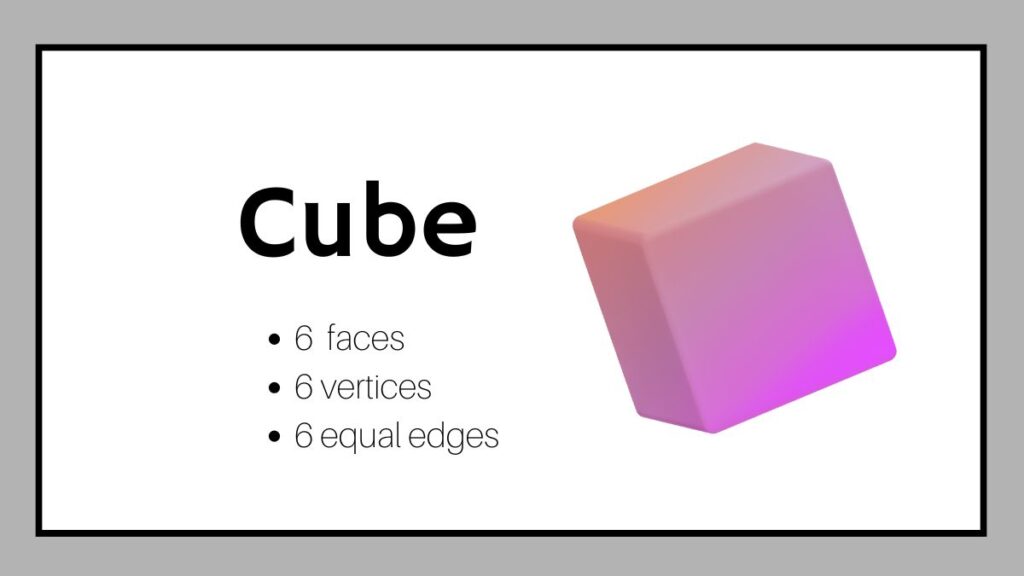
6. Cube – ਘਣ (Ghan)
A cube is a 3D solid with six equal square faces. Boxes, dice, and some building blocks are cubes.
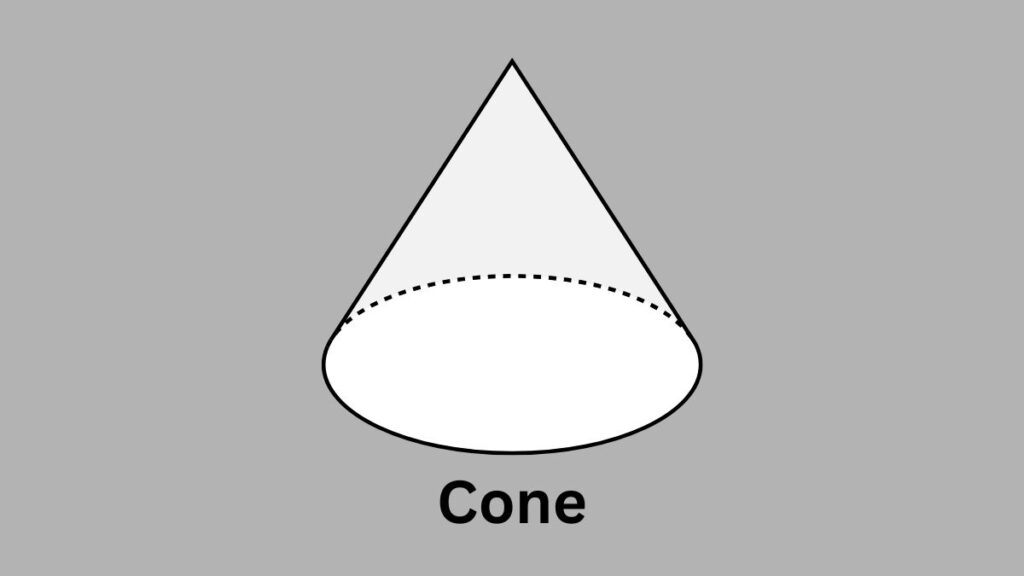
7. Cone – ਸ਼ੰਕੂ (Shanku)
A cone has a circular base and tapers to a point. Ice cream cones and traffic cones are examples of this shape.
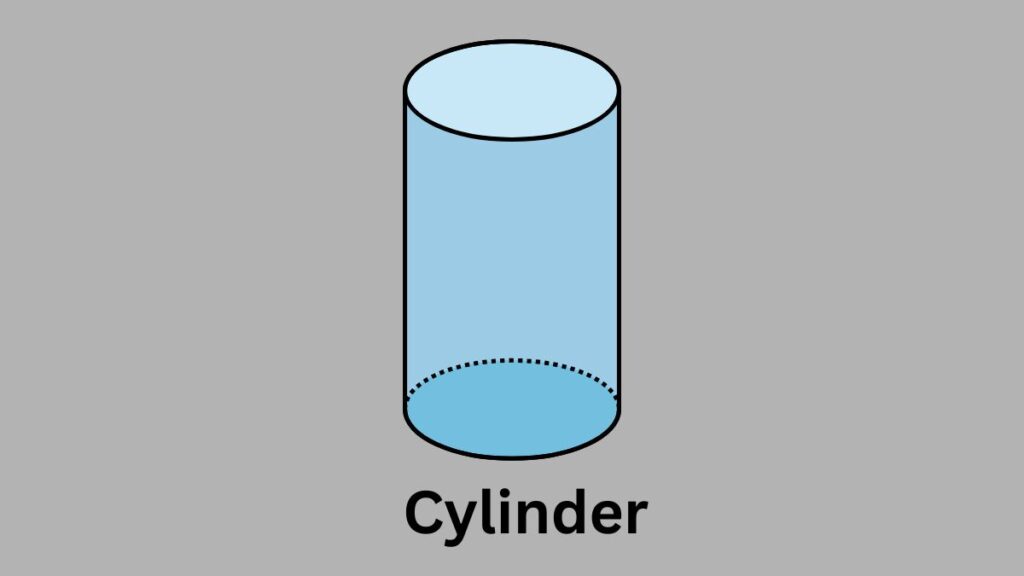
8. Cylinder – ਨਲਾਕਾਰ (Nalkaar)
A cylinder has two equal circular faces and a curved side. It looks like a tube—think of batteries, cans, and water bottles.
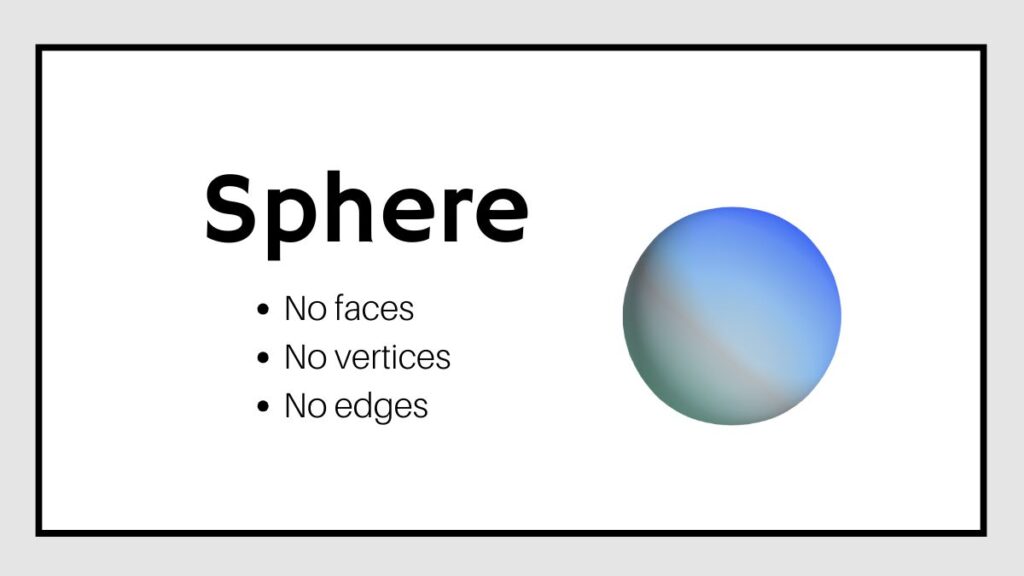
9. Sphere – ਗੋਲੇ ਕਾਰ (Goleykaar)
A sphere is a perfectly round 3D shape. Balls, globes, and bubbles are all spheres.
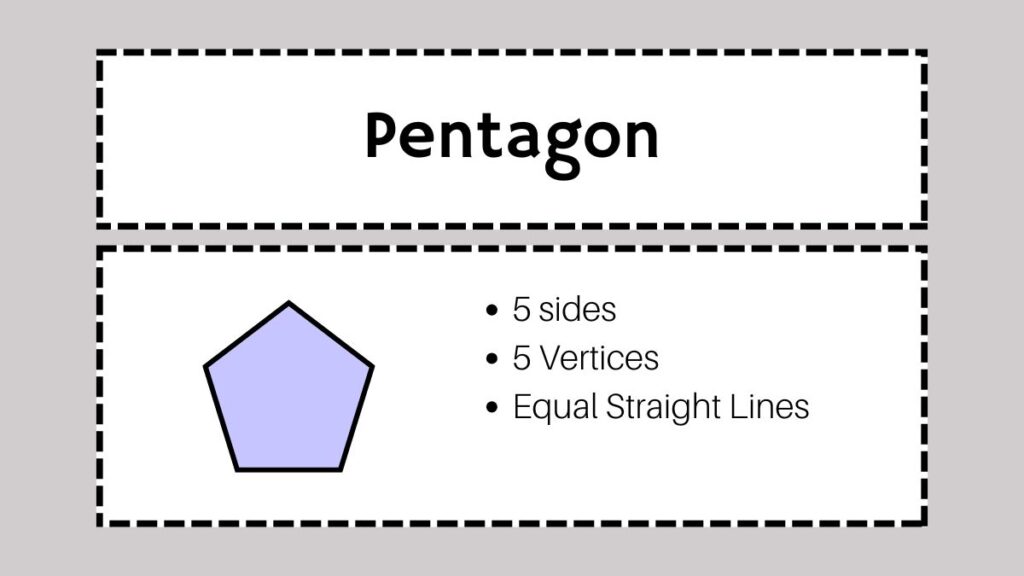
10. Pentagon – ਪੰਜਭੁਜ (Panjbhuj)
This flat shape has five sides and five angles. This shape has five vertices and equal straight lines.
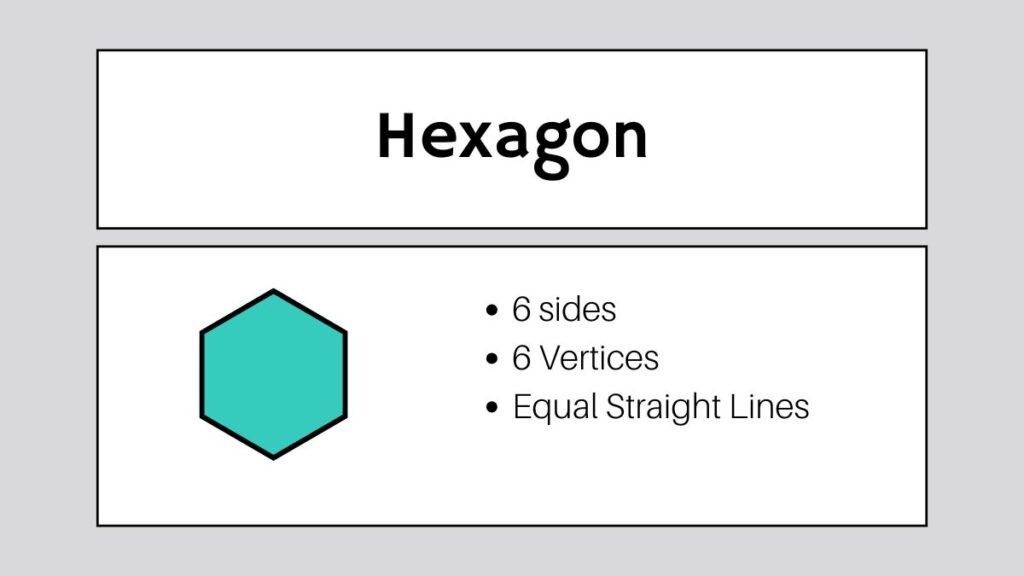
11. Hexagon – ਛੇਭੁਜ (Chhebhuj)
A hexagon has six equal sides. You’ll find hexagon patterns in honeycombs and tile designs.
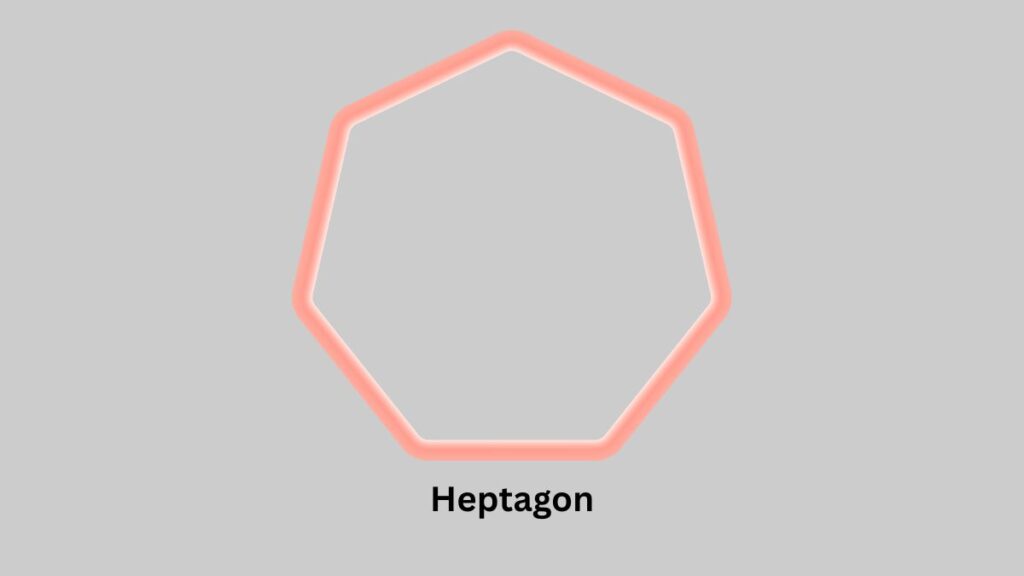
12. Heptagon – ਸੱਤਭੁਜ (Sattbhuj)
This shape has seven sides. Though not common in nature, it’s used in some decorative patterns and art.
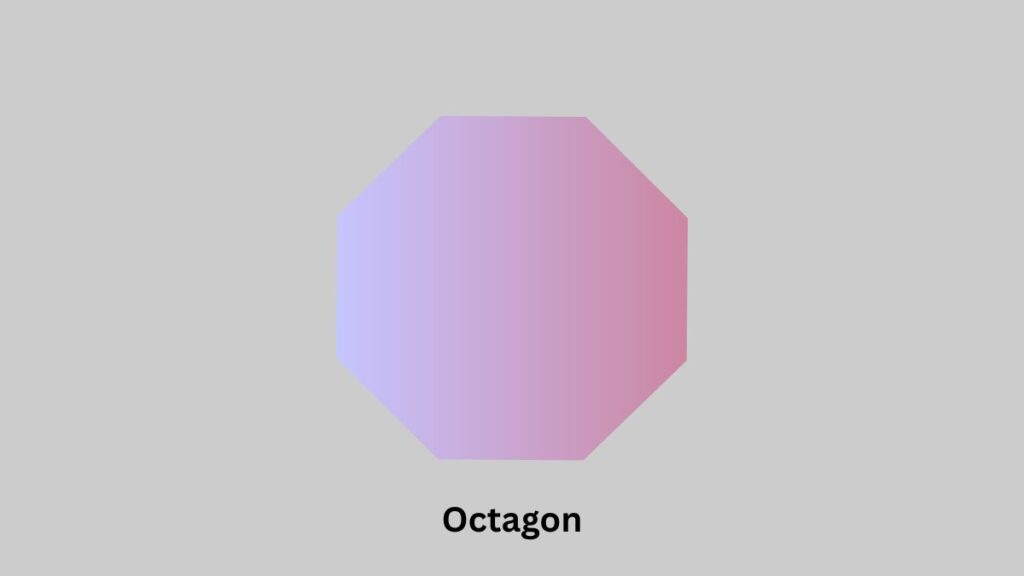
13. Octagon – ਅੱਠਭੁਜ (Athbhuj)
Octagons have eight sides. Stop signs are the most famous example of this shape.
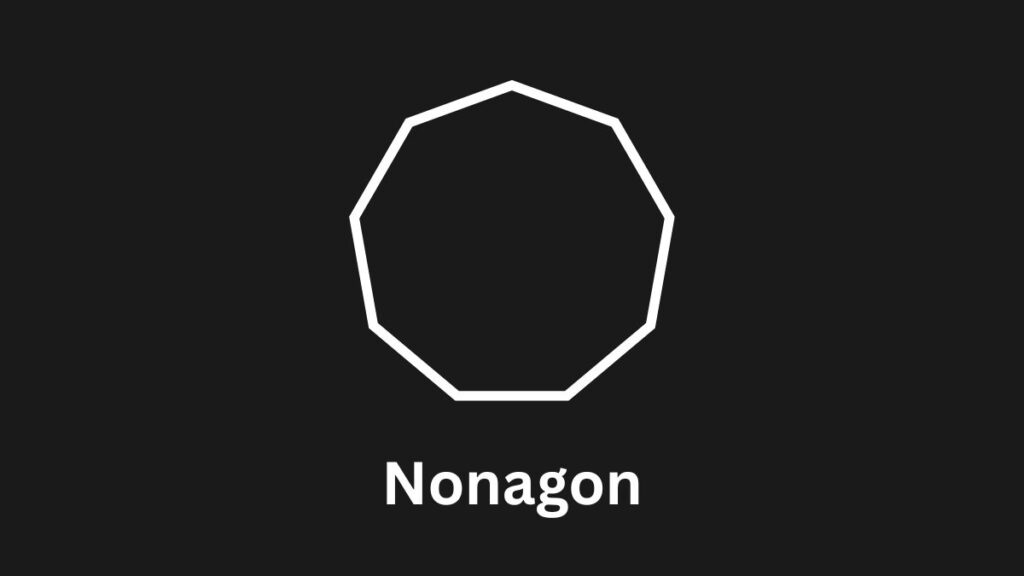
14. Nonagon – ਨੌਭੁਜ (Naubhuj)
A nonagon has nine sides. It’s rarely used in daily life but shows up in advanced geometry.
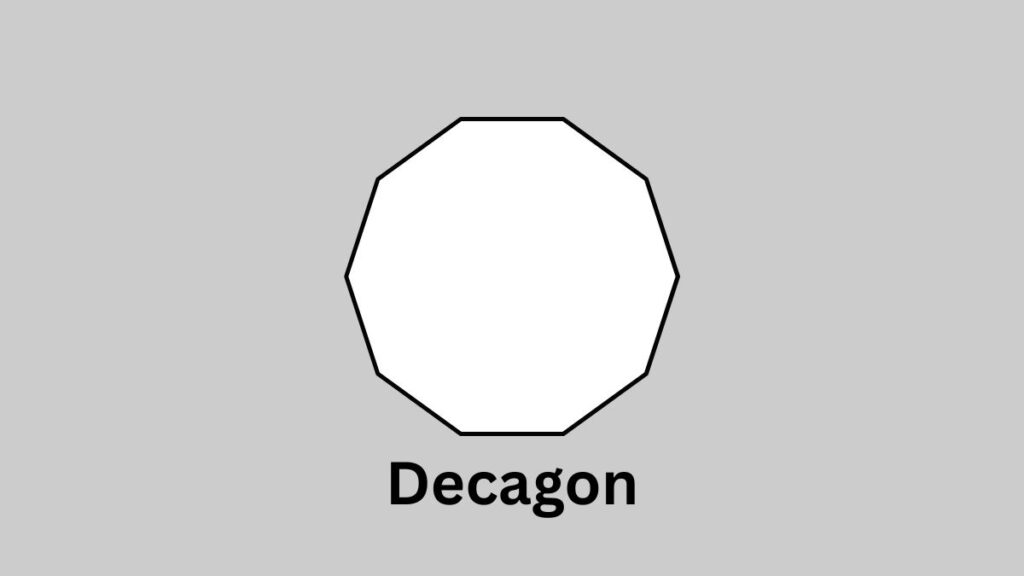
15. Decagon – ਦਸਭੁਜ (Dasbhuj)
A decagon has ten sides. Like the nonagon, it is mostly found in math lessons and design patterns.
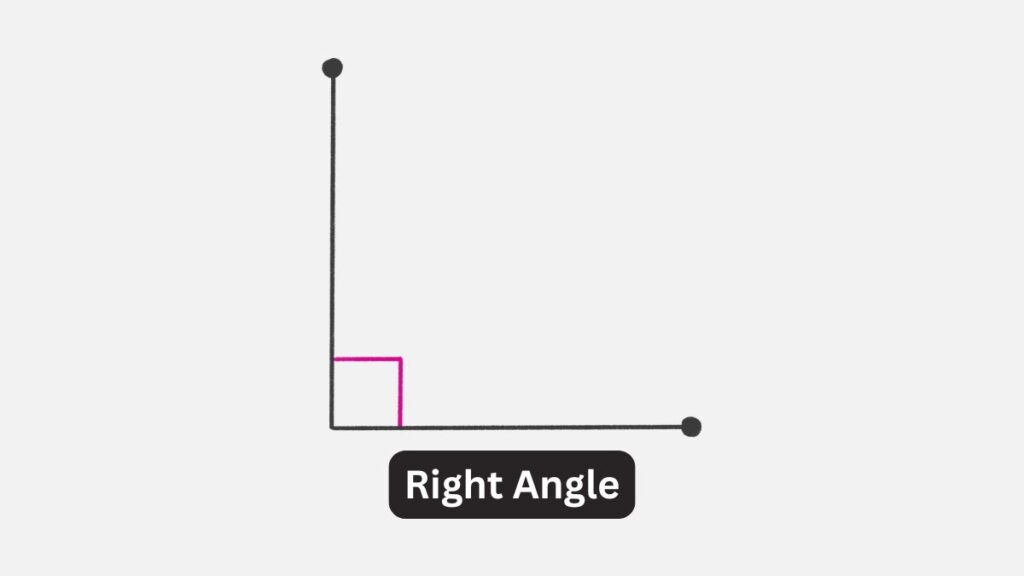
16. Right Angle – ਸਿੱਧਾ ਕੋਣ (Sidha Kon)
This is a 90-degree angle, just like the corner of a paper. It’s the base of most construction and design.
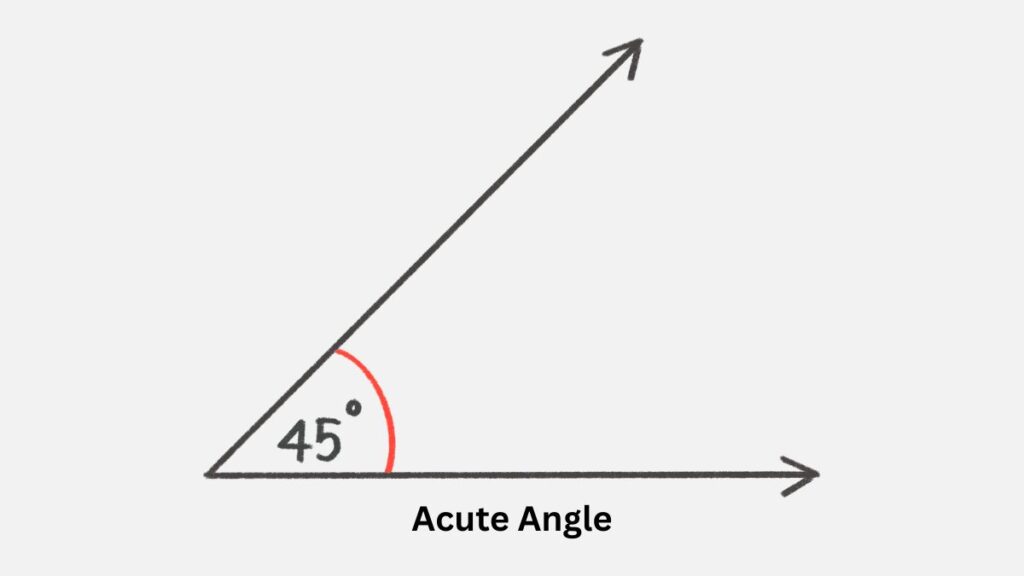
17. Acute Angle – ਤੀਬਰ ਕੋਣ (Teebar Kon)
An acute angle is smaller than 90 degrees. It’s found in sharp corners and arrow shapes.
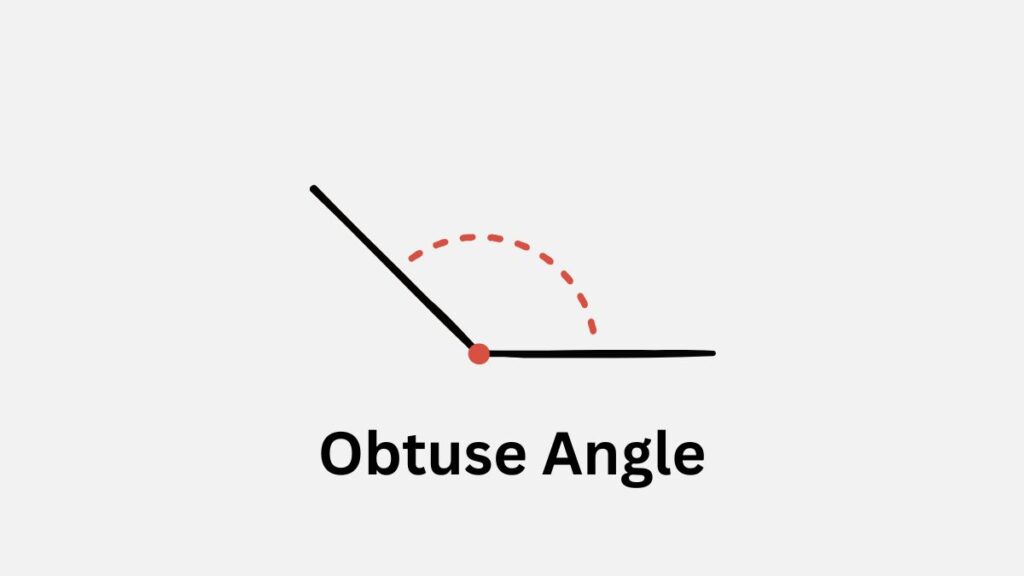
18. Obtuse Angle – ਕੁੰਣ ਕੋਣ (Kunna Kon)
This angle is greater than 90 degrees but less than 180. Think of it as a wide open door.
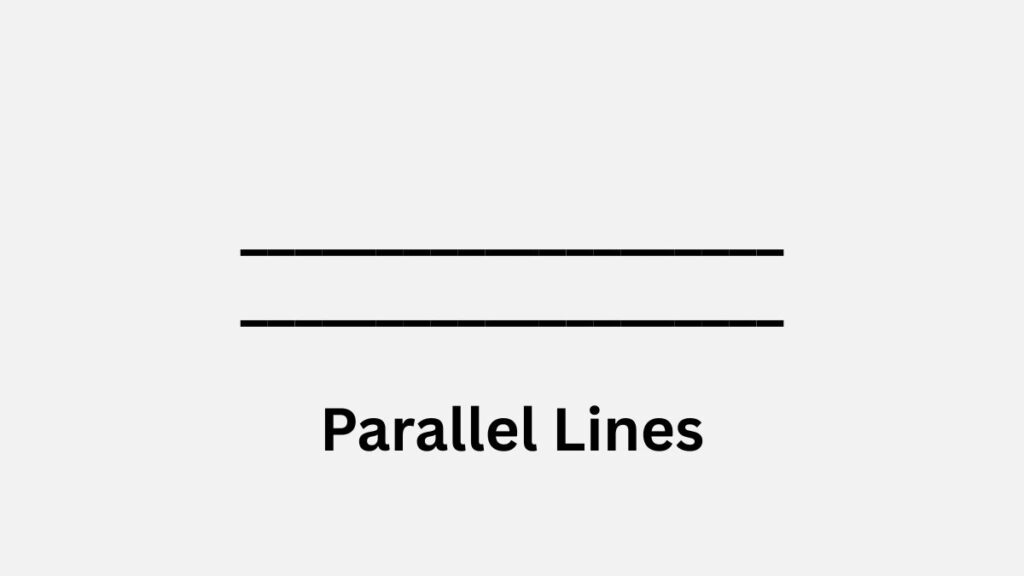
19. Parallel Lines – ਸਮਾਂਤਰ ਰੇਖਾਵਾਂ (Samaantar Rekhavan)
These lines run side by side and never meet. Railway tracks are a good example.
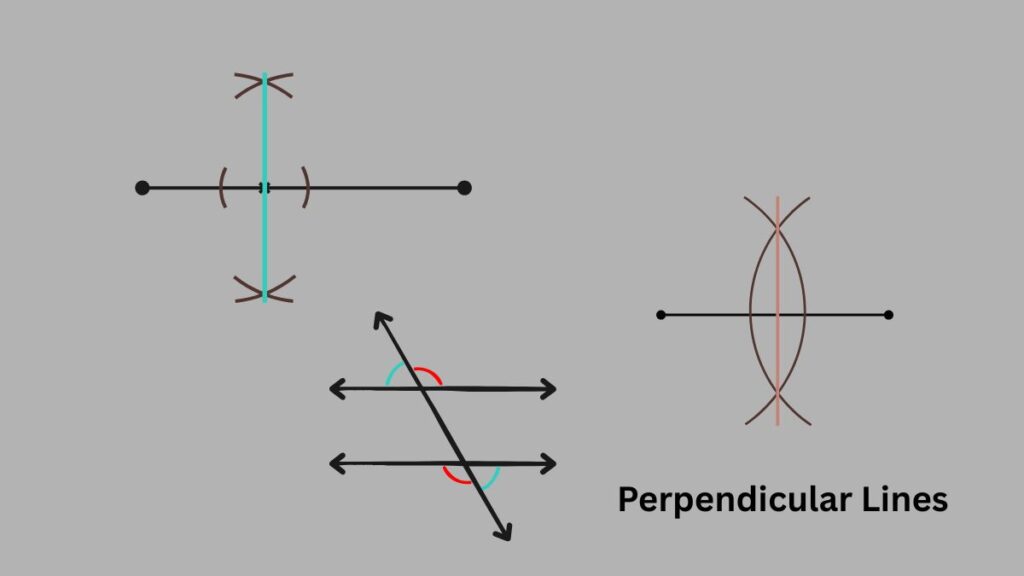
20. Perpendicular Lines – ਲੰਬਕਾਰ ਰੇਖਾਵਾਂ (Lambkaar Rekhavan)
Perpendicular lines meet at a right angle. The corner of a window or door frame shows this concept.
Benefits of Learning Shapes in Two Languages
Better Memory and Focus
Using two languages while learning helps build better memory retention. When children hear and use shape names in both English and Punjabi, they form dual memory links. This makes it easier to recall information later.
For example, when a child learns that a square is called “Varg” in Punjabi, they store that information in two ways—visually and verbally. This builds stronger neural connections in the brain. As a result, they can switch between languages with ease and stay more focused during learning tasks.
Enhanced Communication Skills
Bilingual children often have stronger speaking and listening skills. When students learn to describe shapes like circles and triangles in both English and Punjabi, they become more confident in explaining ideas to teachers, parents, and friends. This helps at school, especially in group activities or presentations.
It also supports conversations at home, especially with family members who prefer speaking Punjabi. Overall, it promotes better understanding, confidence, and the ability to express math-related concepts in multiple settings.
Tips for Remembering Punjabi Shape Names
Flashcards with Pictures
Flashcards are simple yet powerful tools. Make a card with the English word on one side, the Punjabi name on the other, and a picture of the shape in the middle. Use them daily for review. You can even create games like memory match with these cards.
Practice with Drawing and Labeling
Drawing shapes by hand and labeling them in Punjabi reinforces both the visual and linguistic memory. Create worksheets or posters where children can color and write the shape names in Gurmukhi. This hands-on activity supports better retention.
Use in Daily Conversations
Speak about shapes in daily life. For example, say “Let’s draw a ਗੋਲ (Gol)” instead of “circle.” Use Punjabi names while identifying shapes in toys, furniture, or food. Regular use helps the brain get used to the terms naturally.
Fun Activities to Learn Shapes in Punjabi
Shape Hunt at Home or School
This is a fun activity for kids of all ages. Ask children to look for objects shaped like squares, triangles, or circles in their environment. Have them call out the Punjabi name when they find one. This turns learning into a fun treasure hunt.
Matching Games
Use printed shape images and have children match them with their correct Punjabi names. You can make flashcards or use magnetic boards. It makes learning interactive and competitive in a friendly way.
Drawing Shape Stories
Encourage children to draw pictures using only certain shapes—like a house made of rectangles and triangles—and label each shape in Punjabi. It combines creativity with language learning and helps reinforce new vocabulary.
How Teachers and Parents Can Help
Use Visual Aids
Charts with colorful pictures and bilingual labels make classrooms and homes vibrant and educational. Hang posters showing shapes with their names in both English and Punjabi. This serves as a daily reminder and passive learning tool.
Encourage Dual-Language Use
Motivate children to use both languages. Allow them to explain a shape in Punjabi first, then in English—or the other way around. It builds confidence and strengthens both language pathways in the brain.
Final Thoughts
Learning math shapes in Punjabi is more than just about understanding geometry—it’s about making learning easier, fun, and more relatable. When children learn in their home language, they gain confidence, enjoy studying, and connect better with both family and school.
Whether you’re a teacher, parent, or student, using this list of 20 common shapes in Punjabi can open the door to stronger bilingual skills and better learning outcomes. Let’s embrace the beauty of language and math together!
FAQs: Math Shapes in Punjabi
1. Why should kids learn math shapes in Punjabi?
It helps them understand better by connecting math concepts with their home language, which makes learning smoother and easier.
2. Can these shape names be used in school exams?
While school exams are mostly in English, knowing the Punjabi names helps in understanding the concepts more clearly and quickly.
3. How can I help my child learn Math Shapes at home?
Use flashcards, draw shapes together, label objects at home, and talk about shapes in Punjabi during daily tasks.
4. What age is good to start bilingual shape learning?
You can begin as early as preschool—around 3 years old. Young children absorb languages faster and enjoy colorful, hands-on learning.
5. Are these Punjabi shape names standard across all dialects?
Yes, these are commonly accepted terms in Punjabi using the Gurmukhi script. There may be small variations based on region, but the core terms stay the same.
Read More
https://raowal.com/land-measurement-units-in-punjabi/
Harman is a proud native of Raowal. With a deep-rooted connection to the land and its people, we contribute stories, updates, and insights that reflect the true spirit of Raowal. Our website aims to keep people connected to their heritage and village while showcasing the beauty of village life to the wider world. Especially people from the village Raowal who live abroad.